How to Prune Chinese lobelia?
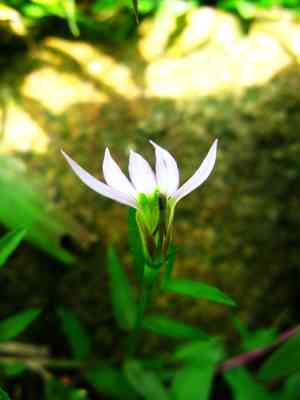
Originating from East Asia, this enduring herbaceous plant flourishes in marshy and humid settings. For chinese lobelia, strategic trimming boosts development and preserves its form. The spring and summer seasons are perfect for pruning, aligning with its inherent growth pattern. Sever withered or frail stalks to stimulate fresh sprouts and enhance air movement. Pinching off the ends can foster a denser appearance. This variety reacts favorably to gentle cutting, which can avert excessive growth and uphold the plant's well-being. Consistent removal of faded blossoms can extend the flowering duration.
What Are the Benefits of Pruning Chinese Lobelia?
What Are the Benefits of Pruning Chinese Lobelia?
Trimming chinese lobelia promotes robust development and helps maintain its form, ensuring a tidy and orderly look. It also enhances air circulation and light penetration, which contributes to the plant's well-being.
What Is the Best Time for Pruning Chinese Lobelia?
What Is the Best Time for Pruning Chinese Lobelia?
Pruning in Spring is optimal for chinese lobelia as it marks the start of its active growth phase, allowing for rapid recovery and new shoot development. Early Summer pruning occurs just after the initial bloom, encouraging a second wave of flowers and helping to preserve the plant's shape and vitality. This period also ensures the absence of frost, reducing plant stress. These seasons provide ample time for the plant to establish new growth before colder weather arrives.
What Tools Do I Need to Prune Chinese Lobelia?
Hand Pruners
Perfect for accurate cuts on chinese lobelia, minimizing harm to its delicate stems.
Pruning Shears
Ideal for trimming and shaping chinese lobelia due to their ease of use and ability to make clean cuts on slender stems.
Gardening Scissors
Useful for deadheading chinese lobelia and removing faded flowers, encouraging new growth and maintaining plant health.
Pruning Snips
Preferred for detailed work on chinese lobelia, enabling careful thinning and removal of excess growth without disturbing surrounding foliage.
How to Prune Chinese Lobelia
Sanitize
Before beginning to prune chinese lobelia, thoroughly clean and disinfect your pruning tools. This helps prevent the spread of disease.
Identify
Examine chinese lobelia carefully to locate diseased leaves, withered leaves, and diseased stems that require removal.
Remove Diseased Leaves
Using your sanitized pruning tools, carefully trim off the diseased leaves from chinese lobelia, cutting at the base of the leaf stalk to avoid damaging healthy tissue.
Remove Withered Leaves
Next, remove any withered leaves from chinese lobelia, which may also be trimmed back to the leaf base, to promote healthier growth and improve air circulation.
Cut Diseased Stems
Finally, prune away the diseased stems of chinese lobelia. Make clean cuts at an angle just above a healthy leaf node or a branching point to facilitate healing and new growth.
Common Pruning Mistakes with Chinese Lobelia
Overpruning
Removing too much foliage in one session can stress chinese lobelia, hindering its ability to photosynthesize and grow properly.
Improper Cut Placement
Cutting too close to the main stems could damage chinese lobelia's vital tissues, whereas cutting too far can result in unsightly stubs that may invite pests or diseases.
Utilizing Dull Tools
Using dull or unclean pruning shears can cause jagged cuts that are more susceptible to infections.
Neglecting Plant Form
Overlooking chinese lobelia's natural shape during pruning can result in a less aesthetically pleasing plant and potentially impede its growth.
Pruning Healthy Tissue
Accidentally cutting away healthy tissue instead of just the dead or diseased parts can reduce chinese lobelia's vigor and flowering potential.
Common Pruning Tips for Chinese Lobelia
Clean Tools
Ensure pruning shears are clean and sharp to make precise cuts that will heal quickly, minimizing stress on chinese lobelia.
Selective Pruning
Pinch back or cut only the areas that are overgrown, dead, or diseased to maintain chinese lobelia's health and shape without compromising the plant's overall structure.
Follow Natural Growth
Observe and follow chinese lobelia's natural growth pattern when pruning, to encourage a healthier, more attractive plant.
Regular Maintenance
Regularly remove any dead or yellowing leaves and spent flowers to stimulate chinese lobelia to produce more blooms.
Thin Out Densely Grown Areas
Thin out areas where the growth is too dense to allow light and air to penetrate the plant, which can help prevent disease in chinese lobelia.



