How to Propagate Chinese lobelia?
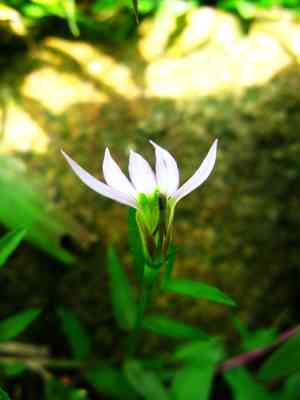
Lobelia chinensis flourishes when its seeds are planted in soil that drains effectively, leading to a high probability of successful cultivation. Sprouting is most effective in conditions that are both warm and humid, which assists in the production of sturdy young plants. After the seeds emerge, diligent care is necessary to guarantee they obtain sufficient light and moisture. Carefully relocate the young plants to avoid stress, enabling them to acclimate to their new surroundings and mature into strong specimens.
Optimal Time for Chinese Lobelia Propagation
Propagation Method
Seeding
Propagation Period
Spring
Equipment for Chinese Lobelia Propagation
Seed trays or flats
These are shallow, broad containers utilized for initiating seed germination. They are particularly beneficial for chinese lobelia as they facilitate uniform seed distribution and maintain appropriate moisture levels around the seeds, promoting consistent sprouting.
Fine potting mix or seed-starting mix
This medium offers a sterile, nutritionally balanced environment perfect for chinese lobelia seeds. It prevents disease problems and supports the delicate roots of seedlings with its fine, light texture, which improves water retention and aeration.
Spray bottle or misting system
Used to gently irrigate chinese lobelia seeds without disturbing them. A fine mist delivers the necessary hydration without causing soil erosion or seed displacement, which is crucial for delicate seeds like those of chinese lobelia.
Plastic cover or humidity dome
Placing a cover over seed trays helps create a microenvironment with high humidity and stable temperatures, essential for chinese lobelia seed germination. This tool ensures seeds do not dry out and boosts germination rates.
Labeling materials (markers and tags)
These are crucial for identifying chinese lobelia trays and noting important dates such as planting and anticipated germination. Labels aid in tracking progress and maintaining accurate records for future reference.
Lighting system (optional)
If chinese lobelia is propagated indoors or in low-light conditions, artificial grow lights can supply the necessary light spectrum for seedling development. This ensures robust growth in the absence of sufficient natural sunlight.
How to Propagate Chinese Lobelia?
Propagation Type
Simple
Caring for Your Newly Propagated Chinese Lobelia
Caring for Your Newly Propagated Chinese Lobelia?
After propagation, it's essential to maintain the health and vigor of chinese lobelia with consistent watering, ensuring the soil stays moist but not waterlogged. Position young plants in partial shade to avoid direct sunlight that can cause stress. Gradually acclimate the plants by exposing them to longer periods outdoors before full-time outdoor placement. Apply a balanced fertilizer monthly during the growing season to support health and growth. Monitor for common pests and diseases, treating as needed to maintain plant health.
Common Errors to Avoid When Propagating Chinese Lobelia
Overwatering
When propagating chinese lobelia, a frequent error is providing too much water. This can lead to waterlogged soil conditions, which are harmful as they can cause root rot and fungal growth. This negatively impacts the plant's overall health and reduces the chances of successful propagation.
Deep planting
Gardeners often mistakenly plant chinese lobelia cuttings or seeds too deeply. This species requires light for optimal germination and root initiation, and deep planting can hinder access to sufficient light, limiting growth and reducing germination rates.
Ignoring soil composition
Using unsuitable soil types when propagating chinese lobelia is a common mistake. An inappropriate soil mix, especially one that drains poorly, can adversely affect root health and impede plant growth.
Neglecting humidity
Failing to maintain a high humidity environment during the initial propagation stages is another common oversight. Chinese lobelia thrives in humid conditions, and insufficient humidity can lead to desiccation of cuttings before they establish.
Tips For Propagating Chinese Lobelia
Light, well-draining soil
Utilize a light, well-draining soil mix for propagating chinese lobelia. This ensures that the roots have ample air circulation and are not sitting in excessively moist conditions, which can prevent issues like root rot.
Shallow planting
Plant seeds or position cuttings of chinese lobelia superficially to ensure they receive adequate light. This enhances germination and rooting rates, crucial for successful propagation.
Maintain moisture but avoid waterlogging
Keep the soil consistently moist but not waterlogged. Using a spray bottle to mist chinese lobelia cuttings can help maintain ideal moisture levels without saturating the soil.
Use of rooting hormones
Applying a rooting hormone to chinese lobelia cuttings can significantly boost rooting success. This encourages quicker root development, contributing to a higher success rate in propagation.
Provide humidity
Creating a humid environment can be very beneficial for chinese lobelia, especially when propagating via cuttings. Covering cuttings with a plastic bag or placing them in a humidity dome can help maintain the necessary moisture levels around the plant.



