How to Transplant Austrian flax?
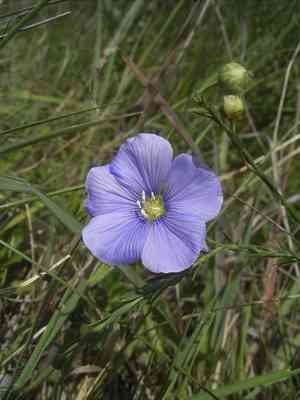
The ideal period for moving austrian flax is from the beginning of spring's renewal through its peak in mid-spring. Select a location that receives ample sunlight and possesses soil that drains effectively to encourage vigorous development. During the transplanting process, gently manage the root system to guarantee proper integration.
What Preparations are Needed Before Transplanting Austrian Flax?
What is the Ideal Time for Transplanting Austrian Flax?
The best period for relocating austrian flax is after the last frost but before intense summer heat. Moving austrian flax during this window takes advantage of increasing daylight and mild temperatures, which support strong root development without extreme heat stress. This timing allows austrian flax to adapt smoothly to its new spot, benefiting from the moist, spring soil that encourages growth. By selecting this optimal moment, you boost austrian flax's prospects for a thriving season.
How Much Space Should You Leave Between Austrian Flax Plants?
Greetings, gardener! When getting ready to move your lovely austrian flax, aim to provide each plant ample room to thrive. This means about 15-18 inches (38-45 cm) between individual plants. This spacing will enable austrian flax to grow robustly and healthily, without competing for nutrients or sunlight.
What is the Best Soil Mix for Austrian Flax Transplanting?
Prior to transplanting austrian flax, prepare a comfortable bed with soil that drains well. It will flourish in a mix rich in organic material, so consider adding compost! A balanced, slow-release fertilizer will give austrian flax an excellent start. Just apply according to package directionsâdon't overdo it!
Where Should You Relocate Your Austrian Flax?
Select a sunny spot in your garden for austrian flax, as it thrives with ample daylight. Aim for a location that receives full sun to partial shade. Austrian flax will be happiest soaking in at least 6 hours of sunlight daily, fueling its growth and blooms.
What Equipments Should You Prepare Before Transplantation Austrian Flax?
Gardening Gloves
To safeguard your hands while handling soil and plants.
Shovel or Spade
For digging around and beneath the plant to extract it from its current spot.
Watering Can or Hose
For pre-moistening the plant before removal and hydrating it after moving to the new location.
Garden Fork
For loosening the soil around the roots during extraction from the ground or a container.
Trowel
For making adjustments when placing into the new location.
Wheelbarrow or Garden Cart
For moving the austrian flax if it is large or if multiple plants are being relocated.
Pruning Shears
For trimming any damaged roots or excess foliage prior to transplanting.
Measuring Tape
Ensuring correct spacing between newly transplanted plants.
How Do You Remove Austrian Flax from the Soil?
How Do You Remove Austrian Flax from the Soil?
From Ground: Water the austrian flax to moisten the soil, making the root ball easier to extract. With a shovel or spade, dig a wide circle around the plant, being generous to protect the root system. Using a garden fork, gently loosen the soil underneath and carefully lift the root ball.From Pot: Water the austrian flax and allow it to drain to facilitate the plant's release. Tilt the pot sideways and gently tap the bottom to loosen the plant. Pull the plant out by holding the base of the stems, not the leaves, to prevent harm.From Seedling Tray: Lightly water the seedlings to minimize root disturbance. Use a trowel or your hand to gently pop each plant out of its individual cell. Handle the plant by its root ball to avoid damaging the delicate stems and foliage.
Step-by-Step Guide for Transplanting Austrian Flax
Prepare New Location
Prepare the new planting hole before you extract the austrian flax, ensuring it is wide enough to accommodate the root ball without crowding.
Remove Plant
Follow the 'removal process' detailed above based on whether the austrian flax is coming from the ground, a pot, or a seedling tray.
Inspect and Prune Roots
Once the austrian flax is out, examine the roots and trim any that are damaged or dead with pruning shears to encourage healthy growth.
Transplant Carefully
Place the austrian flax into the new hole, positioning it at the same depth it was in its previous spot. Refill the hole with soil and gently firm it down without compacting.
Water Thoroughly
After planting, water the austrian flax deeply to settle the soil around the roots and help eliminate any air pockets.
How Do You Care For Austrian Flax After Transplanting?
Regular Watering
Maintain consistent moisture in the soil around the austrian flax, ensuring steady water to establish.
Mulching
Apply mulch around the base to help retain moisture and regulate soil temperature.
Monitoring for Pests
Watch for any signs of pests or disease and treat promptly to avoid stress on the newly transplanted austrian flax.
Support Structures
If the austrian flax requires it, install any necessary stakes or trellises soon after transplanting to avoid disturbing the roots later on.
Troubleshooting Common Issues with Austrian Flax Transplantation.
When's the best time of year to transplant austrian flax?
The ideal transplanting period is from early spring's thaw to mid-spring's gentle warmth.
How far apart should I space austrian flax when transplanting?
Allow austrian flax ample room to thrive by spacing them approximately 15-18 inches (38-45 cm) apart.
What soil conditions favor austrian flax after transplanting?
Ensure well-draining soil with a neutral to slightly alkaline pH for optimal results.
How do I properly water austrian flax post-transplant?
Keep the soil consistently moist, but prevent waterlogging to encourage healthy root development.
Why are my transplanted austrian flax's leaves wilting?
Wilting may indicate shock or improper watering. Maintain soil moisture and provide shade if necessary.
Should I fertilize austrian flax after transplanting?
Wait a few weeks before adding a balanced fertilizer to allow austrian flax roots to establish first.
How deep should I plant austrian flax's root ball?
The top of the root ball should be level with the surrounding soil to promote growth.
Can I transplant austrian flax on a hot, sunny day?
Avoid transplanting in direct heat. Choose a cool, overcast day to reduce transplant stress.
How do I prepare the austrian flax's new location?
Improve the area with organic matter and ensure good drainage before transplanting.
What should I do if austrian flax shows no growth after transplant?
Be patient, as austrian flax may be undergoing root establishment. If there's no progress, check root health.



