How to Prune Austrian flax?
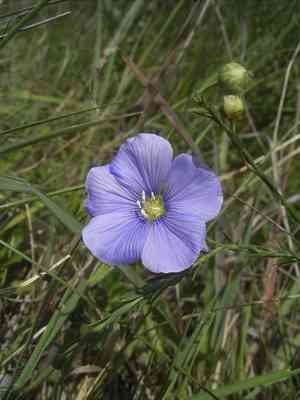
Given the delicate stalks and fine foliage of austrian flax, a gentle trim following its flowering period will encourage a more compact form. Undertaking this pruning in the latter part of spring or early summer aids in its revitalization. Eliminating faded blossoms helps sustain its aesthetic appeal and directs its energy more efficiently. Excise any lifeless or frail stems to preserve the plant's well-being, always using precise, sharp cuts. The advantages of pruning encompass better air circulation, protection against ailments, and heightened vitality for austrian flax.
What Are the Benefits of Pruning Austrian Flax?
What Are the Benefits of Pruning Austrian Flax?
Trimming austrian flax encourages robust development and helps maintain a desired form, resulting in a healthier and more visually appealing plant.
What Is the Best Time for Pruning Austrian Flax?
What Is the Best Time for Pruning Austrian Flax?
Pruning in the Spring allows austrian flax to direct its energy towards new growth, as the plant emerges from dormancy and begins its active development phase. It is also simpler to discern the branch structure of austrian flax without leaves, aiding in more strategic cuts. Early Summer trimming benefits austrian flax because it has already formed buds for the following year's flowers; pruning at this time promotes healthier blooms and denser foliage. Furthermore, cutting back in early Summer helps prevent diseases and pests that are more common later in the season. Both periods offer austrian flax the chance to recover and reduce stress before entering the next dormant phase.
What Tools Do I Need to Prune Austrian Flax?
Bypass Pruners
Perfect for making clean cuts on austrian flax's slender stems without causing unnecessary harm to the plant's framework.
Snips or Micro-Tip Pruning Snips
These are ideal for removing spent flowers or clipping off small, delicate stems and faded blooms on austrian flax without disturbing the surrounding foliage.
Garden Scissors
Useful for shaping austrian flax or trimming small clusters of foliage, providing precision for maintaining the desired plant form.
How to Prune Austrian Flax
Sanitize
Before beginning the trimming process, thoroughly clean and disinfect all pruning implements. This prevents the spread of diseases and pests to austrian flax.
Diseased leaves
Carefully inspect austrian flax for any indications of diseased foliage. Using sharp pruning shears, snip off the infected leaves at their base, avoiding any healthy tissue to prevent the spread of illness.
Withered leaves
Identify shriveled or dead leaves on austrian flax. Gently trim these leaves at the base to encourage new growth and maintain a healthy appearance. Dispose of these leaves properly to prevent fungal development.
Diseased stems
Examine the stems of austrian flax for disease. If any stems are diseased, make clean cuts to remove them. Cut well below the affected area, into healthy tissue, to ensure complete removal of diseased sections.
Overall shape
After removing diseased and withered parts, step back to assess the overall form of austrian flax. Lightly trim any additional areas to maintain the plant's natural shape, being careful not to over-prune as this can stress the plant.
Common Pruning Mistakes with Austrian Flax
Overpruning
Removing too much foliage from austrian flax at once can weaken the plant. It is crucial to limit trimming to dead or damaged growth to avoid stressing the plant.
Improper cuts
Austrian flax should be trimmed with clean, sharp tools. Jagged or torn cuts can make the plant susceptible to disease and pests.
Neglecting tools
Not disinfecting pruning tools between cuts, especially when moving from an infected or diseased plant to a healthy one, can spread disease to austrian flax.
Ignoring plant shape
Austrian flax has a natural growth habit that should be considered when trimming. Random or excessive cutting without regard to shape can lead to a less aesthetically pleasing form.
Pruning too late
While timing is excluded, it's still a common error to trim austrian flax when it's not optimal, potentially affecting its vigor and bloom.
Removing too little
Being overly cautious and not trimming enough can result in austrian flax becoming leggy or not rejuvenating as desired.
Common Pruning Tips for Austrian Flax
Sharp tools
Use sharp, clean pruning shears to ensure precise cuts that heal quickly and minimize stress to austrian flax.
Disinfection
Before trimming austrian flax, disinfect tools to prevent the spread of disease. A solution of bleach or alcohol can be used for sanitization.
Dead and damaged
Focus on removing dead, damaged, or diseased stems from austrian flax to promote healthier growth and prevent infection.
Aesthetic shaping
While trimming austrian flax, aim to maintain its natural shape. Trim lightly to encourage a bushier habit without altering its inherent structure.
Rejuvenation
If austrian flax appears overgrown, consider periodic rejuvenation trimming to reinvigorate growth, but avoid severe cutting back.
Healthy growth
Trim austrian flax to encourage air circulation and sunlight penetration, which are vital for preventing disease and supporting vigorous growth and flowering.



