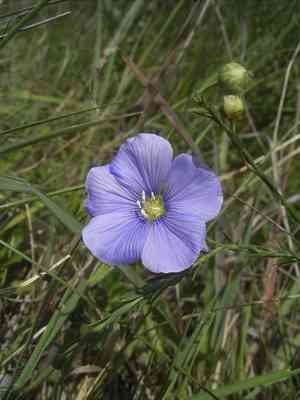
Austrian flax (Linum austriacum)
Also known as: Austrian Flax, Blue Flax
Austrian flax, known for its charming blue flowers that bloom in summer, can be propagated by taking cuttings. The ideal time for this is in the fall, after the flowering season has concluded.
In This Article
Attributes of Austrian flax
Lifespan
Perennial
Plant Type
Herb
Plant Height
30 cm to 90 cm
Spread
20-30 cm
Leaf Color
Green
Flower Size
2-3 cm
Flower Color
Purple Blue
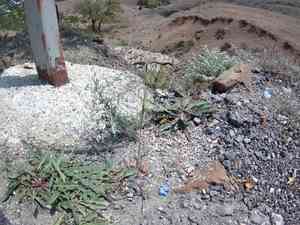
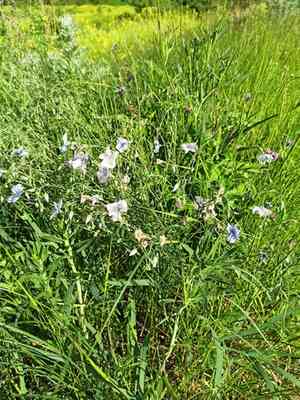
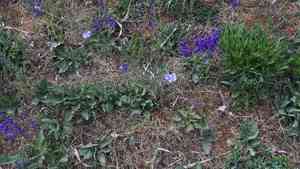
Images of Austrian flax
Quickly Identify Austrian flax
1
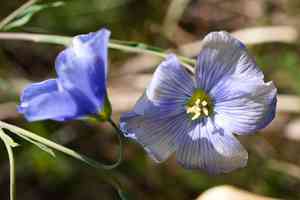
This plant can be identified by its slender, upright stems, narrow leaves, and sky-blue flowers with five petals. The flowers are typically about 2-3 cm in diameter.
Scientific Classification of Austrian flax
Phylum
Vascular plants
Class
Dicotyledons
Order
Malpighiales
Family
Flax
Genus
Flaxes
Species
Austrian flax
Planting and Growing of Austrian flax
Care Difficulty
Easy
Watering Schedule
Every 6 days
Sunlight Requirements
Full sun
Sunshine Duration
6-10 hours
Ideal Temperature
60-75℉
Soil Type
Potting Mix, Peat Mix
Soil pH
6.5-7.5
Fertilizer Type
Balanced
Pruning Season
Spring, Summer
Pruning Area
Branches, Leaves
Pruning Frequency
2 times a year
Repotting Season
Spring
Pot Type
Plastic, Ceramic
 How to Water Austrian flax?
Linum austriacum prefers its soil to be evenly moist, without being waterlogged. When watering, aim for about 200ml each time, ensuring the water permeates the soil but does not pool on the surface. The key is to water deeply enough to reach the root zone, allowing the top inch of soil to dry slightly between waterings.
What are the symptoms of an underwatered Austrian flax?
›
What should I do if my Austrian flax is not getting enough water?
›
What are the symptoms of an overwatered Austrian flax?
›
How to save an overwatered Austrian flax?
›
 What Are the Sunlight Requirements for Austrian flax?
Linum austriacum excels in full sun, receiving at least 6 to 8 hours of direct sunlight per day. This ideal light range supports its photosynthesis, boosting flower production and overall vitality.
How does full sun benefit Linum austriacum?
›
What measures can ensure ideal lighting conditions?
›
How to measure the effectiveness of lighting conditions?
›
 What Is the Ideal Temperature Range for Austrian flax?
For the successful cultivation of Linum austriacum, maintaining an ideal temperature range between 60 and 75°F is crucial. This range supports optimal growth conditions by providing a balanced climate that mirrors the plant's natural habitat. In this environment, the plant can efficiently photosynthesize, leading to robust growth and the development of healthy foliage and flowers.
 What Soil is Best for Austrian flax?
Linum austriacum prefers soil that can retain a moderate level of moisture without becoming waterlogged. Adequate moisture ensures that the plant receives a steady supply of nutrients, promoting vibrant growth and a lush appearance. This plant thrives in soils rich in nutrients. Loamy soil, being nutrient-rich, provides ample nutrients crucial for the plant's robust growth and vivid flowering, ensuring a healthy life cycle. Good drainage is essential for Linum austriacum to prevent root rot. Fast-draining soils like sandy loam balance moisture retention and drainage, allowing roots to breathe and reducing disease risks.
 How to Fertilize Austrian flax?
For Linum austriacum, a balanced fertilizer with a formulation like 10-10-10 is ideal. Use approximately half a tablespoon per gallon of water for liquid feeding. For solid fertilizers, about 3 tablespoons per square meter is adequate, depending on soil fertility and plant size.
 How to Prune Austrian flax?
Begin by inspecting the plant for dead, damaged, or diseased stems. Cut these back to where you see healthy tissue. Trim the plant down to about a third of its height to allow sunlight to reach the interior, encouraging balanced growth. Make sure to remove any crossing branches to prevent rubbing damage. After pruning, water the plant adequately to help it recover. Applying a slow-release fertilizer aids in revitalizing Linum austriacum, promoting a robust regrowth phase.
More About Pruning Techniques→
 How to Propagate Austrian flax plant?
1
Use a well-draining potting mix for sowing seeds or placing cuttings. Mix perlite or sand with regular potting soil to improve aeration and drainage, crucial for preventing root rot and promoting healthy root development.
2
Scatter the seeds evenly onto the surface of the damp soil. Lightly press them into the soil but avoid covering them too deeply, as Linum austriacum requires light for germination. Maintain consistent moisture during this stage.
3
Select healthy, non-flowering stems and cut 4-6 inch sections. Remove the leaves from the lower half to reduce moisture loss, then dip the cut end in rooting hormone to enhance root formation.
 How to Repot Austrian flax plant?
1
Linum austriacum should be repotted when you notice roots emerging from the drainage holes, the soil dries out too quickly, or plant growth seems stunted. These signs indicate that the plant has outgrown its current pot and needs more space and nutrients for healthy growth.
2
Choose a pot that’s one size larger than the current one, with good drainage holes. A slightly larger pot will provide adequate space for root expansion, preventing waterlogging and supporting the plant's long-term development.
3
Opt for a well-draining sandy soil mix, enhancing aeration and preventing root rot. Such a soil ensures that excess water is efficiently drained away, reducing the risk of waterlogged roots and promoting healthy root growth.



