The Austrian flax Plant Advantage: Maximizing Home and Office Appeal and Wellness
1
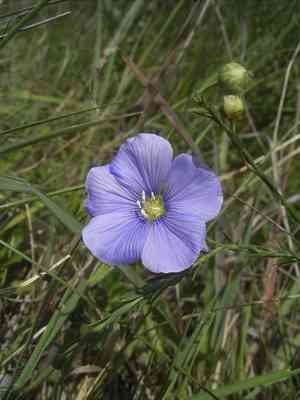
Austrian flax is recognized for its vivid blue blossoms, enhancing the aesthetic appeal of any garden.
2
It draws in beneficial insects such as bees and butterflies.
3
Simple to cultivate and care for, making it perfect for novice gardeners.
Why Austrian Flax is a Garden Essential
Boosting Garden Aesthetics
With its striking blue blossoms, Austrian flax enhances the visual appeal of any garden space. Flowers typically appear from late spring through summer, offering a prolonged display of vivid color. Its tall, slender stalks make it ideal for adding vertical interest among low-growing groundcovers or as a prominent feature along garden borders.
Drawing in Beneficial Insects
A key advantage of Austrian flax is its capacity to attract pollinators like bees and butterflies. These insects are crucial for pollination, which is vital for the growth and reproduction of many plant species. By cultivating Austrian flax, you not only beautify your garden but also foster a supportive habitat for these helpful creatures.
Why Austrian Flax is an Eco-Conscious Choice
Minimal Water Needs
A primary benefit of Austrian flax is its resilience to drought. Once established, Austrian flax needs very little watering, making it an excellent option for environmentally aware gardeners aiming to conserve water. This trait not only simplifies upkeep but also aligns with sustainable gardening practices.
Soil Enhancement
Another ecological advantage of Austrian flax is its positive impact on soil health. The plant possesses a fibrous root system that helps prevent soil erosion and improves soil structure by increasing its aeration. Over time, this leads to healthier soil that can better sustain diverse plant life.
Effective Cultivation and Care for Austrian Flax
Planting Advice
Austrian flax can thrive in various soil types but performs best in well-draining soil with a pH between 6.0 and 7.5. It's recommended to plant Austrian flax in a spot that receives full sunlight for at least six hours daily. When planting, ensure seeds or seedlings are adequately spaced to allow for growth and proper air circulation.
Maintenance Guidelines
Caring for Austrian flax is a simple task. It requires occasional watering during extended dry periods but generally flourishes with minimal intervention. Pruning is usually unnecessary, but removing spent flowers can encourage more blooms. Furthermore, Austrian flax is resistant to most pests and diseases, reducing the need for chemical treatments.
Additional Advantages of Austrian Flax
Supporting Biodiversity
By integrating Austrian flax into your garden, you contribute to increased biodiversity. The plant offers shelter and sustenance to various insects and birds. Higher biodiversity typically results in a more resilient ecosystem, capable of enduring environmental stresses and benefiting the wider landscape.
Educational and Sensory Experiences
Gardening with Austrian flax can serve as a valuable educational tool for children and garden enthusiasts. Observing the plant's life cycle, along with its interactions with pollinators, can provide significant lessons in ecology. Moreover, the tactile, visual, and olfactory experiences associated with tending Austrian flax make it a plant that engages multiple senses.



