How to Transplant Lesser butter and eggs?
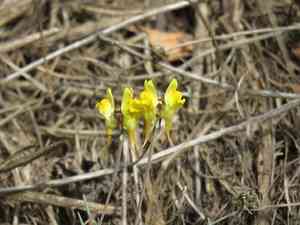
The optimal period for relocating lesser butter and eggs extends from the onset of early spring through the vigor of late spring. Select a bright area featuring soil that drains effectively. Should the plants become too dense or require a different site, a careful transfer can foster vigorous development.
What Preparations are Needed Before Transplanting Lesser Butter And Eggs?
What is the Ideal Time for Transplanting Lesser Butter And Eggs?
The optimal period to relocate lesser butter and eggs spans from the revitalizing phase of early spring to the lush peak of late spring. During this timeframe, nature awakens, providing a mix of gentle temperatures and ample rainfallâperfect conditions for lesser butter and eggs to establish its root system. Moving lesser butter and eggs to your garden during this interval ensures a smooth adjustment, benefiting from the start of the growing season. This timely shift promotes vigorous development, maximizing the available growth period before summer's intense heat arrives.
How Much Space Should You Leave Between Lesser Butter And Eggs Plants?
When planning the spacing for your lesser butter and eggs, aim for approximately 4-6 inches (10-15 cm) between each plant. This spacing allows individual plants sufficient room to thrive without becoming overcrowded, ensuring proper air circulation and development.
What is the Best Soil Mix for Lesser Butter And Eggs Transplanting?
For lesser butter and eggs, a soil blend that drains effectively and is enriched with organic material is perfect. Prior to transplanting, incorporate a balanced, slow-release fertilizer to give your plants a healthy start. Strive for a pH level that is neutral to slightly acidic.
Where Should You Relocate Your Lesser Butter And Eggs?
Select a sunny location for your lesser butter and eggs, as they flourish in full sunlight. An area receiving at least 6-8 hours of direct sun daily will encourage robust growth and abundant flowering.
What Equipments Should You Prepare Before Transplantation Lesser Butter And Eggs?
Gardening Gloves
To safeguard your hands while handling soil and plants.
Spade or Shovel
To excavate the plant from its current spot without harming the root ball.
Garden Trowel
For more precise digging, particularly when moving smaller plants.
Watering Can or Hose
To hydrate the lesser butter and eggs before and after its relocation.
Pruners or Scissors
To trim any dead or excess plant parts prior to transplanting.
Wheelbarrow or Planting Tray
To move the lesser butter and eggs from its original site to the new location without causing damage to the plant or its roots.
How Do You Remove Lesser Butter And Eggs from the Soil?
How Do You Remove Lesser Butter And Eggs from the Soil?
From Ground: Hydrate the lesser butter and eggs to moisten the soil. Use a spade or shovel to dig a wide circle around the plant, being careful not to harm the root ball. Gently slide the tool underneath to lift the plant from its initial position.From Pot: Water the soil in the container to facilitate easier removal. Tilt the pot sideways and gently tap its sides to loosen the soil. Grasp the base of the lesser butter and eggs and carefully extract it while supporting the soil and root ball.From Seedling Tray: Water the soil in the seedling tray cell before attempting removal. Use a garden trowel or a small stick to gently push the lesser butter and eggs seedling up from the bottom of the cell, taking care not to damage the delicate roots or stem.
Step-by-Step Guide for Transplanting Lesser Butter And Eggs
Plant Removal
Thoroughly water the lesser butter and eggs before attempting to extract it from its current spot.
Soil Preparation
At the new site, prepare a hole that is twice the width of the plant's root ball but maintains the same depth to prevent planting too deeply.
Plant Inspection
Examine the root ball of the lesser butter and eggs for any diseased or damaged roots and trim as necessary using pruners or scissors.
Place the Plant
Carefully position the lesser butter and eggs in the center of the hole. Gently spread out the roots and ensure it stands upright.
Backfill
Gradually refill the hole with the excavated soil, firmly but gently pressing down around the lesser butter and eggs to eliminate air pockets.
Watering
Immediately after transplanting, generously water the lesser butter and eggs to settle the soil around the roots and help minimize transplant shock.
How Do You Care For Lesser Butter And Eggs After Transplanting?
Mulching
Apply a layer of organic mulch around the base of the lesser butter and eggs to retain moisture, stabilize soil temperature, and inhibit weed growth.
Pruning
Trim any broken or damaged stems that may have occurred during the transplant process to encourage new growth and reduce stress on the lesser butter and eggs.
Monitoring
Observe for indications of transplant shock, such as wilting or yellowing foliage, and address any issues promptly.
Pest and Disease Prevention
Watch for pests or diseases that might exploit the lesser butter and eggs's vulnerable state post-transplant and treat appropriately if necessary.
Troubleshooting Common Issues with Lesser Butter And Eggs Transplantation.
When is the best time to transplant lesser butter and eggs?
Optimal transplanting occurs from early to late spring, when growth is most vigorous.
How far apart should I space lesser butter and eggs when transplanting?
Aim for a cozy arrangement with a spacing of 4-6 inches (10-15 cm) for healthy growth.
Why are my transplanted lesser butter and eggs plants wilting?
Wilting could indicate shock or insufficient water. Gradually acclimate them to outdoor conditions and keep soil moist.
How deep should I plant lesser butter and eggs seedlings?
Plant them at the same depth they grew previously to avoid burying the stems too deep.
Can lesser butter and eggs be transplanted on a hot day?
Avoid hot days. Transplant in mild weather or shade to prevent heat stress and dehydration.
How much water does lesser butter and eggs need after transplanting?
Water thoroughly after transplanting and maintain moist soil without overwatering which could lead to root rot.
Should I fertilize lesser butter and eggs after transplanting?
Wait 2-4 weeks before fertilizing to allow roots to recover and avoid burning them with excess nutrients.
Why are the leaves of my lesser butter and eggs turning yellow post-transplant?
Yellowing leaves can be a sign of transplant shock, overwatering, or nutrient deficiency. Assess and adjust care.
Can I transplant lesser butter and eggs in partial shade?
Yes, though lesser butter and eggs thrives in full sun, it can tolerate partial shade, especially in hotter climates.
What type of soil is best for transplanting lesser butter and eggs?
Use well-draining soil rich in organic matter to provide lesser butter and eggs with a strong foundation for growth.



