The Lesser butter and eggs Plant Advantage: Maximizing Home and Office Appeal and Wellness
1
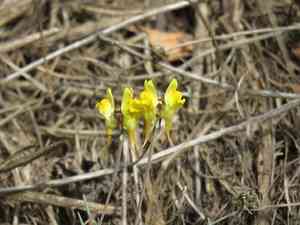
Lesser butter and eggs is recognized for its bright yellow blossoms that enhance garden aesthetics.
2
This resilient plant flourishes even in subpar soil, requiring minimal upkeep.
3
Lesser butter and eggs draws in helpful pollinators, contributing to a healthy ecosystem.
Why Consider Cultivating Lesser Butter and Eggs?
Aesthetic Appeal
Lesser butter and eggs is celebrated for its striking yellow blossoms that can brighten any garden area. These blooms not only add a burst of color but also offer a beautiful contrast with other plants, creating an attractive landscape. Whether you desire a cottage garden, a modern design, or a wildflower meadow, Lesser butter and eggs integrates seamlessly into various garden styles.
Effortless Upkeep
A primary advantage of Lesser butter and eggs is its low-maintenance nature. This plant is robust and can adapt to diverse soil types, including infertile and rocky ground. It needs minimal watering once established, making it an ideal choice for those desiring a beautiful garden without constant care. Furthermore, Lesser butter and eggs resists most pests and diseases, reducing the need for chemical treatments.
How Does Lesser Butter and Eggs Benefit the Ecosystem?
Pollinator Attraction
Lesser butter and eggs acts as a magnet for beneficial pollinators such as bees and butterflies. These pollinators play a vital role in the ecosystem by aiding plant reproduction and supporting biodiversity. By planting Lesser butter and eggs, you create a habitat that supports the local pollinator population, which is crucial for environmental health.
Erosion Prevention
Lesser butter and eggs possesses a strong root system that aids in stabilizing soil and preventing erosion. This makes it an excellent option for planting on slopes or in areas prone to soil loss. The roots help bind the soil together, reducing topsoil depletion and helping to maintain soil vitality.
What Are the Practical Applications of Lesser Butter and Eggs?
Ground Cover
Lesser butter and eggs serves as an effective ground cover due to its dense growth habit. It spreads across the ground, covering bare soil and outcompeting weeds. This not only creates a lush, green carpet but also lessens the need for mulching and weeding, saving time and effort in garden maintenance.
Wildlife Habitat
Beyond attracting pollinators, Lesser butter and eggs also provides shelter and sustenance for various wildlife species. Birds and small mammals may consume its seeds, while insects find refuge among its foliage. This increased biodiversity can transform your garden into a vibrant, flourishing ecosystem.
How Can You Incorporate Lesser Butter and Eggs into Your Garden Design?
Complementary Planting
Lesser butter and eggs pairs well with a variety of other plants, making it a versatile choice for mixed borders, wildflower gardens, and container plantings. Its yellow flowers can complement other brightly colored plants or offer a splash of color against green foliage. Consider planting Lesser butter and eggs alongside native species or other hardy perennials for a cohesive and resilient garden.
Seasonal Interest
While Lesser butter and eggs is most recognized for its spring and summer blooms, its foliage can provide appeal throughout the growing season. In autumn, it may produce seed pods that add textural interest and provide food for wildlife. Including Lesser butter and eggs in your garden ensures multi-season appeal, enhancing the overall aesthetic.
Tips for Cultivating and Maintaining Lesser Butter and Eggs
Planting Advice
When planting Lesser butter and eggs, select a sunny location with well-draining soil. Although it can endure poor soil, it will flourish even better in moderately fertile conditions. Space plants approximately a foot apart to allow for growth and air circulation, which can prevent disease.
Maintenance Guidelines
Once established, Lesser butter and eggs requires minimal attention. Water the plants during extended dry periods and trim back any dead or damaged foliage in late fall or early spring. Removing spent flowers can encourage more blooms and prevent unwanted self-seeding if that is a concern.



