How to Prune Lesser butter and eggs?
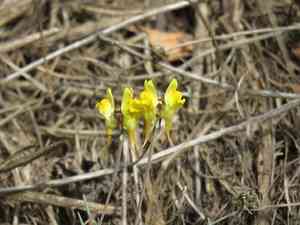
A compact perennial recognized for its intricate yellow blossoms, lesser butter and eggs flourishes with infrequent trimming. In the springtime, remove faded blooms to encourage additional flowering. During the summer, lightly prune to preserve its form and foster thick development. Autumn pruning entails cutting back the foliage once blooming concludes, readying lesser butter and eggs for its winter rest. Consistent trimming deters excessive growth and stimulates robust, vivid presentations. Precise timing is essential to prevent interfering with the plant's inherent blooming rhythm.
What Are the Benefits of Pruning Lesser Butter And Eggs?
What Are the Benefits of Pruning Lesser Butter And Eggs?
Trimming lesser butter and eggs promotes more robust development by eliminating old or dense stems, thereby boosting air circulation and light exposure. Consistent trimming also keeps lesser butter and eggs well-formed and visually appealing.
What Is the Best Time for Pruning Lesser Butter And Eggs?
What Is the Best Time for Pruning Lesser Butter And Eggs?
Pruning lesser butter and eggs in spring is ideal as it coincides with the start of its active growth phase, allowing the plant to recover and reallocate energy to new growth effectively. Summer trimming can be useful for maintaining plant shape and managing size after the main spring growth surge. Trimming in autumn is not advised for lesser butter and eggs as it might stimulate new growth vulnerable to upcoming winter frosts.
What Tools Do I Need to Prune Lesser Butter And Eggs?
Hand Pruners
Given the delicate nature of lesser butter and eggs, sharp, bypass hand pruners are perfect for making clean cuts without harming the slender stems.
Gardening Scissors
Lesser butter and eggs may require precise snipping to shape or thin foliage, for which gardening scissors are excellent due to their fine blades and ease of use for detailed tasks.
Pruning Shears
For any deadheading or light shaping of lesser butter And Eggs, pruning shears can be utilized. Their sharp blades are suitable for quick and effortless snipping of small stems.
How to Prune Lesser Butter And Eggs
Clean tools
Before beginning the pruning process, ensure your cutting tools are clean and sharp to prevent spreading diseases to lesser butter and eggs. Disinfect shears or scissors with a solution of one part bleach to nine parts water or use alcohol wipes.
Identification
Carefully examine lesser butter and eggs to pinpoint withered leaves that need removal. Look for any leaves that are brown, brittle, or show signs of decay.
Snipping
Using your disinfected cutting tools, carefully snip the withered leaves at their base where they meet the stem or from their point of origin. Be sure not to damage adjacent healthy tissue.
Disposal
Gather and dispose of the removed withered leaves properly. Do not leave them on the ground as this could encourage disease or pests. Dispose of them in a compost bin if possible or bag them for trash.
Post pruning care
After pruning, monitor lesser butter and eggs for any signs of stress or pests. Water the plant if necessary, but avoid overwatering, and ensure it receives adequate sunlight exposure as per its specific needs.
Common Pruning Mistakes with Lesser Butter And Eggs
Over-pruning
Removing too much foliage at once can stress lesser butter and eggs, weakening the plant and potentially leading to reduced flowering and vigor.
Cutting too close
Pruning too near the main stems may compromise the plant's structural integrity, making lesser butter and eggs vulnerable to diseases and pests.
Using dull tools
Dull pruning tools can crush stems and foliage, resulting in jagged cuts more susceptible to infection.
Pruning without a plan
Random or unplanned cuts can lead to uneven growth and may not promote the desired shape or health for lesser butter and eggs.
Ignoring diseased or dead material
Failing to remove dead or diseased material can hinder growth and potentially spread pathogens throughout lesser butter and eggs.
Neglecting tool cleanliness
Not cleaning tools between uses can transfer diseases from infected plants to healthy ones, including lesser butter and eggs.
Common Pruning Tips for Lesser Butter And Eggs
Sharp tools
Always use sharp, clean pruning shears to ensure clean cuts that will heal quickly, reducing the risk of disease entry in lesser butter and eggs.
Selective pruning
Focus on thinning out crowded areas to enhance air circulation and light penetration, which are crucial for the health of lesser butter and eggs.
Preserve plant structure
Maintain the natural shape of lesser butter and eggs when pruning, only cutting back stems that are out of place, damaged, or overgrown.
Encourage new growth
Remove only the tips of the stems to stimulate new growth and more vigorous flowering in lesser butter and eggs.
Disease management
Regularly inspect lesser butter and eggs for signs of disease or damage, and prune out affected areas promptly to prevent spread.
Aftercare
Following pruning, provide lesser butter and eggs with adequate water and nutrients to support recovery and new growth.



