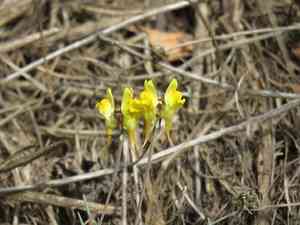
Lesser butter and eggs (Linaria supina)
Also known as: Pyrenean toadflax
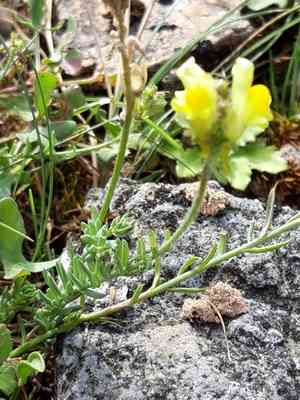
The plant in question reaches a height of 5 to 30 cm and features stems that range from horizontal to slightly ascending. It produces pale yellow flowers, which can be seen from spring through fall. These flowers are typically clustered together. Notably, the flower's palate has an orange hue. The corolla, accompanied by a spur, measures about 2 to 2.5 cm in length, while the spur itself is nearly straight and about 1 to 1.5 cm long. Additionally, the chalice lips of the flower are characterized by their blunt tips.
In This Article
Attributes of Lesser butter and eggs
Lifespan
Annual
Plant Type
Herb
Plant Height
20 cm to 25 cm
Spread
Varies, typically up to 15-20 cm
Leaf Color
Green
Flower Size
2.5 cm
Flower Color
White Yellow
Images of Lesser butter and eggs
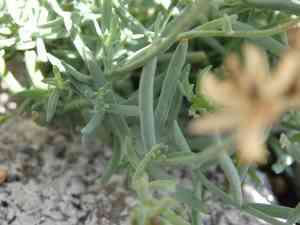
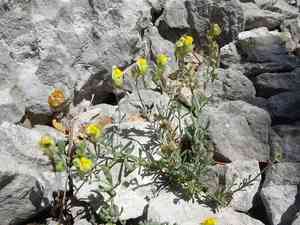
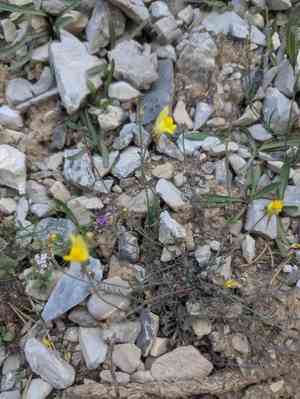
Quickly Identify Lesser butter and eggs
1
This plant can be identified by its small, spurred flowers which are usually yellow with a contrasting color at the center. The stems are thin and may be low-growing or slightly erect.
Scientific Classification of Lesser butter and eggs
Phylum
Vascular plants
Class
Dicotyledons
Order
Lamiales
Family
Plantain
Genus
wild snapdragon
Species
Lesser butter and eggs
Planting and Growing of Lesser butter and eggs
Care Difficulty
Easy
Watering Schedule
Every 4 days
Sunlight Requirements
Full sun
Sunshine Duration
6-12 hours
Ideal Temperature
60-75℉
Soil Type
Potting Mix, Peat Mix
Soil pH
6-7.5
Fertilizer Type
Balanced
Pruning Season
Spring, Summer
Pruning Area
Branches, Leaves
Pruning Frequency
2 times a year
Repotting Season
Spring
Pot Type
Plastic, Terracotta
 How to Water Lesser butter and eggs?
Linaria supina prefers a moderate watering regime. The soil should be kept slightly moist but not soggy. Aim to water so the top inch of soil remains damp; this usually means providing about 150 milliliters per session, ensuring excess water drains away to prevent root rot.
What are the symptoms of an underwatered Lesser butter and eggs?
›
What should I do if my Lesser butter and eggs is not getting enough water?
›
What are the symptoms of an overwatered Lesser butter and eggs?
›
How to save an overwatered Lesser butter and eggs?
›
 What Are the Sunlight Requirements for Lesser butter and eggs?
Linaria supina prefers full to partial sun environments. Ideal lighting conditions foster lush blossoms and dynamic plant growth, enhancing visual appeal and ecological benefits in its habitat.
How much sunlight does it need?
›
What to do if full sun is not available?
›
What are the benefits of ideal lighting?
›
 What Is the Ideal Temperature Range for Lesser butter and eggs?
Linaria supina thrives best within an optimal temperature range of 60°F to 75°F. This range allows for proper physiological processes and promotes healthy growth. Maintaining temperatures within this interval ensures that the plant can photosynthesize efficiently and nutrient uptake is not disrupted.
 What Soil is Best for Lesser butter and eggs?
Linaria supina thrives in well-drained soil as it prevents root rot by ensuring excess water is transported away efficiently. This type of soil contributes to healthy root development and reduces the occurrence of fungal diseases. Though it's quite adaptable, Linaria supina benefits from nutrient-rich soil which supports its growth and vibrancy. An adequate supply of nutrients can enhance flowering and boost the plant's resilience against pests. While drought-tolerant, Linaria supina prefers moderately moist conditions. This balance helps it maintain its lush appearance and ensures consistent flowering without the risk of wilting or overwatering damage.
 How to Fertilize Lesser butter and eggs?
For Linaria supina, the amount of fertilizer should be moderate. Use approximately half the recommended dosage on the fertilizer package for small annuals. This prevents over-fertilization, which could damage the roots and leaves. A balanced, water-soluble fertilizer diluted to a quarter strength can be applied to the plants during the growing season.
 How to Prune Lesser butter and eggs?
Begin by deadheading the plant, which involves removing any spent flowers. This encourages the plant to focus on producing more blooms rather than seeds. Gently pinch or cut the spent blooms just above the first set of healthy leaves. Identify any stems that have become particularly long or leggy. Trim these back by about one-third to encourage bushier growth. This helps Linaria supina maintain a neat appearance, encouraging more uniform flowering across the plant. Regularly inspect the plant for any signs of disease or damage. Cut back these parts to healthy tissue to prevent the spread of disease. Always clean your tools after dealing with diseased plant material to maintain plant health.
More About Pruning Techniques→
 How to Propagate Lesser butter and eggs plant?
1
Use a well-draining soil mix for seed starting. A combination of peat moss and perlite can provide the necessary aeration and moisture retention for Linaria supina seeds.
2
Evenly distribute the seeds over the prepared soil surface. Press them lightly into the soil without burying them too deep, as they require some light to germinate.
3
Using sharp tools, cut a healthy shoot from the plant. Ensure the cutting is several inches long with a few leaves, then remove the lower leaves to expose nodes for rooting.
 How to Repot Lesser butter and eggs plant?
1
Observe if your Linaria supina is becoming root-bound. If roots start emerging from the bottom of the pot or if the plant exhibits stunted growth, it's time to consider repotting. Repotting is best done during warmer months to minimize transplant shock.
2
Select a pot that's slightly larger than the current one, preferably just 1-2 inches wider. A pot with good drainage is a must to prevent waterlogging. A slightly larger pot encourages healthy root expansion without overwhelming the plant.
3
Opt for a well-draining and light soil mix, ideally with some sand or perlite. This type of soil prevents water from pooling, allowing oxygen to reach the roots and reducing the risk of root rot, which Linaria supina is susceptible to.



