How to Transplant Washington lily?
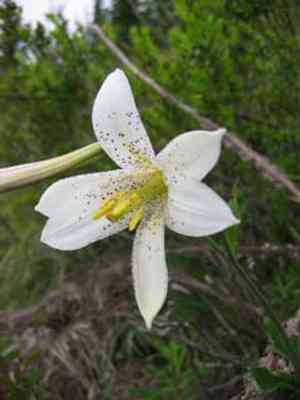
The optimal period for transplanting Washington lily spans from early spring to the beginning of summer, facilitating vigorous development. Choose a location offering filtered light and soil that drains effectively. When repositioning, minimize disruption to the root system to promote successful establishment.
What Preparations are Needed Before Transplanting Washington Lily?
What is the Ideal Time for Transplanting Washington Lily?
Relocate washington lily as spring's vitality emerges, ideally from the period of budding to full bloom. Moving washington lily during this timeframe capitalizes on natural growth spurts, ensuring root establishment prior to summer's heat. This timely action provides washington lily with spring's soil moisture and extended daylight, fostering a strong base for flowering. Rely on this interval for a smooth transition that promises washington lily's most vibrant future.
How Much Space Should You Leave Between Washington Lily Plants?
When preparing to plant your beautiful washington lily, you'll want to provide sufficient room for them to thrive. Aim to space each one approximately 12-18 inches (30-46 cm) apart. This will guarantee each washington lily has ample area for development and air circulation!
What is the Best Soil Mix for Washington Lily Transplanting?
For your washington lily, a soil that drains well and is loamy is ideal! Before planting, enrich the soil with a mild, slow-release plant food. This will give your washington lily an excellent start without overwhelming it. Consider it a comfortable, nutrient-rich bed for the roots!
Where Should You Relocate Your Washington Lily?
Your washington lily loves sunlight but also benefits from some afternoon shade. Locate a sunny spot that offers a bit of a break from the intense late-day sunbeams. This way, your washington lily can soak up the light while staying cool when it matters most!
What Equipments Should You Prepare Before Transplantation Washington Lily?
Gardening Gloves
To safeguard your hands while handling soil and the plant.
Trowel
For excavating and moving soil when planting washington lily.
Spade or Shovel
For larger digging tasks and lifting the root ball if transplanting from the ground.
Pruning Shears
For trimming any dead or excess foliage before relocation.
Watering Can or Hose
To hydrate washington lily before and after transplanting to reduce shock and aid root establishment.
Wheelbarrow
To transport washington lily and soil, especially for a larger specimen.
Garden Fork
To loosen and aerate the soil around the root ball, facilitating easier, damage-free lifting of washington lily.
How Do You Remove Washington Lily from the Soil?
How Do You Remove Washington Lily from the Soil?
From Ground: First, moisten the washington lily plant to soften the soil. Next, dig a wide circle around the plant using a shovel or spade, ensuring the root ball remains intact. Gently work the spade beneath the root ball to lift washington lily from its original spot.From Pot: Water the washington lily and allow it to drain to make the soil more pliable. Invert the pot onto its side and gently tap or shake it to dislodge the plant. Carefully slide washington lily out, preserving the root ball.From Seedling Tray: Dampen the soil to facilitate easier seedling removal. Use a trowel or your fingers to carefully lift each washington lily seedling from the tray, taking care not to harm the delicate roots or stem.
Step-by-Step Guide for Transplanting Washington Lily
Digging Hole
Excavate a hole in the ground where washington lily will be moved. The hole should be twice as wide and the same depth as the root ball to allow for expansion.
Preparing Root Ball
Inspect the washington lily root ball for any broken or deceased roots and trim them with pruning shears. Gently separate any tightly packed roots to encourage outward growth.
Placing the Plant
Position washington lily in the center of the excavated area. The base of the stem should be level with the surrounding ground to prevent water accumulation.
Filling the Hole
Backfill the hole with soil, gently compacting it around the root ball. Ensure there are no air pockets without excessively compressing the soil.
Stabilizing the Plant
Provide support for washington lily if necessary, especially for larger specimens. Use plant ties or soft materials to secure it without harming the stem.
Watering Thoroughly
Deeply water the washington lily to settle the soil and roots. This will also help to eliminate any remaining air pockets.
How Do You Care For Washington Lily After Transplanting?
Mulching
Apply a layer of organic material around the base of washington lily to help retain moisture, stabilize soil temperature, and reduce weed competition.
Staking
If the washington lily is tall or in a breezy location, provide a stake for support and tie it loosely to permit movement and growth.
First Few Weeks Care
Closely observe washington lily for the initial weeks, looking for indications of stress such as wilting or discolored leaves, and adjust care as required.
Gradual Sunlight Exposure
If washington lily was previously in a shaded spot, slowly introduce it to more sunlight to prevent shock.
Regular Observation
Keep an eye on washington lily as it settles into its new location, watching for pest issues or diseases that might exploit the plant's weakened state.
Troubleshooting Common Issues with Washington Lily Transplantation.
What's the best time to transplant washington lily for optimal growth?
For washington lily, relocation is most successful during the ideal window between early to late spring.
How far apart should I space washington lily when transplanting?
Aim for a generous spacing of 12-18 inches (30-45 cm) to allow washington lily ample room to thrive.
Why are my washington lily not thriving post-transplant?
Ensure washington lily is not planted too deeply and the soil drains well. Be mindful of waterlogging!
What soil conditions are ideal for transplanting washington lily?
Select a well-draining, fertile soil with a neutral pH for the successful establishment of washington lily.
How much water does washington lily need after transplanting?
Provide washington lily with a moderate drink after transplant, keeping the soil moist but not saturated.
Can washington lily tolerate full sun after being transplanted?
While it desires light, washington lily prefers dappled sunlight, especially during the intense afternoon hours.
My washington lily are wilting after transplanting, what did I do wrong?
Wilting washington lily could indicate shock. Offer shade, gentle watering, and avoid fertilizing until it stabilizes.
Should I fertilize washington lily immediately after transplanting?
Refrain from fertilizing right after transplanting; allow washington lily to settle for a few weeks first.
Is there a particular depth washington lily should be buried?
Indeed, the bulb of washington lily should be planted at a depth three times its height for stability and development.
What's the initial care regime for washington lily after transplant?
Post-transplant, keep washington lily's soil consistently moist and mulch to conserve moisture and temperature.



