How to Prune Washington lily?
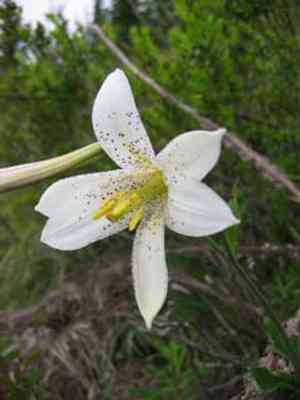
This graceful perennial, recognized for its aromatic, bell-shaped blossoms, flourishes in natural environments. For washington lily, trimming requirements are slight. Eliminate faded flowers and decaying foliage to stimulate development. Sever stems at soil level once the leaves have withered, usually in late winter or early spring prior to fresh emergence. Trimming guarantees robust bulbs and fosters abundant flowering. Exercise restraint with excessive pruning to prevent diminishing the subsequent year's floral display.
What Are the Benefits of Pruning Washington Lily?
What Are the Benefits of Pruning Washington Lily?
Trimming washington lily promotes robust development and maintains its desired form. By selectively removing excess growth, air circulation and light penetration improve, lowering disease risk and boosting flower production.
What Is the Best Time for Pruning Washington Lily?
What Is the Best Time for Pruning Washington Lily?
Pruning washington lily is best done in late winter or early spring as this timing aligns with the plant's dormant period, just before new growth begins. This phase is optimal because it prepares the plant for a strong growth spurt by eliminating dead or diseased tissue, ensuring energy is directed towards healthy development. Additionally, late winter or early spring pruning minimizes the risk of disease transmission, as many pathogens are less active in colder weather. This timing also prevents cutting off developing buds, ensuring the flowering potential of washington lily is not compromised, allowing gardeners to enjoy its blooms in the subsequent season.
What Tools Do I Need to Prune Washington Lily?
Bypass Pruners
These are perfect for snipping off faded flower stems and dead leaves of washington lily without harming the plant. Their precise, clean cuts help maintain plant health and appearance.
Gardening Gloves
When trimming washington lily, a pair of gloves will shield your hands from sharp edges and potential plant irritants.
Disinfectant Spray for Tools
Before and after pruning washington lily, it's crucial to sanitize your cutting tools to prevent disease spread. A simple alcohol or bleach solution will suffice.
Garden Snips
These are useful for cutting through softer or smaller parts of washington lily, such as thin stems, without causing unnecessary damage to the plant.
How to Prune Washington Lily
Sanitize Tools
Before beginning, ensure all pruning tools are clean and sterilized to prevent the spread of disease to washington lily.
Identify
Inspect washington lily carefully to locate diseased and withered leaves. Look for any leaves that are discolored, spotted, or appear unhealthy, as well as any that are brown and dried out.
Cut Diseased Leaves
Using sterilized pruning shears, carefully trim off diseased leaves at their base, cutting as close to the stem as possible without damaging it. Remove each leaf individually, being cautious not to tear the plant's tissue.
Cut Withered Leaves
Similarly, remove withered leaves from washington lily by snipping them at the base with sterilized shears, ensuring a clean cut that does not harm the main stem or nearby healthy leaves.
Dispose
Dispose of all removed leaves appropriately. Do not compost diseased material as it could harbor pathogens that might infect the soil or other plants. Instead, discard them in a way that prevents the spread of disease.
Common Pruning Mistakes with Washington Lily
Overpruning
Removing too much foliage or too many of washington lily's stems can weaken the plant and reduce its ability to photosynthesize effectively.
Cutting Flowering Stems Early
Snipping off washington lily's stems before they have finished blooming can prevent the formation of seed pods, which are important for its reproductive cycle and future growth.
Improper Cut Location
Cutting stems either too close or too far from the node can lead to poor regrowth or disease entry points.
Using Dull Tools
Pruning washington lily with dull or unclean pruning tools can cause jagged cuts that are more susceptible to infections.
Ignoring Diseased Material
Failing to remove diseased or damaged parts of washington lily during pruning can lead to the spread of disease throughout the plant.
Common Pruning Tips for Washington Lily
Selective Pruning
Carefully choose which stems to prune, focusing on removing only the spent flowers, damaged, or diseased tissue, thus ensuring washington lily remains healthy and vigorous.
Clean Cuts
Make clean, angled cuts just above a leaf node or bud to encourage proper healing and new growth for washington lily.'s remaining stems.
Clean Tools
Always use sharp and sterilized pruning tools to prevent the spread of disease and ensure clean cuts on washington lily.
Post-Bloom Pruning
Wait until washington lily has finished flowering before pruning to maximize bloom time and allow for natural seed dispersal if desired.
Moderation
Prune washington lily moderately to shape the plant and manage its size, but avoid excessive removal of healthy growth to preserve its energy reserves.



