How to Propagate Washington lily?
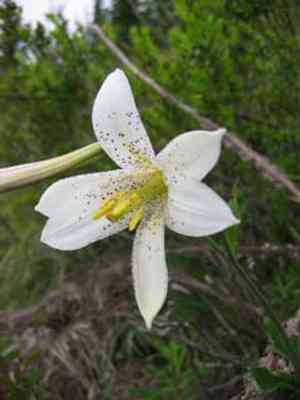
The Washington lily, a fragrant and impressive blossom, is best multiplied using its tubers, allowing the cultivator to sustain its beauty. Carefully detaching these tubers and placing them in soil that drains effectively and is abundant in organic material guarantees a more robust beginning. Precaution is necessary to prevent harm to the tuber scales, as they are essential for the emergence of new shoots. It is crucial to supply steady hydration while preventing excessive moisture, which could cause decay. A mix of filtered sunlight and shadow will satisfy the Washington lily's developmental requirements, enabling it to flourish and flower.
Optimal Time for Washington Lily Propagation
Propagation Type
Utilize The Tubers
Propagation Season
Spring
Tools Required for Washington Lily Propagation
Sharp knife or garden scissors
Crucial for making clean cuts or separating tubers from washington lily. A precise cut minimizes damage to the tubers, fostering healthier root growth and lowering disease risk.
Sterilizing agent (e.g., rubbing alcohol or bleach solution)
Used to sanitize cutting implements before and after use. This prevents pathogen transmission, vital for washington lily's health during sensitive propagation phases.
Rooting hormone powder or gel
Applied to the cut surfaces of washington lily's tubers to stimulate root development and enhance overall propagation success by encouraging root cell formation.
Planting pots
Needed for potting the separated tubers. Employing fresh, sterile potting soil in these containers helps avert disease and supplies washington lily with necessary initial growth nutrients.
Watering can with a gentle spray
Used to delicately water the tubers without disturbing the freshly planted soil or causing erosion. Maintaining consistent moisture levels is key to washington lily's successful establishment.
Labels and marker
Important for tracking propagation dates and specific treatments applied to different tuber sets. Accurate labeling aids in managing the care regimen effectively as washington lily matures.
Caring for Your Newly Propagated Washington Lily
Caring for Your Newly Propagated Washington Lily
Post-propagation, washington lily requires monitoring for growth and health. Continue to provide moist, well-drained soil and shield plants from extreme temperatures. As washington lily grows, stake if needed, especially in windy areas. Regularly inspect for pests and diseases, treating as necessary to ensure robust growth. Once blooming starts, reduce watering frequency to prevent bulb rot.
Common Errors to Avoid When Propagating Washington Lily
Overwatering
Excessive watering is a common error when propagating washington lily. This mistake can lead to root rot, a condition that hinders root development and can ultimately cause plant demise.
Deep planting
Planting washington lily bulbs too deeply can prevent them from emerging above the soil, impeding their growth and flowering potential.
Inadequate soil preparation
Failing to prepare the soil with proper drainage and nutrient content is detrimental. Poor soil conditions can result in weakened plants less capable of thriving and reproducing.
Tips For Propagating Washington Lily
Correct bulb depth
Plant washington lily bulbs at a depth roughly three times their height. This depth provides sufficient anchorage and protection without being too deep for emergence.
Soil composition
Utilize a well-draining soil mix rich in organic matter to support washington lily's growth. Such a soil composition enhances root health and overall plant vigor.
Sufficient spacing
Ensure washington lily bulbs are adequately spaced to allow for growth and air circulation. This prevents disease spread and encourages robust development.



