How to Transplant Prairie blazing star?
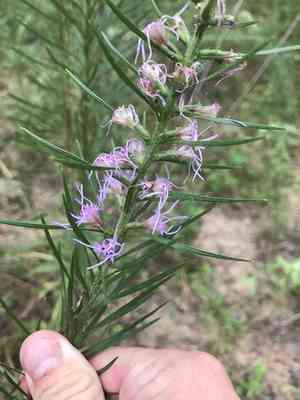
The ideal period to relocate prairie blazing star is after the last frosts have passed, embracing the vigor of late spring through early summer. Select locations that receive full sunlight and possess soil with good drainage. To ensure strong development, provide prairie blazing star with sufficient room. Thorough watering after transplanting assists in root establishment.
What Preparations are Needed Before Transplanting Prairie Blazing Star?
What is the Ideal Time for Transplanting Prairie Blazing Star?
Relocate prairie blazing star in mid-spring for optimal natural conditions. This timing promotes strong root development and vibrant flowers, giving your prairie blazing star the best start in its new location!
How Much Space Should You Leave Between Prairie Blazing Star Plants?
When moving prairie blazing star, aim for a spacing of 2-3 feet (approximately 60-91 cm). This provides ample room for each plant to flourish, encouraging vigorous growth. It will also blend beautifully with your other plants!
What is the Best Soil Mix for Prairie Blazing Star Transplanting?
For prairie blazing star, you'll need well-draining soil enriched with compost. To establish a strong base, incorporate a phosphorus-rich base fertilizer to encourage root growth before planting. Always remember, fertile soil is crucial!
Where Should You Relocate Your Prairie Blazing Star?
Ideally, place prairie blazing star in a location with full sun exposure, as it thrives in sunlight. However, it can endure partially shaded areas. Ensure the site mimics prairie blazing star's native prairie environment for optimal development.
What Equipments Should You Prepare Before Transplantation Prairie Blazing Star?
Gardening Gloves
To safeguard your hands while handling soil and prairie blazing star.
Garden Trowel
This is a hand tool used to lift the plant from its original spot.
A Spade or Digging Fork
This is useful for excavating the new planting hole and loosening the surrounding soil.
Watering Can
This will be utilized to thoroughly water the plant after relocation.
Wheelbarrow
If the plant is large and heavy, this tool is necessary for moving it to the new site.
Pruning Shears
These might be required to trim any damaged roots or stems.
How Do You Remove Prairie Blazing Star from the Soil?
How Do You Remove Prairie Blazing Star from the Soil?
From Ground: Before extracting prairie blazing star from its initial ground position, thoroughly hydrate the plant by watering it. Use the garden trowel or spade to carefully dig a trench around the plant, ensuring the root ball remains intact. Gently work the spade beneath the root ball to lift the plant from the ground.From Pot: Start by irrigating the prairie blazing star plant until water freely drains from the bottom. Turn the pot on its side, hold the plant gently by the stems or leaves, and tap the base of its container until the plant slides out. Be careful not to pull by the stems or leaves.From Seedling Tray: Water the seedling tray before transplanting. Use a table knife or similar small implement to carefully ease each prairie blazing star seedling out of its cell, taking care not to harm the root system. Hold each seedling by its leaves, not by its stem or roots, to minimize the risk of injury.
Step-by-Step Guide for Transplanting Prairie Blazing Star
Preparation
Begin by preparing the new planting site by digging a hole twice as wide and slightly shallower than the plant's root ball. The top of the root ball should be level with the soil surface.
Positioning
Gently place the prairie blazing star plant in the hole, ensuring it stands upright. Backfill the hole with soil, firming it gently around the plant's base.
Watering
Thoroughly water the plant after transplanting. This will help settle the soil around the roots and reduce transplant shock.
Mulching
Apply a layer of mulch around the plant, leaving a few inches clear around the stem. This will help retain moisture and suppress weed growth.
How Do You Care For Prairie Blazing Star After Transplanting?
Regular Maintenance
Caring for your newly relocated prairie blazing star involves monitoring its overall health and development. Ensure any pests or plant diseases are identified and addressed as early as possible.
Watering
While prairie blazing star is drought-tolerant once established, it requires consistent watering immediately after transplanting, until it develops a robust root system.
Winter Care
If you transplant prairie blazing star in fall, apply a protective layer of mulch or burlap around the plant. This will offer protection from harsh winter temperatures.
Troubleshooting Common Issues with Prairie Blazing Star Transplantation.
What is the best time of the year to transplant prairie blazing star?
The most suitable season to relocate prairie blazing star is late spring to early summer (S2-S3). These periods allow the plant to establish before the autumn frost.
How much space is needed between individual prairie blazing star plants when transplanting?
It's best to maintain a spacing of 2-3 feet (60-90 cm) between each prairie blazing star. This provides each plant sufficient room to grow and bloom fully.
How deep should the hole be when transplanting prairie blazing star?
The hole should be twice as wide as the root ball and the same depth as your prairie blazing star was originally growing in the pot.
What should I do if my transplanted prairie blazing star is wilting?
If your prairie blazing star begins to wilt after transplanting, ensure you are watering it correctly. The roots need time to adjust, and frequent, shallow watering can assist.
Should I use a fertilizer when transplanting prairie blazing star?
Yes, applying a slow-release fertilizer during relocation can provide essential nutrients. However, avoid high-nitrogen fertilizers as they may lead to more foliage and fewer flowers.
Is it necessary to prune prairie blazing star before transplanting?
Pruning isn't mandatory, but it helps. Consider trimming dead or elongated stems to reduce the energy needed for roots to re-establish, promoting quicker recovery after transplant.
How do I know if prairie blazing star has been transplanted too deeply?
If you observe yellow leaves or stunted growth, the prairie blazing star might be too deep. The top of the root ball should be at or slightly above ground level.
Why is my transplanted prairie blazing star not blooming?
Prairie blazing star might not bloom immediately after transplanting as it requires energy to establish roots. Be patient and ensure it receives proper care; it should bloom eventually.
Can I transplant prairie blazing star in partial shade?
Prairie blazing star prefers full sun for optimal growth, but it can tolerate light shade. However, excessive shade can result in leggy plants and less vibrant blooms.
How soon can I expect my transplanted prairie blazing star to bloom?
Blooming time will vary, but typically prairie blazing star might take a season before they start to bloom after transplanting. Proper care can help expedite this process.



