How Much Sunlight Do Prairie blazing star Need?
1
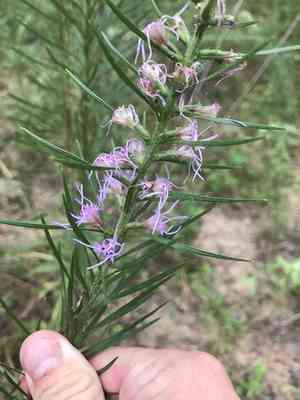
Prairie blazing star flourishes optimally with over 6 hours of direct sun each day.
2
It endures some shade, yet its flowering might be less abundant than when exposed to full sun.
3
Sufficient sunlight enhances not only development but also immunity to diseases for Prairie blazing star.
The Importance of Sunlight for Prairie Blazing Star
Photosynthesis and Development
Sunlight is essential for plant life, and the Prairie blazing star is no different. This native prairie species heavily relies on photosynthesis, the process where it transforms light energy into chemical energy to fuel its development. Without sufficient sunlight, the plant's growth will be hindered, and its vibrant, purple flower spikes might not reach their full potential. Consistent sunlight ensures the Prairie blazing star receives the necessary energy for optimal growth and robust health.
Flowering and Bloom Cycles
Regarding blooming, sunlight plays a crucial role for the Prairie blazing star. The plant typically flowers from summer to early autumn, and ample sunlight guarantees each spike achieves its full splendor. Plants cultivated in full sun will produce more blossoms, making your garden appear vibrant and lively. If the plant doesn't get enough sunlight, you might observe fewer flowers and duller hues during the blooming season.
Disease Prevention
Sunlight is also vital for preventing diseases in the Prairie blazing star. Adequate sunlight helps keep the plant dry, thereby decreasing the likelihood of fungal infections and other ailments that flourish in moist conditions. Full sun exposure ensures the plant stays healthy and less vulnerable to mildew, root rot, and other common plant diseases.
Optimal Sunlight Conditions for Prairie Blazing Star
Full Sun Requirements
For vigorous growth and brilliant blooms, the Prairie blazing star generally needs full sunlight. This means it should receive at least 6 hours of direct sunlight daily, though more is preferable. In areas with intense afternoon sun, some light afternoon shade can be tolerated but shouldn't negatively impact its overall performance.
Daily Light Duration
The more sunlight your Prairie blazing star receives, the better it will flourish. Aim for a minimum of 6-8 hours of sunlight per day. This amount ensures the plant can efficiently perform photosynthesis, produce lush foliage, and abundant flowers. For those in regions with shorter daylight hours, try to maximize the plant's exposure to morning and afternoon sun.
Light Intensity
Not all sunlight is equivalent. The strength of light can significantly impact the Prairie blazing star. Bright, direct light is ideal, as it contains the most energy. This means prioritizing planting your Prairie blazing star in an open area free from obstructions like tall trees or buildings that might cast shadows.
How to Ensure Sufficient Sunlight for Prairie Blazing Star
Selecting the Correct Planting Site
The initial step to guarantee your Prairie blazing star receives enough sunlight is choosing the right location. Pick a spot in your garden that is open and gets continuous sunlight throughout the day. Avoid areas shaded by larger plants, trees, or structures to maximize exposure.
Pruning and Spacing
Proper pruning and spacing can also help maximize sunlight exposure. Ensure you plant your Prairie blazing star with adequate space (at least 30-45 cm or 1-1.5 feet apart) between them and other plants. This allows more light to reach each plant. Regular pruning can help remove shaded areas within the plant, improving air circulation and light penetration.
Utilizing Reflective Mulches
Reflective mulches can be beneficial for enhancing the light that reaches your Prairie blazing star. These mulches bounce sunlight back onto the plant, which can help boost light exposure, especially for the plant's lower sections.
Monitoring Light Exposure
Finally, regularly observe your Prairie blazing star for light exposure. Use a light meter if necessary to confirm they're getting the required amount of sunlight. If you notice any signs of inadequate light, such as spindly growth or fewer blooms, consider relocating the plant to a sunnier spot.
Common Sunlight-Related Issues for Prairie Blazing Star
Indicators of Insufficient Light
One of the primary signs of insufficient light in Prairie blazing star is weak, elongated growth. The plant may stretch towards the sun, resulting in thin, extended stems. Another clear indicator is reduced blooming or no flowers at all. Yellowing leaves and slow growth can also suggest your plant isn't receiving enough sunlight.
Managing Excessive Sunlight
While Prairie blazing star thrives in full sun, too much sunlight, especially combined with high temperatures, can lead to sunburn or scorching. Signs include brown, crispy leaf edges and general leaf yellowing. To alleviate this, you can provide some light afternoon shade or ensure proper watering to keep the plant hydrated.
Adjusting Light Conditions
If you find that your Prairie blazing star is either not getting enough light or is suffering from too much, modifications can be made. Moving potted plants is relatively simple. For garden plants, you might need to consider replanting them in a different location or using temporary shading solutions during the peak summer months.



