How to Prune Prairie blazing star?
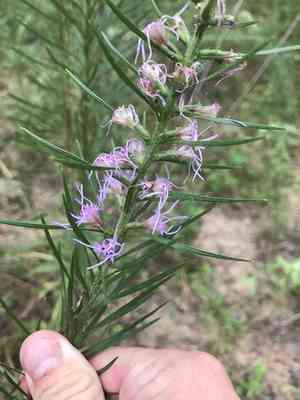
Originating from North American grasslands, this enduring plant flourishes in ample sunlight, its lofty, spiky violet blossoms drawing in butterflies. For Liatris spicata, appropriate trimming involves removing faded flowers to stimulate further blooming, and reducing foliage subsequent to the initial frost to foster robust development. Optimal pruning occurs in spring or autumn; refrain from summer pruning to prevent interference with flowering. Regular separation every few years revitalizes the plant clusters. Pruning aids Liatris spicata by preserving its vitality and prolonging its flowering period.
What Are the Benefits of Pruning Prairie Blazing Star?
What Are the Benefits of Pruning Prairie Blazing Star?
Trimming prairie blazing star promotes more abundant flowering, maintains its desired shape, and ensures robust development. Strategic cuts help direct the plant's energy towards producing flowers. Regular removal of faded blooms and shaping keeps prairie blazing star healthy and visually appealing.
What Is the Best Time for Pruning Prairie Blazing Star?
What Is the Best Time for Pruning Prairie Blazing Star?
Pruning or trimming prairie blazing star in late winter or early spring aligns with its growth cycle and prepares it for the upcoming growing season. During this period, prairie blazing star is still dormant, reducing stress and helping to prevent disease transmission through cuts. This timing also allows for the removal of any dead or damaged growth from winter before new growth starts, ensuring energy is directed towards healthy foliage and blooms. Additionally, since prairie blazing star typically flowers in late summer, pruning earlier in the year won't interfere with flower development, leading to a stronger display of blooms during its flowering period.
What Tools Do I Need to Prune Prairie Blazing Star?
Bypass Pruners
Prairie blazing star grows relatively tall and has sturdy stems that can be pruned back after flowering. Bypass pruners are ideal because they make clean cuts without crushing the stems, which is crucial for promoting healthy regrowth.
Garden Scissors
For deadheading or removing spent blooms of prairie blazing star, garden scissors are sufficient. They allow for precise cutting, which is important for maintaining the plant's aesthetic and encouraging further blooming.
Pruning Snips
These are useful for thinning out crowded growth in prairie blazing star. The fine tips of pruning snips can get into tight spaces to selectively thin the plant without causing damage to the surrounding stems.
How to Prune Prairie Blazing Star
Identify And Remove Diseased Leaves
Examine prairie blazing star closely, looking for signs of disease on its leaves. Remove any diseased leaves by cutting them at the base with sharp, sterilized pruning shears, being careful not to harm the stems.
Trim Withered Leaves
Identify withered or brown leaves, which indicate old or dead foliage. Trim these leaves close to the stem, ensuring you are not cutting into healthy tissue.
Deadhead Withered Flower
Examine the prairie blazing star for withered flowers and use your fingers or pruning snips to deadhead, removing spent blooms by cutting them just above the first set of healthy leaves. This encourages further blooming in the flowering season and prevents the plant from putting energy into seed production.
Clean Up
Carefully collect and dispose of all the removed plant material such as diseased leaves, withered leaves, and spent flowers from the base of the prairie blazing star to prevent the spread of disease and pests.
Post Pruning Care
After pruning prairie blazing star, water the plant thoroughly and apply a balanced fertilizer if necessary to promote strong growth and flowering for the next season.
Common Pruning Mistakes with Prairie Blazing Star
Overpruning
Removing too much foliage from prairie blazing star, which can weaken the plant and reduce its ability to photosynthesize effectively.
Pruning During Bloom
Cutting back prairie blazing star while it is in bloom can prematurely end the flowering period and reduce seed production for future propagation.
Incorrect Cut Placement
Making cuts too far from the stem or node can lead to unsightly stubs, and increase the risk of disease entry and pest infestation.
Using Dull Tools
Pruning with dull or dirty tools can cause harm to prairie blazing star by tearing the stems, rather than making clean cuts, which can be an entry point for disease.
Pruning Too Early
Cutting back prairie blazing star before it has completed its life cycle and stored enough energy for the next season can stunt its growth.
Common Pruning Tips for Prairie Blazing Star
Clean Cuts
Always use sharp, clean pruning shears for cutting the stems of prairie blazing star to promote quicker healing and minimize the risk of disease transmission.
Remove Spent Flowers
Deadheading, or removing spent flower spikes, can help encourage prairie blazing star to rebloom or, at the very least, direct energy into strengthening the plant for the following season.
Mantain Plant Shape
Thin out prairie blazing star by removing select stems to keep the plant's growth uniform and open, which improves air circulation and reduces disease risk.
Cut To The Ground
After the growing season, prairie blazing star can be cut to the ground as the plant dies back naturally and will re-emerge from its root system in the spring.
Sterilize Tools
Before pruning prairie blazing star, sterilize the cutting tools with a solution of bleach or alcohol to prevent the spread of diseases from plant to plant.



