How to Transplant Variable linanthus?
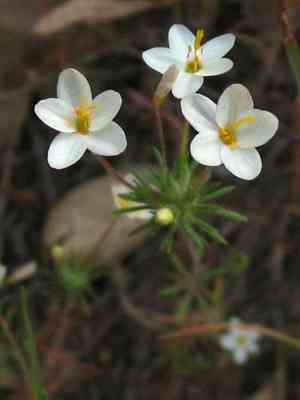
For Linanthus grandiflorus, the period of peak growth—usually from the vigor of late spring through mid-summer—offers the highest likelihood of successful relocation. Select a brightly lit location, shielding nascent plants from severe elements. Careful manipulation fosters robust development.
What Preparations are Needed Before Relocating Variable Linanthus?
What is the Ideal Time for Relocating Variable Linanthus?
The perfect time to move variable linanthus is from mid-spring to early summer. During this period, the ground is warm enough to support root growth, and temperatures are not excessively high, which could stress young plants. Transplanting variable linanthus within this timeframe takes advantage of the season's mild weather, promoting strong development and a vibrant floral display. Establishing variable linanthus in your garden during this phase ensures they begin their life cycle under optimal conditions, leading to a healthy, thriving appearance.
How Much Space Should You Leave Between Variable Linanthus Plants?
When moving your variable linanthus, aim for a separation of 4-6 inches (10-15 cm) between them. This provides ample room for them to grow without competing for nutrients and sunlight.
What is the Best Soil Mix for Variable Linanthus Relocation?
For variable linanthus, prepare a soil that drains well and is rich in organic material. A mild, balanced base fertilizer, such as a 10-10-10 (N-P-K), will give your variable linanthus an excellent start. Mix it into the soil before planting according to the product's instructions.
Where Should You Relocate Your Variable Linanthus?
Select a sunny location for your variable linanthus where they can receive full sun for at least 6 hours daily. They flourish in bright areas, so the more sunlight they get, the better they will grow!
What Equipment Should You Prepare Before Relocating Variable Linanthus?
Gardening Gloves
To safeguard your hands while handling soil and plants.
Garden Trowel
For digging and moving the variable linanthus from its current pot.
Watering Can
To hydrate the variable linanthus before and after relocation to maintain soil moisture.
Garden Spade or Shovel
For larger seedling trays or for excavating the variable linanthus if needed.
Buckets or Containers
To transport the variable linanthus and keep its roots protected during the move.
Pruning Shears
For trimming any excess or dead foliage prior to relocation.
How Do You Remove Variable Linanthus from the Soil?
How Do You Remove Variable Linanthus from the Soil?
From Pot: Gently tap the pot's sides to loosen the soil. Tilt the pot sideways and support the variable linanthus with one hand. Use the other hand to carefully slide the plant out, ensuring not to pull on the stems.From Seedling Tray: Moisten the soil to make it easier to work with. Use a garden trowel to scoop out the variable linanthus seedling, making sure a soil clump with the roots remains intact.From Ground: If the variable linanthus was sown directly in the ground, use a shovel or garden spade to dig a wide circle around the variable linanthus. Carefully lift the plant from the soil, preserving the root ball.
Step-by-Step Guide for Relocating Variable Linanthus
Prep Work
Gently trim any dead or extra foliage from the variable linanthus to direct the plant's energy towards root development after relocation.
Root Care
Inspect the variable linanthus's root ball. If roots are tightly packed, carefully separate them. For potted plants, ensure roots are not circling the bottom. If so, gently untangle them.
Relocation Hole
Dig a hole in the ground slightly larger than the variable linanthus's root ball.
Placement
Position the variable linanthus in the center of the hole. The top of the root ball should be level with the surrounding soil surface.
Backfilling
Fill the area around the root ball with soil, gently pressing down around the base of the variable linanthus to eliminate air pockets.
Watering In
Water the variable linanthus thoroughly after planting to settle the soil around the roots and provide moisture.
How Do You Care For Variable Linanthus After Relocation?
Stabilization
Use stakes or supports if needed to keep the variable linanthus upright until it develops a strong root system.
Monitoring
Regularly observe the variable linanthus for signs of stress like wilting or discolored leaves, which could indicate a need for more water or environmental adjustment.
Gentle Care
Avoid disturbing the soil around the newly relocated variable linanthus except for careful weeding to reduce competition for resources.
Troubleshooting Common Issues with Variable Linanthus Relocation.
When is the best time to relocate variable linanthus seedlings?
Optimal relocation for variable linanthus is during mid-spring to early summer when the soil has warmed.
How far apart should I space variable linanthus when relocating?
Space variable linanthus seedlings approximately 4-6 inches (10-15 cm) apart to ensure adequate room for growth.
Why is my variable linanthus wilting after relocating?
Wilting may occur due to transplant shock. Ensure proper watering and avoid direct sunlight for a few days.
How deep should the holes be when relocating variable linanthus?
Dig holes just large enough to accommodate the root ball, keeping the base level with the soil surface.
Can variable linanthus be relocated in containers?
Absolutely! Variable linanthus can thrive in containers as long as there is sufficient drainage and space.
How much water does variable linanthus need after relocating?
Water generously immediately after relocating and then maintain consistent moisture without waterlogging the soil.
What kind of soil is best for relocating variable linanthus?
Use well-draining soil with compost mixed in to provide a nutrient-rich environment for variable linanthus.
Should I use fertilizer when relocating variable linanthus?
Fertilizer isn't necessary at transplant. Wait a few weeks before applying a balanced, slow-release fertilizer.
How to protect variable linanthus from pests during relocating?
Check the plant for pests before relocating, and use organic pest control methods if necessary.
What to do if variable linanthus doesn't bloom after relocating?
Be patient; variable linanthus may take time to adjust. Ensure it's getting enough sunlight and check for nutrient deficiencies.



