The Variable linanthus Plant Advantage: Maximizing Home and Office Appeal and Wellness
1
Variable linanthus is a superb option for drought-tolerant landscaping.
2
This flora is recognized for drawing helpful insects to your outdoor space.
3
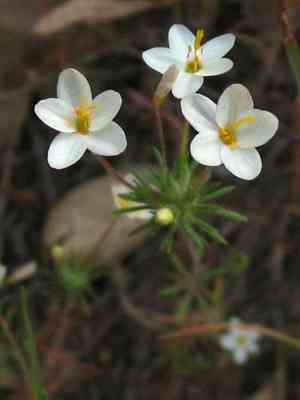
Variable linanthus contributes striking visual charm through its vivid flowers.
Why Consider Variable Linanthus for Your Garden?
A Water-Efficient Option
A key benefit of Variable Linanthus is its ability to withstand dry conditions. This plant excels at surviving with minimal water, making it perfect for drought-tolerant or xeriscape garden designs. Its low water needs can significantly cut down on daily garden upkeep. In areas facing water shortages, integrating Variable Linanthus supports more sustainable water use.
Beneficial for Local Ecosystems
Beyond its visual appeal, Variable Linanthus plays a vital role in supporting local ecosystems. This plant is known to attract various helpful insects, including pollinators like bees and butterflies. These insects contribute to your garden's health by aiding pollination, which is crucial for other plants' growth. Additionally, Variable Linanthus can draw in predatory insects that help manage unwanted garden pests, thus reducing the need for chemical pesticides.
How Does Variable Linanthus Enhance Garden Beauty?
Vibrant Blooms
Variable Linanthus is prized for its striking flowers that come in many colors. The vivid blossoms not only add visual interest but also create a focal point in your garden. These flowers can provide a burst of color during their blooming seasons, improving the overall look of any garden space.
Landscaping Adaptability
The versatility of Variable Linanthus allows it to fit seamlessly into various garden styles, from rock gardens to flower beds. Its compact size and low-growing habit make it suitable for edging paths, creating borders, or even as a ground cover. This adaptability offers gardeners numerous creative options for incorporating Variable Linanthus into their landscapes.
What Are the Growing Requirements for Variable Linanthus?
Soil Preferences
Variable Linanthus thrives best in soil that drains well. It can perform effectively in various soil types, including sandy and rocky substrates. Enriching the soil with organic matter can improve its drainage and further support the healthy development of Variable Linanthus.
Sunlight Needs
Variable Linanthus prefers sunny to partly shaded locations. While it can endure some shade, planting it where it receives ample sunlight will result in the most abundant blooms. Consider placing Variable Linanthus in spots where it can get morning sun and some afternoon shade for optimal growth.
Can Variable Linanthus Improve Soil Quality?
Erosion Prevention
Variable Linanthus is effective at preventing soil erosion, especially on slopes and embankments. Its root system helps to stabilize the soil, lowering the risk of erosion. Planting Variable Linanthus in areas prone to erosion offers a natural method of soil conservation.
Soil Fertility
While Variable Linanthus doesn't require highly fertile soil to flourish, its presence can enhance overall soil health. By breaking up compacted soil and promoting better air circulation, Variable Linanthus helps improve the health and fertility of the surrounding area. This can benefit nearby plants, contributing to a more robust and productive garden.



