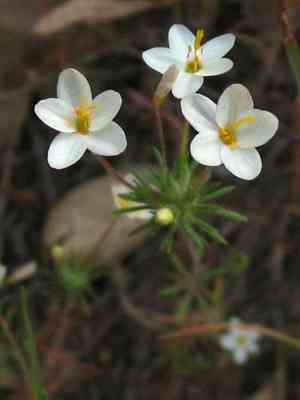
Variable linanthus (Leptosiphon parviflorus)
Also known as: Common Linanthus, Desert Snow, Small Flowered Linanthus
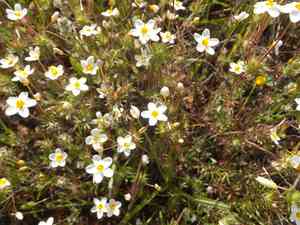
The variable **Linanthus** is frequently found in both wooded and open regions across much of California. This annual herb is known for its appealing flowers, which can come in a range of colors including pink, purple, yellow, and white. The height of its stem also varies, adding to its diverse and attractive appearance.
In This Article
Attributes of Variable linanthus
Lifespan
Annual
Plant Type
Herb
Plant Height
25 cm
Spread
30 cm
Leaf Color
Green
Flower Size
6 mm
Flower Color
White Purple Pink
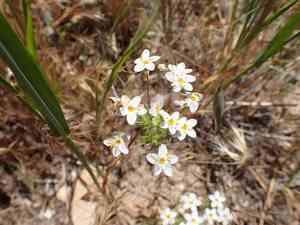
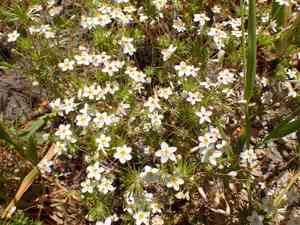
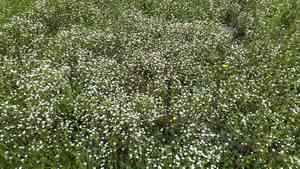
Images of Variable linanthus
Quickly Identify Variable linanthus
1
To identify Leptosiphon parviflorus, look for a low-growing herb with needle-like leaves and tiny, star-shaped flowers, usually white or pale pink with a yellow throat. It typically blooms in the spring and thrives in dry, sandy soils.
Scientific Classification of Variable linanthus
Phylum
Vascular plants
Class
Dicotyledons
Order
Ericales
Family
Phlox
Genus
Leptosiphon
Species
Variable linanthus
Planting and Growing of Variable linanthus
Care Difficulty
Easy
Watering Schedule
Every 2 days
Sunlight Requirements
Full sun
Sunshine Duration
4-8 hours
Ideal Temperature
60-70℉
Soil Type
Potting Mix, Peat Mix
Soil pH
6.5-7.5
Fertilizer Type
Balanced
Pruning Season
Spring, Summer
Pruning Area
Branches, Leaves
Pruning Frequency
2 times a year
Repotting Season
Spring
Pot Type
Plastic, Ceramic
 How to Water Variable linanthus?
Leptosiphon parviflorus prefers a moderate amount of water. When watering, aim to moisten the soil evenly but avoid soaking it. A thorough watering of about 250 ml is generally sufficient per session, as it ensures the soil stays damp but not waterlogged. This amount is optimal to mimic its natural environment and prevent root decay.
What are the symptoms of an underwatered Variable linanthus?
›
What should I do if my Variable linanthus is not getting enough water?
›
What are the symptoms of an overwatered Variable linanthus?
›
How to save an overwatered Variable linanthus?
›
 What Are the Sunlight Requirements for Variable linanthus?
Leptosiphon parviflorus is best suited for full to partial sun environments, ensuring robust growth and vibrant blooms.
How much sunlight does Leptosiphon parviflorus need?
›
What kind of environment can enhance its growth?
›
What are the benefits of ideal sunlight conditions for this plant?
›
 What Is the Ideal Temperature Range for Variable linanthus?
The ideal temperature range for Leptosiphon parviflorus is crucial for its optimal growth and blooming. It thrives best between 60°F and 70°F. Maintaining this range ensures robust health, vibrant blooms, and reduces the risk of diseases commonly associated with temperature stress.
 What Soil is Best for Variable linanthus?
Leptosiphon parviflorus thrives in well-drained soil, which prevents waterlogging and root rot. Ensuring good drainage keeps the roots healthy and enhances plant growth by providing the necessary aeration to the roots. This plant benefits from nutrient-rich soil, which provides the essential minerals and nutrients required for robust growth and vibrant blooms. Enriching the soil with organic matter can significantly enhance plant health. Although Leptosiphon parviflorus prefers well-drained soil, maintaining consistent moisture levels without making the soil soggy is crucial. Adequate moisture supports its growth phases and helps in optimal flowering.
 How to Fertilize Variable linanthus?
When fertilizing Leptosiphon parviflorus, a light hand is needed. Use a balanced liquid fertilizer with a ratio like 10-10-10 at a rate of 1/2 teaspoon per gallon of water. This will provide the plant with essential nutrients without overwhelming its delicate root system.
 How to Prune Variable linanthus?
Perform pruning in the cooler parts of the day during the recommended seasons: spring and summer. This avoids heat stress that can occur from pruning in intense sunlight and high temperatures. Carefully examine the plant and identify weak, damaged, or crossing stems. Begin by removing these, which will help improve air circulation and allow sunlight to reach the inner parts of the plant. Gradually prune the plant to maintain its desired shape. Focus on creating a balanced appearance, and encourage new growth by cutting back just above a leaf node or bud.
More About Pruning Techniques→
 How to Propagate Variable linanthus plant?
1
Collect mature seeds from the plant when the seed pods have dried out. Clean them gently to remove any debris and store them in a cool, dry place until you are ready to sow.
2
Fill a seed tray with a well-draining seed-starting mix. Scatter the seeds thinly over the surface, and lightly cover them with a thin layer of soil. Mist the soil gently to settle the seeds.
3
Place the seed tray in a warm, bright location but away from direct sunlight. Monitor the soil moisture, keeping it damp but not waterlogged. Germination should occur in two to three weeks.
 How to Repot Variable linanthus plant?
1
Repot when growth slows or roots protrude from the drainage holes. These signals indicate that the plant might be pot-bound and in need of fresh soil and space.
2
Select a pot that is slightly larger than the current one, with good drainage. This will ensure healthy root growth and prevent waterlogging, which can lead to root rot.
3
Opt for well-draining sandy loam to mimic its natural habitat, preventing water accumulation and promoting good aeration crucial for healthy root development.
Learn More About Variable linanthus Diseases
Anthracnose
Bacterial Leaf Spot
Bacterial Wilt
Chemical Injury
Damping-off
Downy Mildew
Drought Stress
Fusarium Wilt
Gray Mold
Leaf Curl
Leaf Spot
Mosaic
Nutrient Deficiency
Nutrient Toxicity
Powdery Mildew
Root Rot
Root-knot Nematode
Rusts
Sooty Mold
Spider Mites
Temperature Stress
Thrips Damage
White Mold



