How to Prune Variable linanthus?
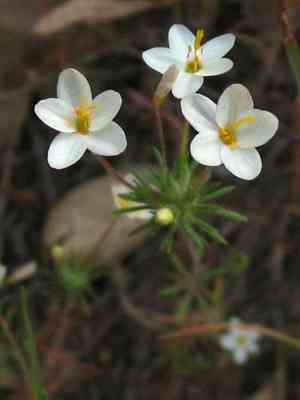
Graced with fragile blossoms, variable linanthus flourishes with infrequent trimming. Removing spent flowers boosts vitality and stimulates additional flowering. Perform light pruning in spring to sculpt and foster robust development. Deadheading throughout summer may induce a subsequent bloom, and eliminating withered stalks in autumn prevents self-propagation. Strategic pruning aids variable linanthus by preserving an appealing structure and guaranteeing prolific blooming during its active periods.
Advantages of Trimming Variable Linanthus
Advantages of Trimming Variable Linanthus
Trimming variable linanthus promotes vigorous development and helps maintain an ideal form, ensuring a neat look and fostering healthier, fuller expansion.
Optimal Period for Pruning Variable Linanthus
Optimal Period for Pruning Variable Linanthus
Pruning variable linanthus in Late Spring is perfect, occurring after the final frost as the plant begins its active growth phase. Early Summer trimming aligns with the immediate post-flowering period, enabling gardeners to remove faded blossoms and encourage a potential second bloom, while preventing heat stress on variable linanthus. Fall pruning is beneficial for eliminating any dead or diseased growth before dormancy, which can enhance variable linanthus's vitality for the subsequent growing season. These periods ensure the plant sustains its health and maximizes its flowering capacity without disrupting its natural growth cycle.
Necessary Tools for Pruning Variable Linanthus
Hand Pruners
For variable linanthus, a delicate, fine-stemmed plant, sharp hand pruners are ideal for making clean cuts that won't harm the stems. Hand pruners allow for precision when trimming spent blooms or thinning the plant to improve air circulation.
Scissors
Smaller scissors are suitable for variable linanthus when individual flowers need removal or light snipping is required. They provide the control needed for precise cuts without disturbing nearby plant parts.
Gloves
Though not a cutting tool, gloves protect the gardener's hands from any sharp edges or unexpected irritants during variable linanthus pruning.
How to Prune Variable Linanthus
Sanitize tools
Before pruning variable linanthus, ensure your pruning tools are clean and sterilized to prevent disease transmission.
Examine
Carefully inspect variable linanthus to identify withered leaves that need removal. Focus on leaves that are dead, discolored, or appear unhealthy.
Remove withered leaves
Using your sanitized tools, cut the withered leaves at the base of their stem. Be careful not to damage the healthy sections of variable linanthus.
Discard
Safely dispose of the removed withered leaves to prevent any potential disease or pest spread in the garden.
Tidy up
After pruning variable linanthus, clean your tools again and ensure the surrounding area is free of debris to maintain a healthy environment for the plant.
Common Pruning Errors with Variable Linanthus
Excessive pruning
Cutting back variable linanthus too severely can lead to fewer flowers and weaken the plant. Variable linanthus benefits from a gentle approach, as overzealous pruning might remove parts of the plant that would produce blooms.
Incorrect tool usage
Using dull or dirty pruning tools can damage the stems of variable linanthus. Clean, sharp tools are essential for making clean cuts that heal quickly and reduce disease risk.
Trimming healthy growth
Removing healthy growth indiscriminately can hinder variable linanthus's flourishing. It's crucial to target dead or diseased stems, rather than pruning without purpose.
Neglecting deadheading
Failing to regularly remove spent flowers (deadheading) can prevent variable linanthus from producing as many blooms, as it will prioritize seed production over new growth.
Ignoring plant form
Not considering the natural shape of variable linanthus when pruning can result in a less aesthetically pleasing plant that doesn't grow or flow as well.
General Pruning Advice for Variable Linanthus
Gentle trimming
Variable linanthus's delicate structure only requires light pruning. Gently trim away dead or damaged stems to encourage healthy growth and improve air circulation.
Regular upkeep
Regularly inspect variable linanthus and remove spent blooms (deadheading) to promote continuous flowering throughout the growing season.
Focus on damaged stems
Concentrate pruning efforts on stems that are diseased, damaged, or dead to maintain the health and appearance of variable linanthus, and to foster more vigorous growth.
Use of clean tools
Always use clean and sharp pruning shears when cutting back variable linanthus to avoid introducing diseases and to ensure precise cuts that promote faster healing.
Cutting method
When pruning variable linanthus, make cuts at a 45-degree angle just above a leaf node to facilitate healthy regrowth and discourage water retention that could lead to disease.



