How to Transplant Narrowflower flaxflower?
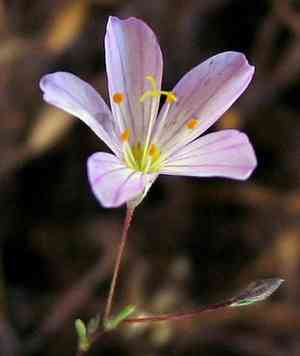
Narrowflower flaxflower flourishes when relocated from the beginning to the end of spring, benefiting from ideal temperatures and ground conditions. Position it in areas with good drainage and ample sunlight to foster vigorous development. Only move the plant once seedlings possess strong root systems to lessen shock.
What Preparations are Needed Before Transplanting Narrowflower Flaxflower?
What is the Ideal Time for Transplanting Narrowflower Flaxflower?
The best period for relocating narrowflower flaxflower is from the beginning to the end of spring. This ensures the plant benefits from the warming ground and increasing daylight, encouraging strong root development and vigorous growth. Transplanting at this time maximizes the plant's establishment and blooming potential, laying a strong foundation for a healthy growing season.
How Much Space Should You Leave Between Narrowflower Flaxflower Plants?
When transplanting narrowflower flaxflower, it's advisable to maintain a spacing of 6-12 inches (15-30 cm). This provides ample room for the plants to grow without overcrowding, ensuring their healthy development.
What is the Best Soil Mix for Narrowflower Flaxflower Transplanting?
Prepare well-draining soil enriched with organic compost for transplanting narrowflower flaxflower. This ensures the plants receive the necessary nutrients. An all-purpose base fertilizer can be incorporated to support their growth.
Where Should You Relocate Your Narrowflower Flaxflower?
Select a sunny location for transplanting narrowflower flaxflower. This plant thrives in full sunlight, so aim for a spot that receives at least 6 hours of sun daily to promote its growth.
What Equipments Should You Prepare Before Transplantation Narrowflower Flaxflower?
Gardening Gloves
To safeguard your hands while handling soil and plants.
Trowel or Small Shovel
For digging around the plant and creating a new planting hole.
Shovel or Spade
To excavate a wider trench around the plant and lift it with its root ball intact.
Watering Can or Hose
To hydrate the plant before removal and after transplanting to help settle the soil.
Garden Fork
To gently loosen the root ball from the ground or container.
Wheelbarrow
To move the plant and its root ball to the new site if necessary.
Mulch
To help maintain soil moisture after transplanting.
How Do You Remove Narrowflower Flaxflower from the Soil?
How Do You Remove Narrowflower Flaxflower from the Soil?
From Ground: First, water the narrowflower flaxflower plant to moisten the soil. Then, dig a wide trench around the plant using a shovel or spade, ensuring the plant's root ball remains undisturbed. Carefully work the spade beneath the root ball to lift the plant from its original spot.From Pot: Begin by watering the narrowflower flaxflower plant to loosen the soil. Gently turn the pot on its side and tap the bottom to release the plant. Carefully remove the plant by holding the base and pulling it out, avoiding damage to the roots.From Seedling Tray: Water the narrowflower flaxflower seedlings thoroughly before removing them. Use a small trowel or garden fork to gently lift the seedlings from the tray, being careful not to harm the delicate roots.
Step-by-Step Guide for Transplanting Narrowflower Flaxflower
Site Preparation
Ensure the chosen location is properly prepared with suitable soil and spacing. Clear away any weeds or debris from the area.
Digging the Hole
Excavate a hole in the new location that is twice as wide and just as deep as the root ball of the narrowflower flaxflower plant. This allows the roots to spread out easily.
Remove Plant with Care
Gently remove the narrowflower flaxflower plant from its original location (ground/pot/seedling tray) as described in the removal process.
Planting
Place the narrowflower flaxflower plant in the hole. Ensure the top of the root ball is level with the surrounding soil. Fill the hole with soil, pressing gently to eliminate air pockets.
Watering
Water the freshly transplanted narrowflower flaxflower plant generously to help settle the soil around the roots. Ensure the water penetrates deeply into the soil.
How Do You Care For Narrowflower Flaxflower After Transplanting?
Watering
Keep the soil around the narrowflower flaxflower consistently moist, but not waterlogged, for the initial few weeks after transplanting to aid in establishing strong roots.
Mulching
Apply a layer of mulch around the base of the plant to retain soil moisture, suppress weeds, and regulate soil temperature.
Monitoring
Check the narrowflower flaxflower regularly for signs of stress, such as wilting or yellowing leaves, and take corrective actions like adjusting watering practices.
Support
If necessary, provide staking or other forms of support to help the narrowflower flaxflower maintain an upright position until it becomes well-established.
Troubleshooting Common Issues with Narrowflower Flaxflower Transplantation.
When is the best time to transplant narrowflower flaxflower?
The ideal time is from early spring to late spring for optimal growth and adaptation.
What is the recommended spacing for transplanting narrowflower flaxflower?
Space the plants 6-12 inches (15-30 cm) apart to ensure proper growth.
How deep should you plant narrowflower flaxflower seedlings?
Plant seedlings at the same depth they were growing in their pots to avoid stress.
What type of soil is best for narrowflower flaxflower?
Well-drained, sandy or loamy soil is ideal for narrowflower flaxflower to prevent root rot and waterlogging.
How should I prepare the soil before transplanting narrowflower flaxflower?
Loosen the soil and mix in compost to provide nutrients and improve drainage.
How do I minimize transplant shock for narrowflower flaxflower?
Water the plants thoroughly before and after moving to reduce stress and aid establishment.
What environmental conditions are best for transplanting narrowflower flaxflower?
Choose a cloudy or late afternoon to transplant, avoiding direct midday sun.
Should I fertilize narrowflower flaxflower after transplanting?
Wait a few weeks before fertilizing to allow the plant to adjust to its new environment.
How often should narrowflower flaxflower be watered after transplanting?
Water regularly but ensure soil doesn't become waterlogged. The soil should be moist, not soggy.
Can I mulch narrowflower flaxflower after transplanting?
Yes, applying mulch will help retain moisture and protect young plants from temperature fluctuations.



