How to Prune Narrowflower flaxflower?
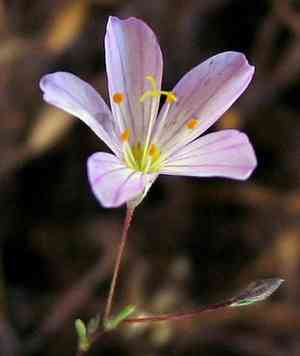
Narrowflower flaxflower is an attractive, diminutive plant recognized for its slender, graceful blossoms. Trim narrowflower flaxflower consistently to preserve its dense form and stimulate additional flowering. The ideal periods for trimming are during spring, summer, and autumn, aligning with its developmental stages. Concentrate on excising deceased or compromised stalks and lightly snip fresh shoots to foster a fuller appearance. Consistent trimming improves the plant's general well-being and aesthetic quality, guaranteeing a more robust and abundant floral presentation.
Advantages of Trimming Narrowflower Flaxflower
Advantages of Trimming Narrowflower Flaxflower
Narrowflower flaxflower benefits from trimming to encourage robust development and maintain its form, promoting healthy growth, enhancing blooms, and lowering risks of pests and diseases. Pruning fosters denser foliage, improved air circulation, and a more appealing overall look, ensuring an optimal growing environment.
Optimal Pruning Period for Narrowflower Flaxflower
Optimal Pruning Period for Narrowflower Flaxflower
Spring and early Summer are ideal for pruning narrowflower flaxflower as this timing allows the plant to establish strong growth early in the season. Trimming in Spring also helps stimulate new growth and enhances blooming potential. Pruning in late Summer to early Fall is beneficial for maintaining shape and removing any dead or diseased wood before the plant enters dormancy. The plant is less active during these periods, which reduces the stress on narrowflower flaxflower and promotes better healing of cuts. Avoid pruning during the peak bloom or fruiting times to prevent disruption of the flowering process.
Essential Tools for Pruning Narrowflower Flaxflower
Bypass Pruners
Bypass pruners are perfect for narrowflower flaxflower because they deliver clean cuts that minimize harm to the delicate stems. These are crucial for the precision needed when shaping and removing dead sections without crushing the plant tissue.
Precision Shears
Precision shears are suitable for detailed pruning tasks on narrowflower flaxflower. Their small, sharp blades allow for accurate trimming of fine stems and ensure minimal disruption to the overall plant structure.
Hand Pruners
Hand pruners are useful for trimming slightly thicker stems and branches of narrowflower flaxflower. They offer better leverage and control, which is valuable for maintaining the plant's appearance and health.
Pruning Scissors
Pruning scissors are recommended for narrowflower flaxflower given their ability to handle the fine and detailed trimming needed. These are especially helpful for deadheading spent blooms or cutting back soft growth.
How to Prune Narrowflower Flaxflower
Assess
Examine narrowflower flaxflower thoroughly to identify all the withered leaves that need to be pruned. This will help in determining the scope of the pruning required.
Clean
Sterilize your pruning tools to prevent any potential spread of disease. Use a solution of 70% isopropyl alcohol or a mixture of 1 part bleach to 9 parts water.
Cut
Using a pair of sharp, clean scissors or pruners, carefully trim away the withered leaves at the base where they connect to stems. Ensure clean cuts to promote healthy regrowth.
Dispose
Collect and dispose of all pruned material properly. Do not leave pruned leaves on the soil surface as this may attract pests or lead to fungal growth.
Inspect
After pruning, inspect narrowflower flaxflower for any additional signs of disease or pest infestation. Address any issues promptly to maintain plant health.
Common Pruning Errors with Narrowflower Flaxflower
Improper Technique
One common mistake is using dull or dirty pruning tools, which can cause damage to the plant tissue and increase the risk of disease. Additionally, making ragged cuts instead of clean ones can hinder the plant's healing process.
Over-pruning
Removing too much of the plant at once can stress narrowflower flaxflower and reduce its ability to photosynthesize. Over-pruning can also lead to less flowering and a weaker plant overall.
Incorrect Pruning Points
Pruning too far from or too close to a node (the point where a leaf attaches to the stem) can cause dieback and affect the plant's structure and health.
Neglecting Deadheading
Narrowflower flaxflower benefits from regular deadheading, and failing to remove spent flowers can result in reduced flowering and overall vitality.
General Pruning Advice for Narrowflower Flaxflower
Use Clean Tools
Always use sharp, clean pruning shears or scissors to make precise cuts and minimize damage to the plant.
Prune Sparingly
Trim back only the necessary parts of narrowflower flaxflower to maintain its shape and remove dead or damaged growth. Aim to remove no more than a third of the plant's growth at a time to avoid stress.
Cut Above Nodes
Make pruning cuts just above a node to ensure healthy new growth. Make sure to cut at a slight angle to prevent water from collecting on the cut surface.
Regular Deadheading
Remove spent flowers regularly to encourage continuous blooming and keep the plant looking tidy. Cut back the flower stems to just above a set of healthy leaves.



