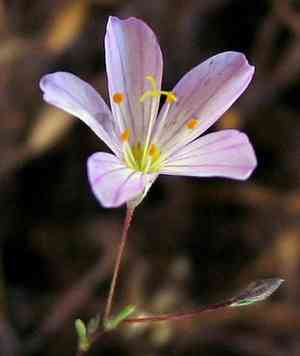
Narrowflower flaxflower (Leptosiphon liniflorus)
Also known as: Woodland Phlox, Linanthus liniflorus
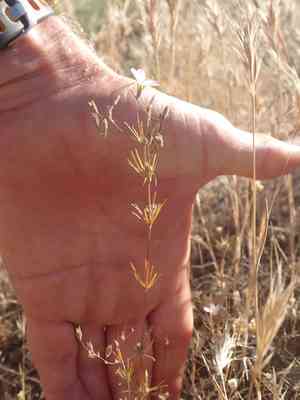
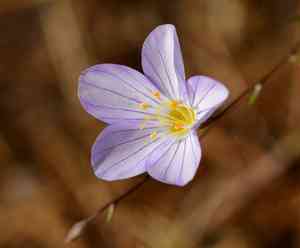
Leptosiphon liniflorus is an annual herb characterized by its slender stem, which typically grows between 10 and 50 centimeters in height. Its leaves are segmented into narrow, needle-like lobes, each reaching up to 3 centimeters long. The plant features an inflorescence of funnel-shaped white flowers with purple veins, and the corolla lobes can be up to 1 centimeter in length. It typically blooms from spring to summer.
In This Article
Attributes of Narrowflower flaxflower
Lifespan
Annual
Plant Type
Herb
Plant Height
5-30 cm
Spread
15-30 cm
Leaf Color
Green
Flower Size
1-1.5 cm
Flower Color
White to pale purple
Images of Narrowflower flaxflower
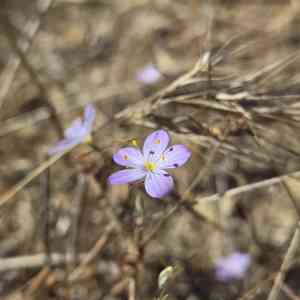
Quickly Identify Narrowflower flaxflower
1
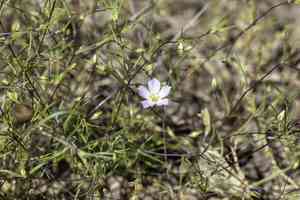
Leptosiphon liniflorus can be identified by its needle-like leaves, small white to pale purple flowers, and its low-growing, delicate habit.
Scientific Classification of Narrowflower flaxflower
Phylum
Vascular plants
Class
Dicotyledons
Order
Ericales
Family
Phlox
Genus
Leptosiphon
Species
Narrowflower flaxflower
Planting and Growing of Narrowflower flaxflower
Care Difficulty
Moderate
Watering Schedule
Every 2 days
Sunlight Requirements
Partial sun
Sunshine Duration
6-10 hours
Ideal Temperature
60-75℉
Soil Type
Potting Mix, Peat Mix
Soil pH
6.5-7.5
Fertilizer Type
Balanced
Pruning Season
Spring, Summer
Pruning Area
Branches, Leaves
Pruning Frequency
2 times a year
Repotting Season
Spring
Pot Type
Plastic, Ceramic
 How to Water Narrowflower flaxflower?
For Leptosiphon liniflorus, it's important to provide around 150 ml of water per session. The soil should be kept moderately moist, allowing the top inch of the soil to dry out before watering again. This ensures adequate hydration while preventing waterlogging.
What are the symptoms of an underwatered Narrowflower flaxflower?
›
What should I do if my Narrowflower flaxflower is not getting enough water?
›
What are the symptoms of an overwatered Narrowflower flaxflower?
›
How to save an overwatered Narrowflower flaxflower?
›
 What Are the Sunlight Requirements for Narrowflower flaxflower?
Partial sun to half sun exposure is perfect for Leptosiphon liniflorus, enhancing its ability to photosynthesize efficiently. Ideal light support maintains lush foliage and abundant, vibrant blooms.
What kind of light does Leptosiphon liniflorus prefer?
›
How can you ensure Leptosiphon liniflorus gets ideal light?
›
What benefits does Leptosiphon liniflorus gain from ideal lighting?
›
 What Is the Ideal Temperature Range for Narrowflower flaxflower?
For optimal growth, Leptosiphon liniflorus thrives best in temperatures ranging from 60°F to 75°F. Maintaining temperatures within this range during the growing season enhances photosynthetic efficiency, minimizes stress, and helps the plant maintain its turgor pressure for robust growth.
 What Soil is Best for Narrowflower flaxflower?
Leptosiphon liniflorus thrives in soil that offers excellent drainage to prevent root rot. This is crucial for healthy growth as it ensures that the roots receive the necessary aeration and prevents waterlogging. While Leptosiphon liniflorus is quite adaptable, it benefits from soils enriched with organic material. This provides nutrients necessary for vibrant blooming and sustained growth throughout its lifecycle. The soil should retain some moisture without becoming soggy. Balance is key to ensuring that the roots stay hydrated without the risk of fungal diseases caused by excess water.
 How to Fertilize Narrowflower flaxflower?
For Leptosiphon liniflorus, apply a light dose of liquid fertilizer, approximately 1/4 the recommended amount on the fertilizer package. For slow-release fertilizers, use a small teaspoon distributed evenly around the plant base. This light feeding ensures the plant receives nutrients without overwhelming its root system.
 How to Prune Narrowflower flaxflower?
Begin by identifying any dead or damaged stems, as these are the first to go. Use clean, sharp scissors or gardening shears to make precise cuts just above a node or set of leaves. This encourages the plant to redirect its energy to producing new, healthy growth. Remember to also thin out dense areas to increase air circulation and allow more light to penetrate the plant. It's essential to maintain the plant's naturally bushy shape, so trim evenly around its perimeter.
More About Pruning Techniques→
 How to Propagate Narrowflower flaxflower plant?
1
Begin by preparing a well-draining soil mix that is slightly acidic to neutral. Incorporate organic matter to enhance fertility and aeration, ensuring optimal conditions for seed germination and early seedling growth.
2
Sow Leptosiphon liniflorus seeds on the surface of the prepared soil. Lightly press them into place without completely covering them; exposure to light facilitates germination. Water gently to avoid displacing the seeds.
3
Maintain consistent moisture in the soil without overwatering, as excessive moisture can cause seed rot. Monitor for seedling emergence, usually within two to four weeks, and thin out crowded seedlings to promote healthy growth.
 How to Repot Narrowflower flaxflower plant?
1
Signs that Leptosiphon liniflorus needs repotting include roots growing out of the drainage holes, slowed growth, and soil that dries out too quickly after watering. Spring and summer are ideal seasons for repotting as the plant will recover swiftly during its active growth period.
2
Opt for a pot that is one size larger than the current one with good drainage holes. A slightly larger pot prevents root constriction and allows room for growth, but ensures soil doesn't remain too wet, which can lead to root rot.
3
Select a well-draining potting mix, such as one containing sand or perlite. This ensures that excess water flows out efficiently, which helps keep the roots healthy and prevents root rot—a common issue with poor drainage.
Learn More About Narrowflower flaxflower Diseases
Anthracnose
Bacterial Leaf Spot
Bacterial Soft Rot
Bacterial Wilt
Chemical Injury
Crown Gall
Cyst Nematode
Damping-off
Downy Mildew
Drought Stress
Fusarium Wilt
Gray Mold
Leaf Curl
Leaf Spot
Mosaic
Nutrient Deficiency
Nutrient Toxicity
Powdery Mildew
Root Rot
Root-knot Nematode
Rusts
Sooty Mold
Spider Mites
Temperature Stress
Thrips Damage
White Mold



