How to Propagate Narrowflower flaxflower?
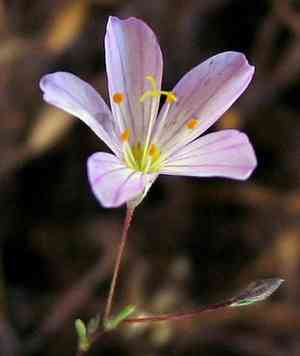
Gilia linearis, an attractive yearly wild bloom, is a member of the Polemoniaceae botanical group. To cultivate Gilia linearis, scatter seeds directly onto the earth's surface and gently press them down, ensuring good contact between the seed and the substrate. Utilize a soil mixture that drains effectively in a sun-exposed area to foster peak development. Maintain consistent soil dampness, avoiding saturation, until the seeds sprout. Young plants generally appear within fourteen days. Limited nutrient supplementation is necessary.
Optimal Period for Narrowflower Flaxflower Propagation
Propagation Method
Seeding
Propagation Period
Spring
Tools Required for Narrowflower Flaxflower Propagation
Seed Tray
Utilized for sowing narrowflower flaxflower seeds. It offers a controlled environment for sprouting, ensuring consistent moisture and protection from pests.
Seed Starting Mix
A premium, sterile substrate that aids in the germination of narrowflower flaxflower seeds by supplying vital nutrients and good drainage.
Fine Mist Sprayer
Crucial for gently watering newly sown narrowflower flaxflower seeds, preventing seed displacement and ensuring uniform moisture distribution.
Heat Mat
Maintains a steady soil temperature, which is essential for the germination of narrowflower flaxflower seeds, particularly in cooler settings.
Humidity Dome
Establishes a micro-climate with elevated humidity levels, encouraging quicker germination and reducing the risk of seedling desiccation for narrowflower flaxflower.
Seed Label Markers
Helps monitor narrowflower flaxflower seedlings, ensuring correct identification and care throughout the propagation process.
Precision Tweezers
Useful for handling small narrowflower flaxflower seeds with care, preventing damage during the sowing process.
How to Propagate Narrowflower Flaxflower?
Propagation Type
Simple
Caring for Your Newly Propagated Narrowflower Flaxflower
Caring for Your Newly Propagated Narrowflower Flaxflower?
Once seedlings are established, gradually introduce them to outdoor conditions. Plant them in a well-drained, sunny spot. Water regularly, but allow the soil to dry out between watering. Mulching can help retain moisture and control weeds. Fertilize lightly with a balanced, organic fertilizer during the growing season to support healthy growth and flowering.
Common Errors to Avoid When Propagating Narrowflower Flaxflower
Overwatering
Excessive moisture can lead to root rot, which ultimately hinders growth and can cause the plant to perish.
Seedling Transplant Shock
Rough handling during relocation can harm the delicate root system, which can stunt growth or kill the plant.
Inadequate Light
Insufficient light can result in weak, elongated plants that struggle to flourish.
Poor Soil Quality
Using soil that drains poorly or lacks nutrients can impede root development and slow down growth.
Improper Spacing
Overcrowding seedlings can lead to competition for resources, resulting in less vigorous growth.
Tips For Propagating Narrowflower Flaxflower
Use Well-Draining Soil
Ensure the soil mixture has excellent drainage to prevent waterlogging and root rot.
Handle Seedlings Carefully
Gently transplant seedlings to avoid damaging their roots, which are crucial for healthy growth.
Ensure Adequate Light
Provide ample sunlight or grow-light exposure to promote strong, healthy growth.
Maintain Optimal Moisture
Water the soil just enough to keep it moist but not soggy, preventing root diseases.
Provide Proper Spacing
Space seedlings adequately to ensure they have enough room to grow without competing for nutrients.



