How to Transplant Common pepperweed?
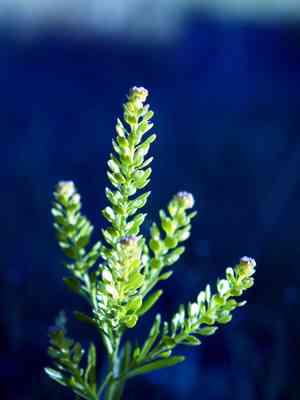
The most suitable time to transplant common pepperweed is in mid-spring, following the last frost when vigorous development begins. Select bright, adequately drained spots. Undertake relocation solely if congestion necessitates it, given that common pepperweed generally flourishes in its original planting site.
What Preparations are Needed Before Transplanting Common Pepperweed?
What is the Ideal Time for Transplanting Common Pepperweed?
The optimal period to relocate common pepperweed is during spring's gentle advance, once frost has receded and growth is prime. Giving your common pepperweed the chance to establish itself in these warmer, yet not scorching, months maximizes its vigor, ensuring a more abundant bloom. This timing allows roots to settle well before summer's heat and provides ample time for natural growth cycles. By aligning with nature's rhythm in this manner, your common pepperweed has the best opportunity to flourish.
How Much Space Should You Leave Between Common Pepperweed Plants?
When preparing to rehome your common pepperweed seedlings, aim for a comfortable spacing of approximately 4-6 inches (10-15 cm) between them. This provides each small plant sufficient room to develop and thrive without competing for essential resources.
What is the Best Soil Mix for Common Pepperweed Transplanting?
For the healthiest common pepperweed plants, combine a fertile loamy soil with some organic compost as a foundational fertilizer. This will give your seedlings an initial boost and set them up for successful growth from the outset.
Where Should You Relocate Your Common Pepperweed?
Your common pepperweed will flourish in a sunny garden spot that receives ample daylight. Choose a location that gets full sun to encourage robust growth and plentiful foliage.
What Equipments Should You Prepare Before Transplantation Common Pepperweed?
Gardening Gloves
To safeguard your hands while handling soil and plants.
Trowel
For excavating small holes and refining the transplant location.
Garden Shovel or Spade
For efficiently and carefully lifting the plant's root mass.
Watering Can or Hose
To thoroughly hydrate the plant before and after relocation.
Pruning Shears
To trim any dead or damaged roots or leaves if necessary.
Wheelbarrow or Garden Cart (optional)
For easily moving the plant and soil if needed.
How Do You Remove Common Pepperweed from the Soil?
How Do You Remove Common Pepperweed from the Soil?
From Ground: First, moisten the common pepperweed plant by watering the soil. Next, dig a wide trench around the plant using a shovel or spade, ensuring the plant's root ball remains intact. Carefully work the spade beneath the root ball to lift the plant from its original spot.From Pot: Start by watering the common pepperweed to dampen the soil. Tilt the pot sideways and gently tap or squeeze its sides to loosen the soil. Then, slowly and carefully extract the plant, holding it by the base while supporting the root ball.From Seedling Tray: Water the seedlings to moisten the surrounding soil. Use a trowel or similar tool to gently separate individual common pepperweed seedlings, making sure to include as much of the root system and surrounding soil as possible without disturbing the roots.
Step-by-Step Guide for Transplanting Common Pepperweed
Digging the Hole
Excavate a hole at the new site that is twice the width of the root ball and of equal depth, allowing the common pepperweed to be planted at its original soil level.
Root Inspection
Examine the root ball for any indications of disease or pests, and trim away any compromised roots with pruning shears.
Placement
Position the common pepperweed in the center of the prepared hole, carefully spreading out its roots.
Fill the Hole
Gently backfill the hole with soil, patting it down around the root ball to eliminate any air pockets.
Watering
After planting, thoroughly water the common pepperweed to help settle the soil around the roots and encourage recovery from transplant shock.
Staking (if necessary)
If the common pepperweed is tall or in a windy location, insert a stake into the ground and loosely tie the plant to it for support.
How Do You Care For Common Pepperweed After Transplanting?
Monitoring
Observe the common pepperweed for signs of transplant shock, such as wilting or leaf drop, which is normal but should be temporary.
Support
If staking was needed, check the ties regularly to ensure they are not too tight and harming the plant.
Pruning
If you notice dead or dying leaves, remove them to help the common pepperweed direct its energy towards establishing new roots and growth.
Mulching
Apply a layer of organic mulch around the plant's base to help retain soil moisture and suppress weeds.
Pest Control
Watch for pests and address any infestations promptly to prevent them from establishing and damaging the newly transplanted common pepperweed.
Troubleshooting Common Issues with Common Pepperweed Transplantation.
Why are my common pepperweed seedlings wilting after transplant?
Wilting may be due to root shock. Transplant gently and water immediately to lessen stress.
What's the ideal time to transplant common pepperweed?
The best time for relocating common pepperweed is during mid to late spring once the frost has passed.
What spacing is needed between common pepperweed when transplanting?
Space common pepperweed approximately 4-6 inches (10-15 cm) apart to allow for growth and proper air circulation.
How deep should I plant common pepperweed seedlings?
Transplant common pepperweed at the same depth they were growing in their pots, to ensure roots establish without exposure.
Can common pepperweed be transplanted on a hot day?
It's best to transplant common pepperweed on an overcast day or in the evening to avoid heat stress.
How much should I water common pepperweed after transplanting?
Water thoroughly post-transplanting to help settle the soil around the roots and support new development.
What soil type is ideal for transplanting common pepperweed?
Light, well-draining soil is perfect for common pepperweed. Avoid heavy, compacted soils that hold too much water.
Should common pepperweed seedlings be hardened off before transplanting?
Yes, gradually expose common pepperweed to outdoor conditions over a week to strengthen them for transplanting.
How can I tell if common pepperweed is ready to be transplanted?
Transplant common pepperweed once they have developed 2-3 true leaves and are robust enough to handle.
Is mulching necessary after transplanting common pepperweed?
Applying a thin layer of mulch can help retain moisture and reduce weeds, aiding common pepperweed in settling in.



