How to Propagate Common pepperweed?
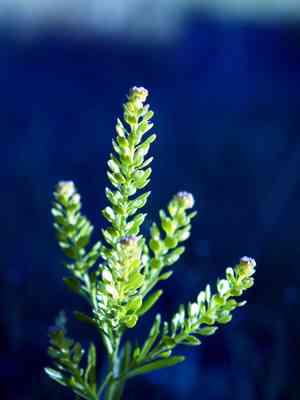
Lepidium virginicum is readily multiplied by scattering its seeds directly where they are intended to grow. For optimal sprouting, spread the seeds uniformly across the soil's surface, ensuring proper contact between the seed and the earth. A fine layer of earth may be used to lightly conceal the seeds, but refrain from burying them deeply, as they need some illumination to sprout efficiently. Consistent irrigation is vital to keep the ground damp until sprouting takes place. It is essential to control the concentration of young plants to prevent excessive crowding, which can hinder their development.
When Is the Optimal Time to Propagate Common Pepperweed?
Propagation Method
Seeding
Propagation Period
Spring
What Equipment Is Used for Common Pepperweed Propagation?
Seed Trays
Seed trays are vital for the initial propagation phase of common pepperweed. These containers enable efficient planting of multiple seeds in a controlled setting. The divisions within the trays help maintain proper spacing between seeds, ensuring each seedling has ample room for root development. This feature is particularly beneficial for common pepperweed, as it fosters a strong root system essential for successful transplanting.
Fine-Grade Vermiculite
Fine-grade vermiculite is recommended as a propagation medium for sowing common pepperweed seeds. This lightweight, sterile material offers excellent aeration and moisture retention, crucial for seed germination. Vermiculite helps maintain a consistent temperature around the seeds, stabilizing growth conditions and improving the germination rate and overall health of common pepperweed.
Misting Bottle
A misting bottle is essential for gently watering the sown common pepperweed seeds. It delivers a fine spray that moistens the soil without dislodging or burying the small seeds under heavy water droplets. Consistent moisture levels are critical during the germination stage of common pepperweed, promoting steady growth without the risk of drying out or waterlogging the seeds.
Labeling Sticks
Labeling sticks are important for tracking the sowing dates and growth stages of common pepperweed. This allows the propagator to provide customized care during different developmental phases of the seedlings. Proper labeling is especially valuable when propagating multiple batches or species simultaneously, ensuring each plant receives appropriate attention and treatment.
How to Propagate Common Pepperweed?
Propagation Difficulty
Easy
How to Care for Your Newly Propagated Common Pepperweed?
How to Care for Your Newly Propagated Common Pepperweed?
Following successful propagation, gradually reduce watering, allowing the soil to dry slightly between irrigation. Common pepperweed thrives in sunny locations with well-draining soil. Minimal fertilizer is needed. Perform regular weeding to minimize nutrient competition. Monitor for pests like aphids and treat with eco-friendly options if necessary.
Common Mistakes to Avoid When Propagating Common Pepperweed
Overwatering
Excessive watering can lead to root rot in common pepperweed, as it prefers well-drained conditions. Too much moisture hinders proper root development, potentially killing the plant.
Too much shade
Providing too much shade for common pepperweed can impede its growth. This species thrives in full sun, and insufficient light can result in weak, leggy growth and a reduction in seed production.
Poor soil preparation
Using unamended or heavy soil can lead to poor growth of common pepperweed. Compacted or clay-heavy soils restrict root growth and do not drain well, which are critical factors for the health of common pepperweed.
Seeding depth
Planting the seeds too deep can prevent germination of common pepperweed. The small seeds of common pepperweed require a shallow planting depth to ensure adequate light exposure and successful sprouting.
Tips For Propagating Common Pepperweed
Site selection
Choose a location that receives full sun for optimal growth of common pepperweed. This will ensure the plant gets sufficient light, enhancing photosynthesis and overall plant vigor.
Soil improvement
Amend the soil with compost or other organic matter to promote better drainage and provide essential nutrients. A well-draining, nutrient-rich soil supports robust growth and development of common pepperweed.
Appropriate seeding depth
Sow the seeds of common pepperweed at a shallow depth, roughly just a sprinkle over the surface followed by a light dusting of soil. This maximizes seed exposure to light which is essential for optimal germination.
Moderate watering
Water the common pepperweed seeds moderately to maintain damp soil conditions until germination, then gradually reduce watering. Ensure the plant is not sitting in overly moist soil to avoid root diseases.



