How to Prune Common pepperweed?
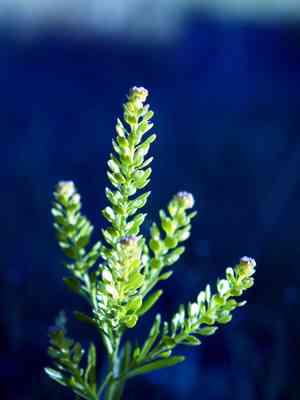
A robust herbaceous species, common pepperweed flourishes in diverse environments. Trim to control its size and foster a denser habit; eliminate faded blooms and seed capsules to inhibit natural reseeding. The most effective time for trimming is from spring through early autumn, coinciding with its periods of vigorous development. For common pepperweed specifically, pruning assists in limiting its expansion and encouraging a more contained shape. Consistent trimming supports the plant's well-being, enhancing air movement and lowering the likelihood of illness.
What Are the Benefits of Pruning Common Pepperweed?
What Are the Benefits of Pruning Common Pepperweed?
Trimming common pepperweed aids in maintaining its desired shape and promotes robust development. Strategic cuts can revitalize the plant, fostering a strong framework and preventing it from becoming overgrown or unruly.
What Is the Best Time for Pruning Common Pepperweed?
What Is the Best Time for Pruning Common Pepperweed?
Pruning common pepperweed in spring coincides with the start of its growth cycle, enabling gardeners to shape the plant and encourage vigorous new growth while reducing stress. Late summer pruning is suitable for cutting back any excess growth and preserving plant health, as well as preparing it for the dormant winter period. Early fall pruning should focus on removing spent flowers and seed heads to prevent unwanted self-seeding, ensuring the plant has ample time to recover before cold weather arrives. These seasons are chosen to direct the plant's energy towards healthy growth and to avoid cutting during its flowering or fruiting periods, which could reduce its reproductive success.
What Tools Do I Need to Prune Common Pepperweed?
Hand Pruners
Ideal for precise control when severing small stems and twigs of common pepperweed, ensuring clean cuts to encourage healthy regrowth.
Gardening Shears
Perfect for trimming and shaping the foliage of common pepperweed to enhance plant appearance and vitality without causing undue harm.
Garden Gloves
Safeguard the gardener's hands from potential skin irritants produced by common pepperweed during the trimming process.
Pruning Saw
Useful for cutting through thicker branches of common pepperweed that hand pruners cannot manage, ensuring quick and efficient removal without tearing the plant tissue.
How to Prune Common Pepperweed
Prepare Tools
Ensure your pruning shears are clean and sharp to avoid damaging common pepperweed's tissues when trimming.
Locate Withered Leaves
Carefully inspect common pepperweed to identify any withered or yellowing leaves that are no longer viable or beneficial to the plant's growth.
Trim Withered Leaves
Using the pruning shears, remove the identified withered leaves at their base where they meet the stem or branch to promote better air circulation and light penetration for common pepperweed.
Disinfect Tools
After each pruning session, clean and sanitize your tools to prevent the spread of pathogens to common pepperweed or other plants.
Monitor Plant Health
Regularly observe common pepperweed after pruning to ensure the plant is responding well and to determine if further pruning is necessary in the future.
Common Pruning Mistakes with Common Pepperweed
Overpruning
Removing too much foliage from common pepperweed at once can stress the plant, potentially leading to stunted growth or making it susceptible to disease.
Blunt Tools
Using dull or unsanitized pruning tools on common pepperweed can result in ragged cuts that leave the plant vulnerable to infections.
Indiscriminate Cutting
Random or careless pruning without understanding the growth pattern of common pepperweed can lead to undesirable shapes and may hinder flowering.
Neglecting Dead Material
Failing to remove dead or diseased growth from common pepperweed not only looks unappealing but can also harbor pests and spread disease.
Ignoring Plant Structure
Not considering the natural structure of common pepperweed during pruning can result in a weakened plant that does not support its own growth.
Common Pruning Tips for Common Pepperweed
Clean Sharp Tools
Ensure that pruning tools are sharp and sanitized before cutting common pepperweed to make clean cuts that heal quickly, minimizing the risk of disease entry.
Strategic Cutting
Prune common pepperweed strategically by targeting overcrowded areas to improve air circulation and light penetration, which are crucial for the plant's health.
Gradual Pruning
Approach the pruning process gradually over time, especially for dense growth, to allow common pepperweed to recover and maintain its vigor.
Shape Maintenance
Regularly prune to maintain the desired shape and size of common pepperweed, which encourages a strong and productive plant structure.
Health Focus
Prioritize removing any dead, damaged, or diseased parts of common pepperweed to promote overall plant health and prevent the spread of potential problems.



