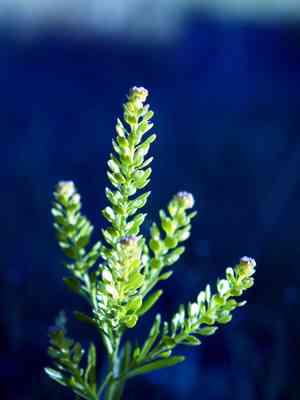
Common pepperweed (Lepidium densiflorum)
Also known as: Common peppergrass, Apetalous peppergrass, Green-flower pepperweed, Dense-flower pepper-grass
Common ragweed (*Ambrosia artemisiifolia*) is an annual or biennial herb native to North America. It is often considered a noxious weed across much of the continent. Additionally, this species has been introduced to Europe and Asia, where it poses similar challenges.
In This Article
Attributes of Common pepperweed
Lifespan
Annual, Biennial
Plant Type
Herb
Plant Height
20 cm to 30 cm
Spread
30 cm
Leaf Color
Green
Flower Size
Approximately 0.2 to 0.3 centimeters
Flower Color
White Yellow Green
Images of Common pepperweed
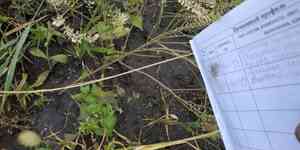
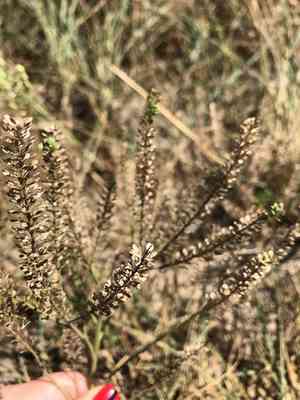
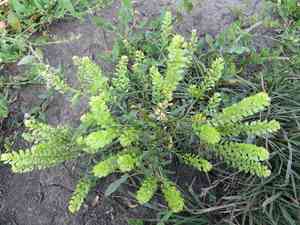
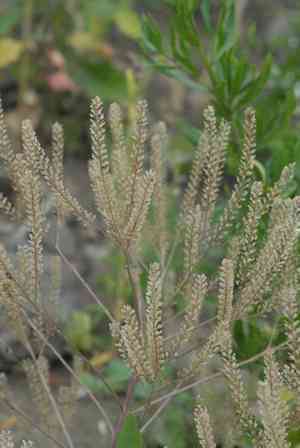
Quickly Identify Common pepperweed
1
Lepidium densiflorum can be identified by its small, white flowers clustered at the top of the stems, finely divided and lobed leaves, and a distinctive mustard or peppery smell when crushed. The plant usually grows up to 0.3 to 0.6 meters tall.
Scientific Classification of Common pepperweed
Phylum
Vascular plants
Class
Dicotyledons
Order
Brassicales
Family
Cruciferae
Genus
Peppercresses
Species
Common pepperweed
Planting and Growing of Common pepperweed
Care Difficulty
Easy
Watering Schedule
Every 3 days
Sunlight Requirements
Full sun
Sunshine Duration
6-10 hours
Ideal Temperature
60-75℉
Soil Type
Potting Mix, Peat Mix
Soil pH
6-7.5
Fertilizer Type
Balanced
Pruning Season
Spring, Summer
Pruning Area
Branches, Leaves
Pruning Frequency
2 times a year
Repotting Season
Spring
Pot Type
Ceramic, Plastic
 How to Water Common pepperweed?
For Lepidium densiflorum, water until the soil is evenly moist but not soggy. Aim for about 250 milliliters each time, ensuring that the water reaches all parts of the root zone without leaving the soil waterlogged.
What are the symptoms of an underwatered Common pepperweed?
›
What should I do if my Common pepperweed is not getting enough water?
›
What are the symptoms of an overwatered Common pepperweed?
›
How to save an overwatered Common pepperweed?
›
 What Are the Sunlight Requirements for Common pepperweed?
Lepidium densiflorum thrives in full sun to partial sun environments. Under these conditions, it benefits from adequate photosynthesis, resulting in healthy, lush foliage and potential flowering.
More About Sunlight Requirements Techniques→
Ideal Light Duration
›
Ideal Light Positioning
›
Achieving Optimal Light
›
 What Is the Ideal Temperature Range for Common pepperweed?
The ideal temperature range for cultivating Lepidium densiflorum is between 60°F and 75°F. This range provides optimal conditions for growth, allowing the plant to thrive and produce lush foliage. During these temperatures, the plant has adequate metabolic rates and nutrient absorption capabilities, supporting healthy development.
 What Soil is Best for Common pepperweed?
Lepidium densiflorum thrives in well-draining soil, which helps prevent root rot and other water-related issues. This promotes healthy root development and ensures the plant can access essential nutrients effectively. This plant prefers soil with moderate fertility. Soils enriched with organic matter provide sufficient nutrients without the risk of nutrient burn, supporting robust growth and flowering. The plant grows optimally in slightly moist soil conditions, which aid in nutrient uptake while preventing dehydration. However, it is tolerant of some drought once established.
 How to Fertilize Common pepperweed?
Lepidium densiflorum generally requires moderate amounts of fertilizer. For liquid fertilizers, use a diluted solution at quarter strength to avoid overwhelming the plant. Solid fertilizers should be applied sparingly, using about half the recommended amount on the package. This will ensure the plant receives adequate nutrients without risking nutrient burn.
 How to Prune Common pepperweed?
Start by removing any dead or diseased branches, cutting them back to a healthy node. Then, shape the plant by trimming overgrown branches to maintain a balanced form. Always cut just above a leaf node to encourage new growth. Water the plant thoroughly after pruning to help it recover from any stress. If possible, apply a light fertilizer to support new growth and ensure the plant remains healthy.
More About Pruning Techniques→
 How to Propagate Common pepperweed plant?
1
Collect seeds from mature Lepidium densiflorum plants. Clean and dry them thoroughly to prevent mold or mildew during storage.
2
Fill a seed tray with a well-draining seed-starting mix. Sow the seeds on the surface and lightly cover them with a thin layer of soil.
3
Place the seed tray in a warm, bright location. Keep the soil consistently moist until germination occurs, typically within two weeks.
 How to Repot Common pepperweed plant?
1
Monitor Lepidium densiflorum closely for signs that it needs repotting. If you notice it becoming root-bound, meaning roots are circling the pot, it's time to consider repotting. Additionally, reduced growth and quick drying out of the soil are signs indicating that a repot is necessary.
2
Select a pot that is 1-2 inches larger than the current one to give the roots space to grow. Ensure the pot has adequate drainage holes to prevent waterlogging, which can lead to root rot. A pot with good drainage helps maintain soil aeration and promotes healthy root development.
3
The ideal soil for Lepidium densiflorum is a well-draining, loamy mix, which promotes healthy root growth by balancing moisture retention and drainage. Loamy soil provides nutrients while preventing water stagnation, making it a perfect medium for this plant’s root health.
Learn More About Common pepperweed Diseases
Bacterial Leaf Spot
Bacterial Soft Rot
Clubroot
Cyst Nematode
Damping-off
Downy Mildew
Drought Stress
Fusarium Wilt
Gray Mold
Leaf Spot
Mosaic
Nutrient Deficiency
Nutrient Toxicity
Powdery Mildew
Root Rot
Root-knot Nematode
Rusts
Spider Mites
Temperature Stress
Thrips Damage
White Mold
Chemical Injury



