How to Transplant Coastal stonecrop?
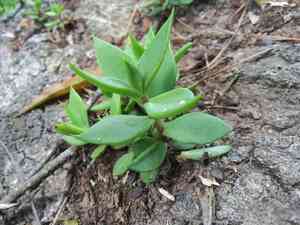
The optimal period for relocating coastal stonecrop is within the mild warmth of late spring through early summer, facilitating a smooth root integration. Favorable environments include sites with good drainage and abundant solar exposure. Should it be necessary, amend the soil to enhance development after transplantation.
What Preparations are Needed Before Transplanting Coastal Stonecrop?
What is the Ideal Time for Transplanting Coastal Stonecrop?
The optimal period for relocating coastal stonecrop is from mid-spring to late spring or the onset of early summer. This timeframe offers mild temperatures and consistent growth conditions, aiding root development and minimizing transplant stress. Moving coastal stonecrop during this window leverages the plant's natural growth cycle, fostering a strong root system before the peak summer heat. Selecting this period ensures an optimal balance of warmth and moisture, crucial for coastal stonecrop's successful transition and vitality in its new spot.
How Much Space Should You Leave Between Coastal Stonecrop Plants?
Begin by providing coastal stonecrop ample room. Position them approximately 1-2 feet (0.30 - 0.60 meters) apart. This spacing will allow each plant to mature and expand without crowding others.
What is the Best Soil Mix for Coastal Stonecrop Transplanting?
For coastal stonecrop, well-draining soil is essential. A blend of sand, clay, and a small amount of compost would be perfect. Incorporate a slow-release granular base fertilizer into the soil, which will supply vital nutrients for about 3 months.
Where Should You Relocate Your Coastal Stonecrop?
When considering a location for the coastal stonecrop, select a site that receives full to partial sunlight. These plants thrive in sun! However, they will appreciate some shade during the hottest parts of the day.
What Equipments Should You Prepare Before Transplantation Coastal Stonecrop?
Gardening Gloves
To safeguard your hands while handling soil and coastal stonecrop.
Shovel or Trowel
For digging the new planting hole and extracting the coastal stonecrop from its original spot.
Pruning Shears
To trim any damaged or overly dense roots during the relocation process.
Watering Can
To hydrate the coastal stonecrop after its transfer, aiding in establishment.
Wheelbarrow
To transport the coastal stonecrop from its initial location to the new site, especially if it's large or heavy.
How Do You Remove Coastal Stonecrop from the Soil?
How Do You Remove Coastal Stonecrop from the Soil?
From Ground: Start by moistening the coastal stonecrop plant to soften the surrounding soil. Use a spade to create a trench around the plant, being careful not to harm the root ball. Gently work the spade beneath the root ball and carefully lift the plant from the ground.From Pot: Water your coastal stonecrop plant in its container to loosen the soil. Turn the pot on its side, hold the plant gently, and slowly pull to remove it. If the plant resists, tap the pot's sides and bottom to dislodge it.From Seedling Tray: If the coastal stonecrop plant is in a seedling tray, water the tray to soften the soil, then carefully remove the plant by holding the stem's base and lifting gently to free the roots.
Step-by-Step Guide for Transplanting Coastal Stonecrop
Preparation
Prepare the new location by digging a hole twice as wide and as deep as the coastal stonecrop's root ball.
Positioning
Place the coastal stonecrop into the hole. Ensure it is not planted deeper than it was originally to prevent stem rot.
Settling
Backfill the hole, firmly pressing the soil around the plant to eliminate air pockets. Confirm the plant is upright and stable in the ground.
Initial Watering
Water the coastal stonecrop thoroughly immediately after transplanting; this helps the plant recover from transplant shock. Be cautious not to overwater, as excessive moisture can suffocate the roots.
How Do You Care For Coastal Stonecrop After Transplanting?
Watering Frequency
Following the initial watering, maintain a consistent irrigation schedule. Coastal stonecrop prefers a moderate water supply; avoid letting the soil completely dry out or become waterlogged.
Pruning
Lightly trim your coastal stonecrop after transplanting to encourage denser growth.
Monitoring
Observe the coastal stonecrop closely for the first few weeks. Look for signs of stress, such as wilting, yellowing, and leaf drop. If observed, provide some shade from direct sunlight or adjust watering as needed.
Troubleshooting Common Issues with Coastal Stonecrop Transplantation.
When is the best time to transplant coastal stonecrop?
The optimal period to transplant coastal stonecrop is from late spring to early autumn (S2-S4). This allows the plant ample time to establish itself in its new spot before winter.
What is the suitable planting distance for coastal stonecrop?
For ideal growth, each coastal stonecrop should be spaced approximately 1 to 2 feet (or 30-60 cm apart). This provides sufficient room for future development and air circulation.
How deep should I plant my coastal stonecrop in the new location?
Plant coastal stonecrop at the same depth as its original growing conditions. Maintaining consistent plant level is crucial to prevent stem rot or exposed roots.
What type of soil is suitable for transplanting coastal stonecrop?
Coastal stonecrop thrives in well-drained soil. An ideal mix includes sandy, loamy soil with good drainage. Avoid soils that retain too much water, as this can lead to root rot.
How should I prepare the planting hole for coastal stonecrop?
Dig a hole twice as wide and slightly deeper than the coastal stonecrop's root ball. This provides space for the roots to spread and establish in the new location.
What care should I take while removing coastal stonecrop from its current pot?
Gently invert the pot while supporting coastal stonecrop with your hand. Be careful to avoid damaging the plant and its root system.
Is it necessary to water coastal stonecrop immediately after transplanting?
Yes, watering coastal stonecrop immediately after transplanting is vital. This helps settle the soil and minimizes transplant shock.
What do I do if the leaves of coastal stonecrop wilt after transplanting?
Wilting may indicate transplant shock. Keep the soil consistently moist, ensure adequate sunlight exposure, and maintain stable temperatures. Coastal stonecrop should recover within a few days.
How to protect transplanted coastal stonecrop from pests or diseases?
Regularly inspect for signs of pests or diseases. If found, use organic pesticides or fungicides as necessary. Clean and healthy practices will help coastal stonecrop thrive.
Should I prune coastal stonecrop after transplanting?
Pruning is generally not required immediately after transplanting coastal stonecrop. However, you can remove any dead or weak parts to encourage healthier growth.



