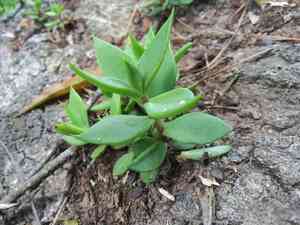
Coastal stonecrop (Lenophyllum texanum)
Also known as: Groovethroat Sedum
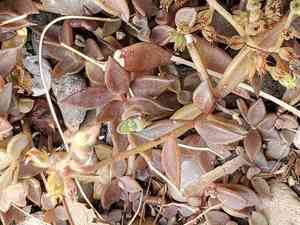
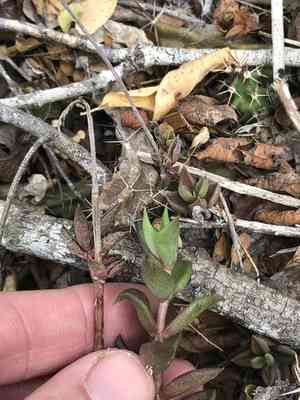
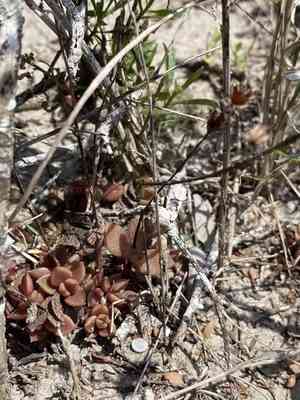
Coastal stonecrop plants are highly prolific. The connections between their leaves and stems are delicate, causing the leaves to detach easily. These fallen leaves can rapidly take root and grow into new plants, resulting in large, clustered colonies. Additionally, the leaves of coastal stonecrop change color depending on light exposure: they turn dark brown in ample sunlight and gradually shift to pink and then emerald green as light exposure diminishes.
In This Article
Attributes of Coastal stonecrop
Lifespan
Perennial
Plant Type
Herb
Plant Height
0 mm to 30 cm
Spread
45 cm
Leaf Color
Green to reddish
Flower Size
2.5 cm
Flower Color
Yellow
Images of Coastal stonecrop
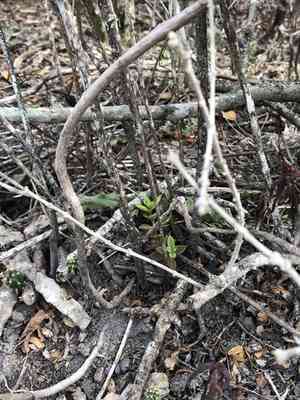
Quickly Identify Coastal stonecrop
1
Lenophyllum texanum can be identified by its thick, fleshy leaves that are often green but can turn reddish under stress from sun or drought. The leaves have a distinctive groove running down their center.
Scientific Classification of Coastal stonecrop
Phylum
Vascular plants
Class
Dicotyledons
Order
Saxifragales
Family
Stonecrop
Genus
Lenophyllum
Species
Coastal stonecrop
Planting and Growing of Coastal stonecrop
Care Difficulty
Easy
Watering Schedule
Every 2 days
Sunlight Requirements
Full sun
Sunshine Duration
6-10 hours
Ideal Temperature
65-80℉
Soil Type
Potting Mix, Peat Mix
Soil pH
6.5-7.5
Fertilizer Type
Balanced
Pruning Season
Spring, Summer
Pruning Area
Branches, Leaves
Pruning Frequency
2 times a year
Repotting Season
Spring
Pot Type
Plastic, Ceramic
 How to Water Coastal stonecrop?
When watering Lenophyllum texanum, use approximately 100ml of water. The key is to ensure the top 2 inches of soil dry out between waterings. This approach mimics the plant's natural arid habitat, preventing root rot.
What are the symptoms of an underwatered Coastal stonecrop?
›
What should I do if my Coastal stonecrop is not getting enough water?
›
What are the symptoms of an overwatered Coastal stonecrop?
›
How to save an overwatered Coastal stonecrop?
›
 What Are the Sunlight Requirements for Coastal stonecrop?
Lenophyllum texanum thrives best in partial to full sun. This light range allows the plant to photosynthesize efficiently, leading to better growth, vibrant foliage, and increased resilience.
More About Sunlight Requirements Techniques→
Solution for Ideal Light
›
How to Achieve
›
Benefits of Ideal Lighting
›
 What Is the Ideal Temperature Range for Coastal stonecrop?
Lenophyllum texanum thrives best in a temperature range of 65°F to 80°F. This range simulates its natural habitat and ensures optimal growth and development. Maintaining these temperatures helps the plant to efficiently carry out photosynthesis and metabolic processes necessary for healthy foliage and root development.
 What Soil is Best for Coastal stonecrop?
Lenophyllum texanum thrives in well-draining soils, such as sandy or loamy soils. Good drainage helps prevent root rot, which can be fatal to succulents. Ensuring excellent drainage allows the plant to absorb just enough moisture without being waterlogged, promoting healthy root development. Although succulents like Lenophyllum texanum aren't heavy feeders, they benefit from nutrient-rich soils. A sandy loam with some organic matter provides the essential nutrients for growth without causing overfeeding. Appropriate nutrient content supports robust leaf development and enhances their natural coloration. Lenophyllum texanum prefers slightly acidic to neutral soils with a pH range of 6.5 to 7.5. This pH balance ensures optimal nutrient availability. A well-balanced pH level prevents nutrient lockout and promotes efficient uptake of essential minerals, leading to vigorous growth.
 How to Fertilize Coastal stonecrop?
When fertilizing Lenophyllum texanum, use a balanced liquid fertilizer diluted to half its strength. This plant is not a heavy feeder, so too much fertilizer can do more harm than good. Aim for about 50 ml of diluted liquid fertilizer per application and keep an eye on plant response.
 How to Prune Coastal stonecrop?
Begin by identifying any dead, damaged, or discolored leaves on the Lenophyllum texanum. Remove these by gently pinching them off at the base, which will allow for better airflow and sunlight penetration. To encourage a bushier appearance, pinch back the stem tips that seem to be excessively long. Focus on areas where you want the plant to become fuller. This will stimulate branching and result in a denser growth. Shape the overall plant by trimming back longer stems to match the desired form. This helps in maintaining a balanced look and facilitates even growth, preventing the plant from becoming too top-heavy.
 How to Propagate Coastal stonecrop plant?
1
Choose a mature and healthy plant to take cuttings from. This ensures that the new plants will be vigorous and less susceptible to diseases or pests.
2
Using sterile pruners, cut a healthy leaf or stem segment about 4-6 inches long. Remove the lower leaves to leave a clean stem for planting.
3
Dip the cut end into rooting hormone and plant it into a pot with well-draining soil. Ensure the cutting is deeply planted and securely held upright.
 How to Repot Coastal stonecrop plant?
1
Lenophyllum texanum should be repotted when you observe roots coming out from the drainage holes, indicating root crowding. Another signal is slowed growth or the plant becomes root-bound in its existing container, necessitating a fresh environment with more space.
2
Opt for a pot that is one size larger than the current one, with sufficient drainage holes. This ensures excess water drains properly, reducing the risk of root rot. A pot with breathable materials like terracotta enhances air circulation around the roots.
3
Choose a well-draining cactus or succulent soil mix. It should contain components like perlite or coarse sand, which prevent water retention, thus mimicking the plant's natural arid habitat and encouraging healthy root growth.



