The Coastal stonecrop Plant Advantage: Maximizing Home and Office Appeal and Wellness
1
Coastal stonecrop requires minimal upkeep, making it ideal for water-wise landscaping and arid environments.
2
The foliage of this plant is recognized for its distinct ability to secure soil.
3
It provides superb ground coverage, efficiently preventing soil degradation.
Why Coastal Stonecrop Excels in Xeriscaping
Thrives in Arid Environments
Coastal stonecrop exhibits exceptional drought resistance, making it perfect for xeriscaping. This landscaping method reduces irrigation needs, conserving water and lowering garden upkeep. The plant stores moisture in its succulent leaves, enabling survival through extended dry periods. Its capacity to flourish in dry conditions means less frequent watering, helping homeowners save water and decrease utility expenses.
Minimal Upkeep Requirements
Coastal stonecrop demands very little attention once established. It adapts to various soil types, though it prefers well-drained substrates. This low-maintenance characteristic minimizes the need for fertilizers, pesticides, and other garden treatments, making it an environmentally sound choice. Furthermore, its growth habit restricts weed proliferation, lessening the necessity for herbicides.
Environmental Advantages and Ecological Impact of Coastal Stonecrop
Soil Stabilization and Erosion Prevention
A key feature of Coastal stonecrop is its ability to stabilize soil. Its dense root system helps secure the earth, preventing it from being washed away by rainfall. This makes Coastal stonecrop especially valuable in areas prone to erosion, such as slopes and sandy soils. By planting Coastal stonecrop, gardeners can actively contribute to preserving soil structure and health.
Supporting Local Wildlife
Coastal stonecrop benefits not only the soil but also local fauna. The plant offers shelter and sustenance for various insects and small creatures. Pollinators, including bees and butterflies, are particularly drawn to its blooms. This interaction aids in fostering biodiversity within the garden, ensuring balanced and healthy ecosystems.
Versatility and Aesthetic Qualities of Coastal Stonecrop
Striking Visual Appeal
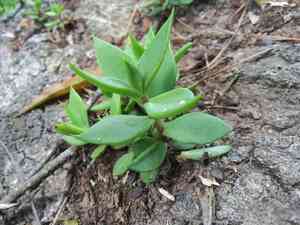
Coastal stonecrop is renowned for its attractive foliage and ability to enhance garden beauty. Its lush, green leaves create a vibrant display that contrasts beautifully with rock gardens, pathways, and other architectural features. The plant's distinctive appearance can serve as a focal point in garden design or provide a rich backdrop for other plantings.
Use in Ground Cover and Green Roofs
Coastal stonecrop is also highly effective as a ground cover. Its low-growing habit forms a dense mat, which not only suppresses weeds but also protects the soil from erosion. This makes it suitable for slopes, rock gardens, and large open areas requiring coverage. Additionally, Coastal stonecrop is a popular choice for green roofs, where its ability to thrive in well-drained conditions and resist drought makes it an excellent plant for urban greening initiatives.
How to Grow and Care for Coastal Stonecrop Properly
Planting and Propagation Methods
Cultivating Coastal stonecrop is relatively simple. The plant can be propagated from cuttings or by dividing mature specimens. When planting, ensure the soil drains well and place the plant in a location receiving ample sunlight. Space the plants appropriately, as overcrowding can lead to poor air circulation and increased disease risk.
Pruning and Seasonal Maintenance
Proper care involves occasional pruning to maintain shape and encourage robust growth. Remove any dead or damaged leaves to prevent disease. During the active growing season, minimal watering is required; however, it's crucial to avoid over-watering, as this can cause root rot. In colder climates, Coastal stonecrop may need protection from frost or indoor overwintering.
Why Incorporate Coastal Stonecrop into Your Landscape and Gardens
Environmentally Friendly Landscaping
Integrating Coastal stonecrop into your garden aligns with sustainable landscaping practices. Its low water needs, minimal maintenance, and soil stabilization properties contribute to a resilient garden. By selecting plants like Coastal stonecrop, gardeners can reduce their environmental impact and create a more robust garden ecosystem.
Boosting Property Value and Attractiveness
A well-designed garden featuring unique and beneficial plants like Coastal stonecrop can significantly enhance a property's aesthetic and monetary worth. Its appealing foliage and adaptable uses make it a valuable addition to any garden plan, contributing to outdoor spaces that are both beautiful and practical.



