How Much Sunlight Do Coastal stonecrop Need?
1
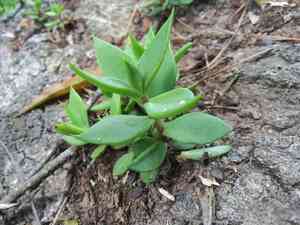
Coastal stonecrop flourishes optimally with a minimum of 6 hours of direct sun daily.
2
For areas experiencing intense heat, providing some afternoon protection from the sun can safeguard Coastal stonecrop from scorching.
3
Consistently observe your plant for indications of excessive or insufficient light to support its best development.
Optimal Light Conditions for Coastal Stonecrop
Full Sun Exposure: Advantages and Requirements
Full sun exposure, meaning at least six hours of direct sunlight daily, is perfect for Coastal stonecrop. This level of light ensures the plant's foliage retains its vibrant color and promotes vigorous growth. Full sun also encourages the plant to produce its characteristic small, white or pinkish blooms. If you plan to plant Coastal stonecrop in a garden, select a location not shaded by trees or larger structures for most of the day. In regions with temperate climates, full sun will be more advantageous in maintaining the plant's health and flowering.
Partial Shade: When and Why It's Appropriate
While Coastal stonecrop prefers full sun, it can endure partial shade. Partial shade means the plant receives 3-6 hours of direct sunlight, typically in the morning, and is shaded during the intense afternoon sun. This condition is often suitable in very hot climates where prolonged, direct afternoon sunlight can scorch the plant. It allows the plant to receive sufficient sunlight for growth without the risk of overheating. Always monitor Coastal stonecrop closely in partial shade to ensure it gets enough light for peak health.
How to Determine the Correct Sunlight for Your Coastal Stonecrop
Evaluating Your Garden's Sunlight Patterns
The initial step in determining the appropriate sunlight for your Coastal stonecrop is to assess your garden's sunlight patterns. Spend a day observing where and when sunlight reaches different areas of your garden. Keep track of the duration and intensity of sunlight these spots receive. This information will help you choose the best planting location. If an area receives 6 or more hours of sunlight, it is ideal for Coastal stonecrop. Alternatively, if the area receives significant morning sun but is shaded in the afternoon, it can still be a viable spot for planting with careful observation.
Seasonal Variations and Their Influence
Seasonal changes significantly impact the amount and intensity of sunlight your garden receives. In spring and summer, days are longer, and the sun is stronger, which generally benefits Coastal stonecrop. However, during fall and winter, daylight hours decrease, and the sun's intensity lessens. In colder climates, you might need to move potted plants to spots that capture the maximum amount of winter sun. Be aware of these seasonal shifts and adjust your plant's positioning to maintain its health and growth throughout the year.
Indicators of Too Much or Too Little Sunlight
Signs of Excessive Sun Exposure
If your Coastal stonecrop is receiving too much sun, you'll likely notice signs such as wilting leaves, scorched leaf tips, or bleached foliage. These indicators mean the plant is suffering from sunburn. In such cases, consider providing some afternoon shade or relocating the plant to a slightly shadier spot. A translucent garden shade cloth can be beneficial, filtering out some of the harsh afternoon rays while still allowing ample light.
Identifying Sunlight Deficiency Symptoms
Conversely, if Coastal stonecrop does not receive enough sunlight, it might exhibit symptoms like leggy growth, pale leaves, and reduced flowering. The plant stretches towards light sources, indicating a struggle for adequate sunlight. If you notice these symptoms, try moving your plant to a sunnier location. Even in low-light seasons, ensuring that Coastal stonecrop gets sufficient light is crucial for its overall well-being.
Tips for Maximizing Sunlight Exposure
Utilizing Reflective Materials
To maximize sunlight exposure for Coastal stonecrop, you can use reflective materials such as white stones, aluminum foil, or reflective garden films around your plants. These materials bounce sunlight onto the plant, increasing the amount of light it receives. This method is particularly useful in gardens with limited direct sunlight.
Pruning Nearby Vegetation
If nearby plants or trees are casting too much shade on your Coastal stonecrop, consider pruning them. Trimming back branches can open up the area, allowing more sunlight to reach your succulent. Regular maintenance ensures that your Coastal stonecrop gets consistent sunlight throughout the growing season.
Adjusting Plant Placement
For potted Coastal stonecrop, adjusting the plant's location according to the season is a straightforward way to optimize sunlight exposure. In the summer, ensure it's placed where it gets full sun. During the cooler months, move it to a location with the most available sunlight. By being proactive and flexible with placement, you can help your Coastal stonecrop thrive year-round.



