How to Transplant Western larch?
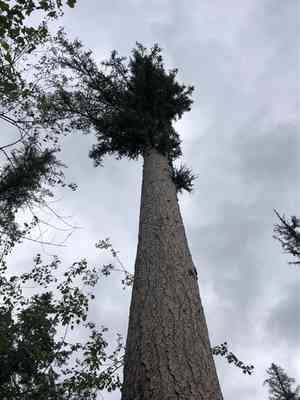
Western larch flourishes most effectively when relocated between early spring and late spring, enabling its root system to become established prior to the warmth of summer. Place it in a bright, adequately drained location for optimal growth.
What Preparations are Needed Before Transplanting Western Larch?
What is the Ideal Time for Transplanting Western Larch?
The best period for relocating western larch, a perennial, spans from early to late spring. This timeframe facilitates root development prior to the onset of summer heat. Moving the plant during this season allows western larch to adapt and flourish, benefiting from cooler temperatures and increased soil moisture, which are crucial for vigorous growth and health.
How Much Space Should You Leave Between Western Larch Plants?
When moving your western larch, ensure they are spaced 10-15 feet (3-4.5 meters) apart to provide ample room for expansion and air circulation.
What is the Best Soil Mix for Western Larch Transplanting?
Prepare a soil mixture that drains well for your western larch, ideally sandy or loamy. Enhance the soil with a phosphorus-rich base fertilizer to promote robust root growth.
Where Should You Relocate Your Western Larch?
Choose a site that receives full sunlight for the majority of the day. Your western larch will thrive in an area that gets at least 6 hours of direct sun daily.
What Equipments Should You Prepare Before Transplantation Western Larch?
Gardening Gloves
To shield your hands while handling soil and the plant.
Shovel or Spade
For digging around and lifting the plant from its original spot.
Pruning Shears
To trim any damaged or excessively long roots.
Watering Can or Hose
To hydrate the plant before and after the move.
Wheelbarrow
To transport the plant if necessary.
Tarp or Burlap
To wrap and safeguard the root ball during transit.
How Do You Remove Western Larch from the Soil?
How Do You Remove Western Larch from the Soil?
From Ground: First, moisten the soil around the western larch plant. Then, use a shovel or spade to dig a wide trench around the plant, ensuring the root ball remains intact. Carefully work the spade beneath the root ball to lift the plant from its initial location.From Pot: Begin by thoroughly watering the western larch. Gently tap the pot's sides to loosen the soil. Tilt the pot and carefully slide the plant out, supporting the root ball with your hand.From Seedling Tray: Start by watering the western larch seedlings. Gently squeeze the bottom of each cell to loosen the soil. Carefully lift each seedling by its leaves or stem, taking care not to harm the delicate roots.
Step-by-Step Guide for Transplanting Western Larch
Prepare the Planting Hole
Dig a hole that is twice as wide and as deep as the western larch's root ball. This allows for better root expansion and growth.
Checking Soil Moisture
Ensure the soil at the new planting site is adequately moist â neither too wet nor too dry.
Placing the Plant
Position the western larch in the center of the hole. Make sure the top of the root ball is level with or slightly above the surrounding soil surface.
Backfilling
Fill the hole halfway with soil, gently pressing it down to remove any air pockets. Water the plant to settle the soil before filling the remainder of the hole.
Final Backfill and Watering
Complete filling the hole, then water the western larch thoroughly. Add more soil if needed to ensure the root ball is fully covered.
Mulching
Apply a layer of mulch around the base of the western larch to help retain moisture and suppress weeds. Keep the mulch a few inches away from the trunk to prevent rot.
How Do You Care For Western Larch After Transplanting?
Watering
Keep the soil around the western larch consistently damp, but not waterlogged, for the initial weeks after transplanting to aid in root establishment.
Monitoring
Regularly check the western larch for signs of stress, such as wilting or yellowing foliage, and adjust care as necessary.
Pruning
Remove any damaged or dead branches to encourage healthy growth and reduce stress on the plant.
Protection
Consider using a tree guard or staking young western larch plants if they are in a windy location to provide support during the establishment phase.
Troubleshooting Common Issues with Western Larch Transplantation.
When is the best time to transplant western larch?
Early to late spring, when the ground is workable and temperatures are mild.
How much space should I leave between western larch plants?
Ensure a spacing of 10-15 feet (3-4.5 meters) between each western larch for optimal growth.
What type of soil is ideal for western larch?
Western larch thrives in well-draining, loamy soil with a slightly acidic to neutral pH level.
How deep should I dig the hole for transplanting western larch?
Dig a hole twice as wide and as deep as the root ball of western larch.
How do I prepare western larch for transplanting?
Water western larch thoroughly the day before transplanting to reduce stress and facilitate root removal.
What should I do if the roots are tangled?
Gently untangle any matted roots; trim any broken or excessively long roots before planting western larch.
Should western larch be mulched after transplanting?
Yes, apply a layer of mulch around western larch, keeping it 2 inches (5 cm) away from the trunk.
How often should I water western larch after transplanting?
Water western larch deeply once a week, ensuring the soil remains moist but not waterlogged.
What can I do if western larch appears stressed after transplanting?
Provide shade for the first few weeks, keep soil moist, and avoid fertilizing until western larch stabilizes.
How can I ensure the successful establishment of western larch?
Maintain consistent moisture, avoid over-fertilizing, and monitor for pests and diseases to support healthy establishment.



