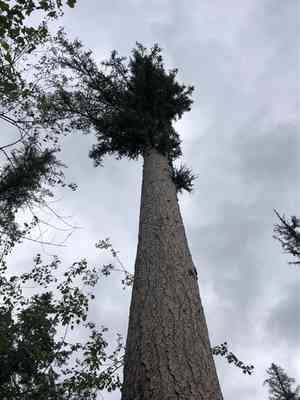
Western larch (Larix occidentalis)
Also known as: Mountain larch, Hackmatack
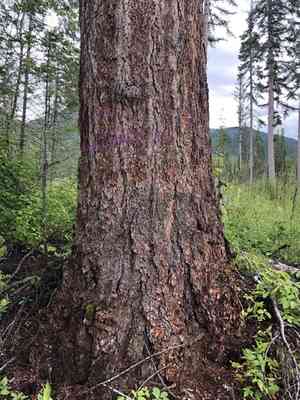
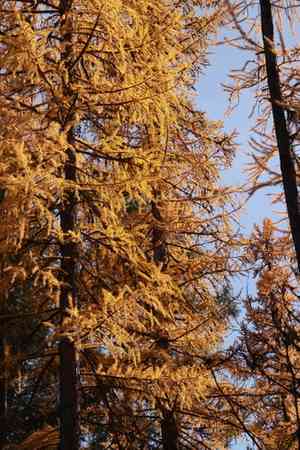
The western larch (Larix occidentalis) is a tall, deciduous conifer that can grow up to 180 feet in height. It features needle-like leaves that are grouped in clusters and turn a striking yellow in the autumn before falling off. Its bark is thick and rugged, providing resilience against fires. The tree also produces small, woody cones that are around 1-2 inches long. Adapted to mountainous regions and cold climates, the western larch is notable for its conical shape and seasonal color change.
In This Article
Attributes of Western larch
Lifespan
Perennial
Plant Type
Tree
Plant Height
30 m
Spread
6 to 10 meters (20 to 33 feet)
Leaf Color
Green in summer, yellow in autumn
Flower Size
N/A, as it is a conifer and does not produce typical flowers
Flower Color
N/A, as it is a conifer and does not produce typical flowers
Images of Western larch
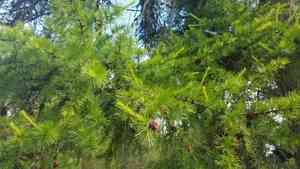
Quickly Identify Western larch
1
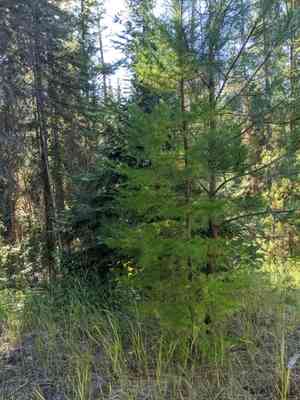
To identify Larix occidentalis, look for needle-like leaves arranged in whorls around the branches, which turn bright yellow in autumn. The bark of mature trees is thick and grooved, and the cones are small and grow upwards.
Scientific Classification of Western larch
Phylum
Vascular plants
Class
Conifers
Order
Pinales
Family
Pine
Genus
Larches
Species
Western larch
Planting and Growing of Western larch
Care Difficulty
Moderate
Watering Schedule
Every 2 days
Sunlight Requirements
Full sun
Sunshine Duration
6-10 hours
Ideal Temperature
50-77℉
Soil Type
Potting Mix, Peat Mix
Soil pH
6.5-7.5
Fertilizer Type
Balanced
Pruning Season
Spring, Summer
Pruning Area
Branches, Leaves
Pruning Frequency
2 times a year
Repotting Season
Spring
Pot Type
Plastic, Ceramic
 How to Water Western larch?
When watering Larix occidentalis, ensure the soil is saturated but not waterlogged. The goal is to moisten the top 6-8 inches of soil, as this tree prefers well-draining environments. Adjust quantity based on soil moisture and weather conditions.
What are the symptoms of an underwatered Western larch?
›
What should I do if my Western larch is not getting enough water?
›
What are the symptoms of an overwatered Western larch?
›
How to save an overwatered Western larch?
›
 What Are the Sunlight Requirements for Western larch?
Western Larch thrives in zones with full sun to partial sun. Ideal light conditions ensure optimal photosynthesis, leading to robust growth, vibrant foliage, and increased resistance to pests and diseases.
Optimal Light Range
›
Solutions for Ideal Lighting
›
Benefits of Ideal Lighting
›
 What Is the Ideal Temperature Range for Western larch?
For optimal growth of Larix occidentalis, maintaining temperatures between 50°F and 77°F is recommended. This range ensures the tree receives sufficient warmth to thrive without experiencing heat stress. Larix occidentalis can perform photosynthesis efficiently and absorb nutrients at these temperatures, ensuring healthy development.
 What Soil is Best for Western larch?
Larix occidentalis thrives in well-drained soils that prevent water logging. Good drainage ensures that the roots receive adequate oxygen and prevents root rot, which is essential for the healthy growth of this conifer. This plant benefits from soils rich in organic matter. Nutrients from decomposed organic matter provide essential minerals for growth, contributing to robust foliage and overall plant health. A slightly acidic soil pH, ranging from 6.5 to 7.5, is ideal for Larix occidentalis. Such pH levels help in the optimal absorption of nutrients, promoting vibrant growth and disease resistance.
 How to Fertilize Western larch?
Larix occidentalis, commonly known as western larch, benefits from balanced fertilization. Aim for a nitrogen ratio of about 10-10-10. Apply liquid fertilizer sparingly, ensuring no more than half a cup per application to prevent root burn and promote healthy growth.
 How to Prune Western larch?
Focus on establishing a strong, central leader by removing competing stems. This promotes a balanced structure and helps the tree withstand harsh weather conditions. Western Larch does not respond well to heavy pruning. Limit your cuts to about 10-15% of the tree's total foliage to minimize stress and ensure continued growth.
More About Pruning Techniques→
 How to Propagate Western larch plant?
1
Larch seeds need a cold stratification period of about 60 days. Place seeds in a moistened medium and keep them in the refrigerator to simulate winter conditions essential for germination.
2
After stratification, sow the seeds in a seed tray with a well-draining potting mix. Cover them lightly with soil and ensure the tray remains moist but not waterlogged.
3
Once seedlings have developed a strong root system and have hardened off, they can be transplanted to their permanent outdoor location, preferably during the late spring.
 How to Repot Western larch plant?
1
Repotting Larix occidentalis is best done when you notice visible signs such as roots circling the bottom of the pot, a significant decrease in growth, or water quickly passing through the soil. These indicators suggest that the plant is outgrowing its current space and needs more room to thrive.
2
Choose a pot with drainage holes that is one size larger than the current one. Ample drainage is crucial, preventing root rot and ensuring that excess water has somewhere to escape. The new pot should provide enough room for root expansion, encouraging healthy growth and development.
3
Select a well-draining soil mix enriched with sand to ensure adequate drainage and aeration. Such a composition mimics the plant's natural environment and prevents waterlogging, which can be detrimental to its roots, promoting healthier and stronger growth.



