How to Propagate Western larch?
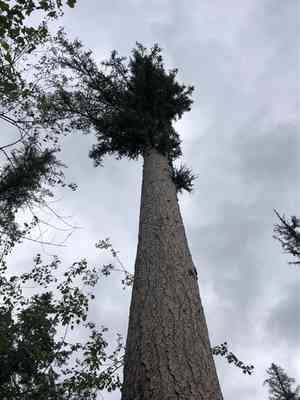
Larix occidentalis, a deciduous conifer, is recognized for its graceful needle pattern and vibrant fall coloration. Reproducing it via cuttings guarantees genetic replicas of the source plant, preserving specific traits. Choose robust, semi-lignified cuttings from the present year's growth. A porous rooting substrate is crucial, requiring continuous dampness. Employing a rooting stimulant can accelerate root formation. Provide ideal humidity and illumination for thriving development.
What Is the Best Time To Propagate Western Larch?
Propagation Type
Cutting
Propagation Season
Autumn,Winter
What Tools Are Used in Western Larch Propagation?
Sharp Pruning Shears
Utilized for taking precise and clean cuttings from western larch. Crucial for preventing plant harm and ensuring optimal cutting vitality.
Rooting Hormone
Stimulates root growth on cuttings. It's especially advantageous for western larch as it can boost root development speed and success rate.
Propagation Trays
Offer a regulated environment for rooting western larch cuttings. Guarantees consistent moisture and temperature.
Sterilized Medium
A sterile, well-draining substrate (such as a mix of perlite and peat moss) is vital for preventing disease and fostering healthy root formation in western larch cuttings.
Humidity Dome
Maintains elevated humidity levels around cuttings to prevent dehydration and encourage rooting in western larch.
Heat Mat
Helps sustain a consistent soil temperature, which can accelerate root development in western larch cuttings.
Labeling Supplies
To keep track of various cuttings and their treatment dates, ensuring organized and effective propagation of western larch.
Misting Bottle
Provides a gentle and even water distribution to maintain adequate moisture levels without disturbing western larch cuttings.
Sanitizing Supplies
Keeping tools and containers sanitized prevents the spread of diseases and ensures a healthy propagation environment for western larch.
How to Propagate Western Larch?
Propagation Type
Moderately Difficult
How to Care for Your Newly Propagated Western Larch?
How to Care for Your Newly Propagated Western Larch?
After successful rooting, gradually acclimate western larch to lower humidity by removing the dome or plastic bag. Transplant the rooted cutting into a larger pot with high-quality soil. Water regularly to keep the soil evenly moist but not waterlogged. Provide ample light, preferably filtered sunlight, and protect the young plant from extreme temperatures. Fertilize with a balanced, slow-release fertilizer during the growing season to support its growth.
Common Mistakes to Avoid When Propagating Western Larch
Using inappropriate soil
Employing a soil mix that drains poorly or is excessively rich in organic matter can lead to root rot and inadequate aeration, impeding the propagation of western larch.
Overwatering
Excessive water can cause the roots of western larch to decay and hinder the establishment of new plants.
Incorrect use of growth hormones
Applying too much or too little growth hormones can negatively impact root development, leading to weak or stunted growth in western larch.
Poor site selection
Choosing a propagation location that lacks sufficient sunlight can slow down the growth process, as western larch requires ample light for healthy development.
Neglecting pest control
Failure to safeguard young propagations from pests like aphids or fungal diseases can result in significant damage or loss of plants.
Tips For Propagating Western Larch
Well-draining soil
Utilize a well-draining soil mix to ensure roots receive sufficient oxygen and avoid becoming waterlogged.
Moderate watering
Water the propagations moderately, allowing the soil to dry slightly between waterings to prevent root rot.
Appropriate hormone application
Use rooting hormones sparingly and according to the instructions to encourage healthy root formation without harming the plants.
Sunlight access
Ensure that the propagation site receives sufficient sunlight, as western larch thrives with adequate light exposure.
Pest and disease management
Regularly inspect for pests and diseases, using appropriate organic or chemical controls to maintain plant health.



