How to Prune Western larch?
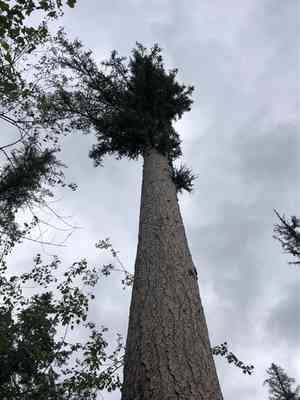
Recognized for its delicate, needle-like foliage and seasonal leaf drop, western larch flourishes with yearly trimming. Essential methods involve eliminating deceased or ailing branches and reducing density to enhance air circulation and light exposure. The most favorable times for pruning are late winter to early spring, prior to the emergence of new shoots. This schedule aids in minimizing sap leakage and fosters sound growth. Consistent pruning encourages a sturdy framework and diminishes the likelihood of insect infestations, guaranteeing the plant stays strong and visually appealing.
What Are the Benefits of Pruning Western Larch?
What Are the Benefits of Pruning Western Larch?
Pruning aids western larch in achieving robust growth and maintaining an appealing form. It assists in eliminating dead or diseased limbs, enhances air circulation, and stimulates new development, thereby increasing western larch's resistance to pests and illnesses.
What Is the Best Time for Pruning Western Larch?
What Is the Best Time for Pruning Western Larch?
Trimming western larch during late winter and early spring is ideal as the plant is dormant. During this period, western larch's growth cycle slows, minimizing sap loss and pest infestation risks. Pruning at this time also encourages healthy new growth when the plant resumes active development in spring. Furthermore, the absence of leaves during these seasons allows for clearer visibility of western larch's structure, enabling more precise cuts and shaping.
What Tools Do I Need to Prune Western Larch?
Hand Pruners
Perfect for severing small branches and twigs, typically those under 0.5 inches in diameter. Essential for preserving the shape and removing minor, dead, or diseased growth on western larch.
Loppers
Required for excising medium-sized branches, generally between 0.5 and 1.5 inches in diameter. These provide the necessary leverage and force for clean cuts without harming the tree.
Pruning Saw
Most suitable for cutting larger branches, usually exceeding 1.5 inches in diameter. A pruning saw helps in making accurate cuts without excessively injuring western larch.
Pole Pruner
Beneficial for reaching elevated branches without a ladder, ensuring safety and efficiency. Pole pruners can trim branches that require minor pruning or are hard to access.
Anvil Pruners
Effective for quickly cutting thick, dead branches. Anvil pruners can deliver a cleaner, more direct cut for harder, lifeless wood.
How to Prune Western Larch
Prepare tools
Clean and sanitize pruning shears, loppers, and saws to prevent the introduction of harmful organisms.
Scan tree
Carefully inspect western larch to identify dead branches and any limbs exhibiting signs of disease, such as discoloration or fungal growth.
Trim dead branches
Remove dead branches by cutting them back to a healthy section of the branch or to the main trunk, ensuring cuts are clean and smooth.
Trim diseased branches
Cut diseased branches at least 6 inches below the affected area to ensure complete removal. Dispose of the removed branches away from the plant to prevent disease spread.
Disinfect tools
Between cuts, sterilize tools with a solution of one part bleach to nine parts water, especially after trimming diseased branches to minimize the risk of spreading pathogens.
Common Pruning Mistakes with Western Larch
Pruning too heavily
Excessive pruning can stress western larch, leading to weakened growth and potential vulnerability to diseases and pests.
Incorrect cutting angle
Making cuts at the wrong angle can hinder proper healing and encourage disease entry. Ensure cuts are made at the correct angle to facilitate natural callus formation.
Using dull tools
Employing dull pruning tools can result in jagged cuts, which heal poorly and may attract disease. Always use sharp, clean tools for pruning.
Removing healthy branches
Cutting unnecessary healthy branches can diminish the plant's foliage, impairing its ability to photosynthesize effectively. Evaluate which branches truly require removal.
Common Pruning Tips for Western Larch
Sanitation
Always sanitize pruning tools before and after use to prevent the spread of diseases.
Focus on deadwood
Prioritize removing dead or diseased wood, as well as crossing branches that may rub and cause damage.
Make cuts at the right place
Cut just outside the branch collar to ensure the plant can heal properly. Avoid leaving stubs, which do not heal well and can attract pests.
Thin out crowded branches
Thinning crowded branches improves air circulation and light penetration, which is vital for the overall health of western larch.



