How to Transplant Flamegold rain tree?
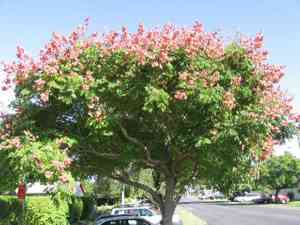
Relocate the flamegold rain tree as spring invigorates the landscape, guaranteeing warm earth and temperate conditions for vigorous development. Select a brightly lit location with soil that drains effectively, and amend it with organic material for optimal outcomes. Gentle nurturing ensures a thriving plant.
Essential Preparations Before Relocating Flamegold Rain Tree
Optimal Period for Relocating Flamegold Rain Tree?
For flamegold rain tree, the prime window for relocation is during the invigorating phase of early to mid-spring. This timing enables flamegold rain tree to establish roots in the cool, damp soil, providing a sturdy base before summer's heat. Moving flamegold rain tree in this season promotes vigorous development and minimizes transplant shock, ensuring a smooth adjustment to its new setting. By transplanting under ideal spring conditions, you give flamegold rain tree a head start in forming a robust root system, boosting its vitality and guaranteeing a burst of beauty in your garden.
Required Spacing Between Flamegold Rain Tree Plants?
When relocating flamegold rain tree, ensure each plant has sufficient room to expand. I recommend placing them approximately 10-12 feet (3-3.7 meters) apart. This will provide them ample space to spread out and thrive.
Best Soil Mixture for Flamegold Rain Tree Relocation?
For soil preparation, flamegold rain tree thrives in well-drained soil. Incorporate organic materials such as compost or manure into the earth. Additionally, apply a base fertilizer rich in phosphorus to encourage strong root development, which is crucial during the relocation process.
Ideal Location for Your Flamegold Rain Tree?
Flamegold rain tree loves sunlight! Select a spot where your plant can enjoy full sun to partial shade for most of the day. The perfect location will ensure your flamegold rain tree grows happily and healthily.
Equipment Needed Before Transplanting Flamegold Rain Tree?
Gardening Gloves
To safeguard your hands from dirt and potential scrapes or cuts.
Shovel or Hand Trowel
A tool for excavating the flamegold rain tree from its current spot and preparing the new planting hole.
Pruning Shears or Garden Knife
To trim off any damaged or diseased portions of the flamegold rain tree prior to transplanting.
Watering Can or Garden Hose
To hydrate the plant both before and after the transplant.
Wheelbarrow or Plant Pot
To safely move the flamegold rain tree from its original location to the new planting site.
Mulch
To retain moisture and suppress weed growth after transplanting.
Bucket
To hold the excavated soil, which will be refilled once the plant is transplanted.
How to Extract Flamegold Rain Tree from the Soil?
How to Extract Flamegold Rain Tree from the Soil?
From Ground: Begin by watering your flamegold rain tree; this will facilitate removal and reduce stress on the plant. Use your shovel or hand trowel to dig a wide circle around the plant, being careful to avoid damaging the roots. Gradually dig deeper, eventually working your shovel beneath the root ball. Lift the plant gently, preventing the root ball from disintegrating.From Pot: Water your flamegold rain tree and carefully tilt the pot sideways. If the plant doesnât release easily, tap the bottom of the pot and slide the plant out, avoiding pulling on the stem or trunk. Ensure you retain as much original soil around the roots as possible.From Seedling Tray: Water your seedlings to simplify the extraction process. Gently lift each seedling from the tray, either by a leaf or using a small tool like a spoon or a dibber. Avoid holding them by their stems, which can cause harm.
Step-by-Step Guide for Transplanting Flamegold Rain Tree
Preparation
Water your flamegold rain tree before commencing the transplant process. This can help alleviate plant stress and ease its removal from its current spot.
Dig Hole
Excavate a hole in the new location. It should be twice the width of the root ball and equally deep.
Place the Plant
Center the flamegold rain tree in the hole, ensuring it's positioned at the same depth it was previously growing. Confirm the plant is upright and fill the hole halfway with the excavated soil.
Water
Water the transplanted plant. This will also eliminate any air pockets from the soil.
Finish Filling
Fill the remainder of the hole with soil, gently firming it around the base of the flamegold rain tree.
Mulch
Apply a layer of mulch around the plant without covering the stem. This will aid in moisture retention.
Post-Transplanting Care for Flamegold Rain Tree
Watering
Water consistently, especially during dry periods. Aim to keep the soil moist, but not waterlogged.
Pruning
Do not rush to prune. Allow the flamegold rain tree time to acclimate to its new location before beginning any pruning activities.
Monitoring
Observe the plant closely for several weeks. Watch for any indications of stress or disease. If the flamegold rain tree appears to be struggling, consider seeking advice from a local nursery or extension service.
Protection
Shield the newly transplanted flamegold rain tree from strong winds and extreme temperatures until it is well-established.
Troubleshooting Common Issues with Flamegold Rain Tree Transplantation.
When is the best time to transplant flamegold rain tree?
The ideal transplanting period for flamegold rain tree is S1-S2. This allows young roots to develop more robustly before winter arrives.
How much space should be given between flamegold rain tree plants?
Ideally, provide 10-12 feet (3-3.6 meters) between flamegold rain tree plants. This enables each tree to reach its full growth potential.
What kind of soil does flamegold rain tree prefer?
Flamegold rain tree thrives in well-drained soil. It can grow in sandy, loamy, and even clayey soils. However, avoid water-logged conditions.
How much sun does flamegold rain tree need?
Flamegold rain tree enjoys full sun, so aim to place it where it receives at least 6 hours of direct sunlight daily.
Whatâs the ideal depth for transplanting flamegold rain tree?
The hole for flamegold rain tree should be 2-3 times the width of the root ball and deep enough so the tree is at the same depth it was originally growing.
What should I do if flamegold rain tree doesn't show new growth after transplanting?
Be patient. Flamegold rain tree may enter a dormant state after transplanting. Regular watering and appropriate fertilizers should stimulate new growth.
Should I prune flamegold rain tree after transplanting?
Minor pruning is beneficial to compensate for root loss. However, avoid heavy pruning as it could stress the tree.
How should I water flamegold rain tree after transplanting?
Water flamegold rain tree deeply and thoroughly after transplanting to eliminate air pockets. Subsequently, water every 2-3 days maintaining soil moisture.
What temperatures does flamegold rain tree tolerate?
Flamegold rain tree is hardy to both cold and warm climates. However, sudden drops or rises in temperature post-transplanting can be stressful.
How should I fertilize flamegold rain tree after transplanting?
Wait until new growth appears before starting to fertilize flamegold rain tree. Then, use a slow-release balanced tree fertilizer twice a year.



