Enhancing Your Garden Design with the Flamegold rain tree Plant: A Landscaping Guide
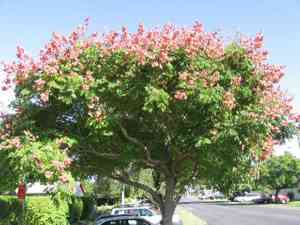
1
The Flamegold rain tree provides impressive seasonal color shifts, boosting its aesthetic charm all year long.
2
Thoughtful placement of the Flamegold rain tree can optimize shade and establish prominent features in your landscape.
3
Appropriate seasonal maintenance of the Flamegold rain tree guarantees vigorous development in spring and summer, and readies it for its winter resting phase.
Appreciating the Aesthetic Qualities of Flamegold Rain Tree
Visual Allure: Seasonal Color Shifts and Unique Foliage
A primary reason to integrate the Flamegold rain tree into your outdoor space is its remarkable visual appeal. Throughout the year, this tree exhibits a transformation in its leaves, introducing a lively burst of color to your garden. Spring and summer bring fresh green leaves that mature into rich, golden hues as autumn arrives. This cyclical color change establishes the Flamegold rain tree as a focal point in any landscape, offering continuous interest and visual variety. Furthermore, its distinctive foliage adds texture to garden layouts, enhancing the overall aesthetic experience.
Decorative Elements: Blooms and Seed Pods
The Flamegold rain tree is celebrated not only for its leaves but also for its striking decorative features. During its blooming season, your garden will be adorned with vivid flower clusters, which are not only visually pleasing but also attract pollinators such as bees and butterflies. Following the flowering period, the Flamegold rain tree produces distinctive seed pods. These ornamental pods hang gracefully from the branches, adding another layer of intrigue to the tree's appearance, even in colder months when many other plants lose their vibrancy.
Height and Canopy Form: Establishing Vertical Layers
The stature and canopy shape of the Flamegold rain tree provide excellent opportunities for creating vertical dimensions in your landscape design. This tree can reach a considerable height, making it perfect for casting shade and creating a sense of enclosure in larger gardens. Its spreading canopy can act as a natural umbrella, forming a cozy, shaded area beneath. This also aids in structuring your garden into distinct layers, adding depth and intricacy to the design. By planting the Flamegold rain tree, you can effectively utilize vertical space, making it a versatile component in various garden styles.
Integrating Flamegold Rain Tree into Diverse Landscape Styles
Traditional Gardens: Enhancing Balance and Formal Structures
In traditional garden environments, where symmetry and formal arrangements are crucial elements, the Flamegold rain tree can be an ideal choice. Its organized growth habit and manageable size allow it to be pruned and shaped according to the specific requirements of formal garden designs. You can plant the Flamegold rain tree along paths, border edges, or as central features in symmetrical layouts, improving the garden's overall structure and equilibrium. With its seasonal changes and ornate characteristics, the Flamegold rain tree can also introduce a dynamic quality to an otherwise static traditional garden.
Modern Landscapes: Flamegold Rain Tree in Minimalist Designs
For those who prefer modern, minimalist landscapes, the Flamegold rain tree offers clean lines and a controlled profile that complements contemporary aesthetics. Its ability to be pruned and shaped makes it perfect for minimalist designs that prioritize simplicity and precision. By using the Flamegold rain tree as a central feature or as part of a structured planting scheme, you can achieve a sleek, streamlined look that aligns with the minimalist approach. The tree's seasonal transformations also add a subtle touch of natural elegance without overwhelming the overall design.
Rustic Settings: Complementing Natural Surroundings
In rustic garden environments, where the aim is to blend seamlessly with the natural scenery, the Flamegold rain tree can be a wonderful addition. Its natural growth habit and vibrant seasonal displays can complement the unstructured, organic feel of rustic landscapes. Plant the Flamegold rain tree near natural water features, among other native plants, or in open fields to enhance its naturalistic appeal. The tree's ability to attract wildlife further enriches the rustic environment, promoting biodiversity and creating a more immersive natural experience.
Strategies for Placing Flamegold Rain Tree in Your Yard
Maximizing Shade and Comfort
When positioning the Flamegold rain tree in your yard, consider its potential to provide ample shade and enhance comfort during warm months. Planting it in areas where shade is desired, such as over seating areas or patios, can create cooler, more pleasant outdoor spaces. The spreading canopy of the Flamegold rain tree acts as a natural barrier against the sun, significantly reducing heat and making your yard a comfortable retreat even on the hottest days.
Focal Points: Guiding the Eye with Deliberate Placement
Creating focal points in your landscape design is vital for directing the viewer's gaze and adding interest to the space. The Flamegold rain tree can serve as a key focal point due to its striking appearance and seasonal variation. Position the Flamegold rain tree at the end of a pathway, in the center of a lawn, or near prominent garden features to attract attention and anchor your design. Its vibrant colors and ornamental characteristics will ensure it remains a standout element throughout the year.
Balancing Sunlight and Water Needs with Nearby Plant Life
Achieving a harmonious balance of sunlight and water requirements among all plants in your garden is crucial for healthy growth. When planting the Flamegold rain tree, consider the light and water needs of adjacent plants. Place it where it can receive sufficient sunlight without overshadowing sun-loving species. Additionally, ensure that the watering needs of the Flamegold rain tree and surrounding plants are compatible, fostering a cohesive and thriving garden environment. By carefully considering these factors, you can create a balanced and sustainable landscape.
Seasonal Considerations for Flamegold Rain Tree in Landscape Designs
Spring and Summer: Planning for Robust Growth
Spring and summer are crucial periods for planning and ensuring the vigorous growth of the Flamegold rain tree. During these seasons, focus on providing ample water and nutrients as the tree's growth accelerates. Regular pruning and upkeep will help shape the tree and encourage healthy foliage and flower production. By attending to the Flamegold rain tree's needs during the peak growing months, you can enjoy its full beauty and contribution to your landscape.
Autumn and Winter: Preparing for Inactivity
As autumn approaches, it's time to prepare the Flamegold rain tree for the dormant winter months. Gradually reduce watering to signal the tree to slow its growth. Clear away fallen leaves and pods to prevent any potential pest infestations. Applying mulch around the base can protect the roots from extreme cold. By taking these steps, you help the Flamegold rain tree conserve energy for the winter and prepare it for a strong resurgence in the spring.



