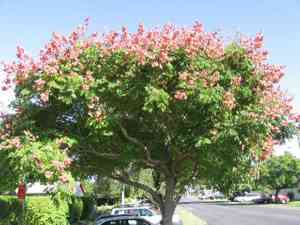
Flamegold rain tree(Koelreuteria elegans)

Flamegold rain tree (Koelreuteria elegans)

Also known as: Flamegold, Koelreuteria henryi dümmer

The Flamegold Rain Tree (Koelreuteria elegans), originally from China, is a decorative tree that has become invasive in many regions globally. It poses significant environmental challenges in places like Hawaii and Brisbane, Australia.

Attributes of Flamegold rain tree

Lifespan
Perennial
Plant Type
Tree
Plant Height
15 m to 17 m
Spread
9 m to 15 m
Leaf Color
Green, turning yellow in autumn
Flower Size
5 mm
Flower Color
Yellow

ForwardPlant - Identify plants with a snap

Identify and diagnose plants, get toxicity alerts, and explore safety guides for all types of fungi.

Try for Free

Images of Flamegold rain tree

Flamegold rain tree(Koelreuteria elegans)

Quickly Identify Flamegold rain tree

1
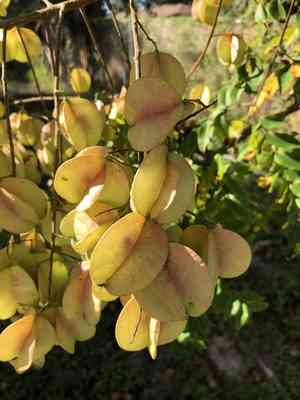
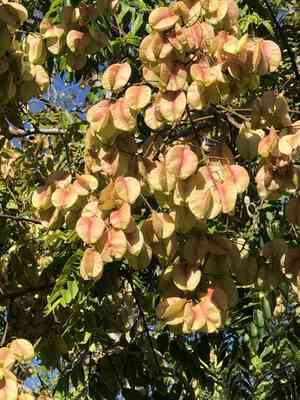
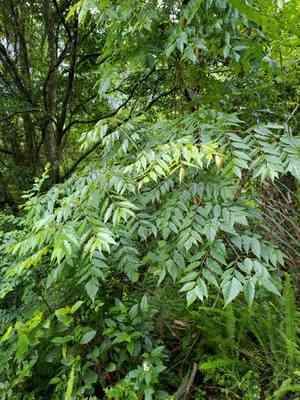
Koelreuteria elegans can be identified by its compound leaves, the bright yellow flowers that appear in large panicles, and the distinctive papery, lantern-shaped seed pods which turn from green to brown as they mature.

Scientific Classification of Flamegold rain tree

Phylum
Vascular plants
Class
Dicotyledons
Order
Sapindales
Family
Soapberry
Genus
Golden rain trees
Species
Flamegold rain tree

Planting and Growing of Flamegold rain tree

Care Difficulty
Easy
Watering Schedule
Every 2 days
Sunlight Requirements
Full sun
Sunshine Duration
4-6 hours
Ideal Temperature
60-75℉
Soil Type
Potting Mix, Peat Mix
Soil pH
6.5-7.5
Fertilizer Type
Balanced
Pruning Season
Spring, Summer
Pruning Area
Branches, Leaves
Pruning Frequency
2 times a year
Repotting Season
Spring
Pot Type
Plastic, Ceramic

water icon How to Water Flamegold rain tree?

For Koelreuteria elegans, aim to provide about 1000 ml per watering session. Ensure the water reaches the root zone to maintain evenly moist soil, but avoid waterlogging. Water should seep into the soil gradually, which can help avoid root rot and promote healthy growth.
What are the symptoms of an underwatered Flamegold rain tree?
What should I do if my Flamegold rain tree is not getting enough water?
What are the symptoms of an overwatered Flamegold rain tree?
How to save an overwatered Flamegold rain tree?

sunlight icon What Are the Sunlight Requirements for Flamegold rain tree?

Sunlight Requirements: Full sun, Partial sun
Duration of light: 6 to 8 hours daily
Koelreuteria elegans ideally requires full to partial sun with 6 to 8 hours of daily exposure. This light range facilitates robust growth and plentiful blooming, providing the energy needed for a healthy lifecycle.
What is the best location for Koelreuteria elegans?
How can I ensure my plant receives enough light indoors?
What benefits do ideal lighting conditions provide?
More About Sunlight Requirements Techniques

temperature icon What Is the Ideal Temperature Range for Flamegold rain tree?

Ideal Temperature: 60 ~ 75℉
The optimal temperature range for growing Koelreuteria elegans is between 60°F and 75°F. This range ensures healthy growth and allows the plant to thrive, promoting vibrant foliage and successful flowering. Maintaining temperatures within this range mimics the plant's natural habitat, thus reducing stress and enhancing its growth performance over time.

soil icon What Soil is Best for Flamegold rain tree?

Soil type: Loam, Sandy loam, Clay soil
Soil PH: 6.5 ~ 7.5
Koelreuteria elegans prefers well-draining soil to prevent waterlogging, which can lead to root rot. This type of soil allows excess water to drain away, keeping roots healthy and promoting optimal plant growth. A nutrient-rich soil is essential for providing Koelreuteria elegans with the necessary minerals and elements to thrive. It supports robust growth and vibrant foliage, as well as promoting flowering. The soil should retain enough moisture to keep the plant hydrated without causing oversaturation. This balance prevents dehydration while also reducing the risk of fungal diseases common in excessively moist environments.

fertilize icon How to Fertilize Flamegold rain tree?

Fertilizer type: Balanced
For Koelreuteria elegans, it's crucial to avoid over-fertilizing as it can lead to root damage. Use about 100 grams of balanced N-P-K (5-5-5) fertilizer per square meter for solid fertilizers. For liquid fertilizers, dilute according to the product's instructions, ensuring a gentle feed.

prune icon How to Prune Flamegold rain tree?

Pruning Time: Spring, Summer
Over-pruning can stress the tree, leading to poor flowering and growth. Always opt for minimal intervention, focusing on necessary structural corrections and dead wood removal to promote the tree's natural growth habit. Always use clean and sharp pruning tools to make precise cuts, reducing the risk of infection and encouraging quicker healing. Cleanliness ensures that no diseases are transferred between plants. More About Pruning Techniques

propagate icon How to Propagate Flamegold rain tree plant?

Propagate Time: Early spring,Spring
1
Soak the seeds in warm water for 24 hours to soften the seed coat and improve germination rates. This step is crucial for breaking seed dormancy.
2
Fill seed trays with a well-draining potting mix and sow the seeds about 1 inch apart. Cover lightly with soil and water thoroughly. Place in a warm, sunny location.
3
Select healthy, non-flowering shoots and cut sections about 6 inches long. Remove the lower leaves and dip the cut end in rooting hormone before planting in moist soil.
More About Propagating Techniques

repot icon How to Repot Flamegold rain tree plant?

Repotting frequency: Every two to three years
1
Repotting Koelreuteria elegans should be considered when you notice its growth slowing significantly, roots are visibly growing out of the drainage holes, or soil is no longer retaining moisture. Such indicators suggest the plant needs more space or replenished nutrients to thrive.
2
Select a pot that is just 1-2 inches larger in diameter than the current one. This ensures the roots have room to expand without being over-exposed to excess soil, which can retain too much moisture, leading to root rot. A pot with good drainage holes is essential to prevent water stagnation.
3
Opt for a well-draining potting mix enriched with organic matter, such as compost. This type of soil provides adequate aeration and nutrients vital for the plant's healthy growth and prevents water from pooling around the roots.

ForwardPlant - Identify plants with a snap

Find the best spots for them to optimize their health, simply using your phone.

Try for Free

Toxicity of Flamegold rain tree

Is Flamegold rain tree toxic to humans?

The flamegold rain tree exhibits a mild degree of toxicity to humans, predominantly when its leaves and seeds are consumed. This toxic characteristic is attributed to the alkaloids present in these sections of the plant. Upon ingestion, individuals may encounter various symptoms, which can encompass gastrointestinal issues such as nausea, vomiting, and diarrhea. Moreover, the symptoms can also include neurological effects, such as headaches or dizziness. It is crucial for all individuals, particularly children who might be attracted to the plant's bright colors, to steer clear of unintended ingestion of these toxic components. The mild toxicity of the flamegold rain tree necessitates a degree of caution to avert any possible poisoning occurrences.

Is Flamegold rain tree toxic to cat?

The flamegold rain tree is recognized as having a mild level of toxicity to cats. If felines consume parts of this plant, particularly the leaves and seeds rich in alkaloids, they may experience various symptoms of physical distress. Cat owners who witness their pets nibbling on the flamegold rain tree or showing signs of illness must promptly seek veterinary assistance to secure the best possible outcome for their furry friends. To ensure the safety of cats, it is essential to restrict their access to flamegold rain tree and respond quickly if any exposure takes place.

Is Flamegold rain tree toxic to dog?

The flamegold rain tree is recognized for its mildly toxic effects on dogs. This plant can pose a poisoning risk if consumed by dogs, an occurrence that can happen frequently due to their inquisitive nature and habit of gnawing on various plants. The components of the flamegold rain tree that are considered dangerous include the leaves and seeds, which harbor toxic alkaloids. Ingesting these parts may lead to symptoms in dogs such as gastrointestinal distress, vomiting, or diarrhea. Hence, it is essential for dog owners to keep watch over their pets and restrict their access to the flamegold rain tree to prevent accidental consumption. Should a dog ingest any parts of this tree, seeking immediate veterinary care is vital to address any possible poisoning.

Identify toxic plants for your safety

Learn which plants are harmful to you and your pets, and make informed choices for a safer home!

Try for Free
WARNING
The judgment on toxicity and danger is for reference only. We DO NOT GUARANTEE any accuracy of such judgment. Therefore, you SHALL NOT rely on such judgment. It is IMPORTANT TO SEEK PROFESSIONAL ADVICE in advance when necessary.
More About Toxic Techniques