How to Prune Flamegold rain tree?
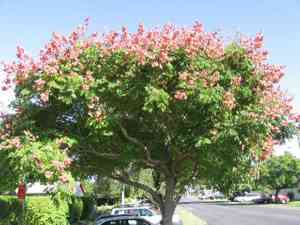
The flamegold rain tree, a deciduous species recognized for its clusters of yellow blossoms and inflated, bladder-like seed pods, benefits from regular trimming to preserve its form and vitality. Conduct pruning of the flamegold rain tree during the late winter or early spring period, prior to the emergence of new foliage. Eliminate any branches that are dead, compromised, or excessively dense to enhance air movement and light exposure. Reducing the density of the crown assists in averting ailments. Furthermore, pruning contributes to managing its dimensions, eradicating basal shoots, and fostering abundant blooming. Always employ sanitized, keen implements for making accurate incisions.
What Are the Benefits of Pruning Flamegold Rain Tree?
What Are the Benefits of Pruning Flamegold Rain Tree?
Trimming flamegold rain tree encourages robust development and preserves its decorative form. This action revitalizes the tree by eliminating old or congested branches, fostering the growth of strong, healthy new shoots and improving the tree's structural integrity.
What Is the Best Time for Pruning Flamegold Rain Tree?
What Is the Best Time for Pruning Flamegold Rain Tree?
Trimming flamegold rain tree in late winter or early spring is optimal as the plant remains dormant, prior to its new growth phase. This timing allows for shaping without harming new shoots. Additionally, the tree's structure is clearer without leaves, enabling more accurate cuts. Late winter pruning also lowers disease transmission risks, as many pathogens and pests are less active in cold weather. This period precedes the spring growth spurt, ensuring quick healing of cuts as the plant enters its active growth. Furthermore, pruning before flowering and fruiting allows flamegold rain tree to channel energy into a vibrant display of flowers and fruits in the subsequent season.
What Tools Do I Need to Prune Flamegold Rain Tree?
Hand Pruners
Perfect for precise cuts on young or slender branches of flamegold rain tree, enabling careful shaping and removal of unwanted growth without causing undue harm to the plant.
Lopping Shears
Suitable for severing thicker branches that hand pruners cannot manage. Their long handles provide leverage for cutting branches up to 1.5 inches in diameter, crucial for the annual upkeep of flamegold rain tree.
Pruning Saw
Essential for removing larger limbs from mature flamegold rain tree specimens. A pruning saw offers the necessary power and control for clean cuts on branches exceeding 1.5 inches in thickness without tearing the bark.
Pole Pruner
Useful for reaching higher branches of flamegold rain tree, which might be challenging to access with standard lopping shears. A pole pruner extends reach to safely trim branches without needing a ladder.
How to Prune Flamegold Rain Tree
Clean Tools
Before beginning, sanitize pruning implements with a bleach-to-water solution (1:9 ratio) to prevent disease spread.
Inspect Tree
Thoroughly examine flamegold rain tree for any dead or diseased branches. Look for discolored, unusually growing, or visibly damaged branches.
Cut Dead Branches
Using the disinfected tools, carefully sever dead branches at their origin or back to a healthy lateral branch. Make cuts at a 45-degree angle to encourage water runoff and deter disease.
Remove Diseased Branches
Eliminate diseased branches by cutting them well below the affected area to ensure no disease remains. Avoid cutting into healthy tissue to prevent pathogen spread.
Disposal
Properly discard all dead and diseased branches away from healthy plants to prevent any potential disease transmission to flamegold rain tree or other nearby plants.
Common Pruning Mistakes with Flamegold Rain Tree
Over-Pruning
Excessive pruning can stress flamegold rain tree, leading to a weak structure or reduced flowering. Avoid removing more than one-third of the plant in a single pruning session.
Improper Cuts
Incorrect cutting techniques can damage flamegold rain tree's stems and branches, inviting disease and pests. Cuts should be made just above a node or lateral branch at a 45-degree angle for proper healing.
Neglecting Deadwood
Failure to remove dead or diseased wood can result in a less vigorous plant more susceptible to pest infestations. Regularly inspect flamegold rain tree for unhealthy wood and remove it promptly.
Unsterilized Tools
Using unsanitized tools can spread disease between plants. Always sterilize pruning tools before using them on flamegold rain tree.
Pruning At Wrong Time
While timing specifics are excluded, pruning at inappropriate times during the growth cycle can impact flamegold rain tree's bloom and overall health.
Stripping Interior
Removing too many inner branches can reduce air circulation and light penetration, negatively affecting flamegold rain tree's vitality and bloom potential.
Common Pruning Tips for Flamegold Rain Tree
Correct Equipment
Utilize sharp, clean, and suitable tools for pruning flamegold rain tree to make precise cuts without harming the branches.
Identify Growth Pattern
Understand flamegold rain tree's growth habit to determine which branches to prune. This helps maintain the plant's natural shape and encourages proper development.
Targeted Pruning
Focus on removing only the necessary parts of flamegold rain tree such as dead, diseased, or rubbing branches to maintain plant health without excessive cutting.
Thin Outer Canopy
Thin out some of the outermost branches of flamegold rain tree to enhance light penetration and air flow, which can help prevent disease and promote robust growth.
Encourage Strong Structure
Prune flamegold rain tree to encourage a strong branch structure, removing narrow-angled branches that may weaken over time and cause structural issues.
Wound Care
After making cuts on flamegold rain tree, ensure proper wound care by allowing them to heal naturally. Avoid applying wound dressing, as it can hinder the healing process.



