How to Transplant Sharpleaf cancerwort?
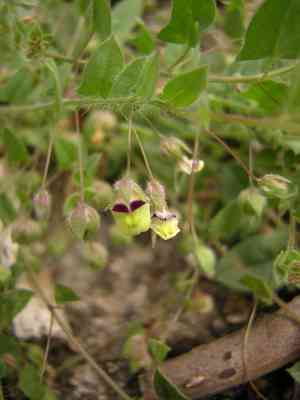
The ideal period for relocating sharpleaf cancerwort spans from early spring through late spring, providing a mild environment conducive to root development. Select a location that receives ample sunlight to partial shade and features soil with good drainage. Exercise caution with the fragile root system throughout the procedure.
Necessary Preparations Before Relocating Sharpleaf Cancerwort?
When is the Best Time to Move Sharpleaf Cancerwort?
The prime period for relocating sharpleaf cancerwort spans from early spring to the onset of summer. This timeframe offers ideal moderate temperatures and consistent growing conditions, promoting strong root development and growth. Moving them during this window leverages longer days and warmer soil, ensuring sharpleaf cancerwort gets the best start. It's an excellent chance for gardeners to see their sharpleaf cancerwort flourish in its new spot, with the full potential of the growing season ahead.
What Distance Should Be Maintained Between Sharpleaf Cancerwort Plants?
Begin by preparing comfortable spots for your sharpleaf cancerwort plants, positioning them 4-6 inches (10-15 cm) apart. This provides each plant ample room to thrive without competing for nutrients or sunlight.
What is the Optimal Soil Blend for Sharpleaf Cancerwort Relocation?
For the healthiest sharpleaf cancerwort, prepare a bed with soil that drains well. Incorporate a mild, balanced fertilizer to give them a nourishing start. A loamy base mix is perfect, ensuring the soil is fertile and ready for growth.
Where Should You Replant Your Sharpleaf Cancerwort?
Select a sunny location for your sharpleaf cancerwort where they will receive full to partial sunlight. Remember, these resilient plants love the sun but will appreciate a break with some afternoon shade, especially in hotter climates.
What Tools Are Needed Before Relocating Sharpleaf Cancerwort?
Gardening Gloves
To safeguard your hands while handling soil and plants.
Trowel or Transplanting Shovel
For carefully extracting sharpleaf cancerwort without harming roots when removing from a pot, seedling tray, or ground.
Watering Can or Hose
To hydrate sharpleaf cancerwort before and after relocation to minimize transplant shock.
Pruning Shears
To trim any damaged roots or excess foliage prior to transplanting.
Measuring Tape
To ensure the relocation hole has the correct depth and width for sharpleaf cancerwort's root ball.
Wheelbarrow or Plant Carrier
To safely move sharpleaf cancerwort from one spot to another without harming the plant.
How to Extract Sharpleaf Cancerwort from the Ground?
How to Extract Sharpleaf Cancerwort from the Ground?
From Ground: Gently moisten the sharpleaf cancerwort's soil with water. Use a trowel or transplanting spade to dig a wide circle around the plant, going deeper than the root ball to avoid cutting roots. Carefully work the tool beneath the root ball and gently lift the plant from its current position.From Pot: Water the sharpleaf cancerwort to facilitate easier removal from its container. Tilt the pot sideways and gently tap or press on the sides to loosen the root ball. Grasp the plant's base and carefully ease it out of the pot, supporting the root ball with your hand.From Seedling Tray: Gently water the tray to ensure the soil is moist. Use a trowel or your fingers to carefully loosen the soil around the desired seedling. Gently hold the seedling by its leaves, not the stem, and lift it out, making sure to retain as much soil around the roots as possible.
Step-by-Step Guide for Relocating Sharpleaf Cancerwort
Relocation Preparation
Ensure sharpleaf cancerwort and its root ball are moist and shielded from strong wind or sun during transit to the new site.
Hole Preparation
Excavate a hole in the ground slightly larger than the root ball. Loosened soil at the bottom of the hole aids root expansion.
Root Examination
Inspect the roots of sharpleaf cancerwort. Trim any broken or damaged roots with pruning shears to encourage healthy regrowth.
Plant Positioning
Place sharpleaf cancerwort in the center of the hole at the same depth it was previously growing. Orient the plant in your desired direction before backfilling the hole.
Soil Refill
Gently backfill the hole with soil, patting it down around the roots to eliminate air pockets. Water thoroughly to settle the soil.
Mulching
Apply mulch around the base of sharpleaf cancerwort without touching the stem to conserve moisture and regulate soil temperature.
How to Care for Sharpleaf Cancerwort After Relocation?
Watering Consistency
Water sharpleaf cancerwort regularly to ensure the soil stays consistently moist, promoting root establishment in its new location.
Root Monitoring
Observe the plant for signs of stress and check the stability of sharpleaf cancerwort in the soil after a few days, re-stabilizing if necessary.
Pruning
If sharpleaf cancerwort exhibits signs of stress, such as yellowing leaves, prune back the foliage to reduce demand on the roots as they establish.
Environmental Protection
Shield sharpleaf cancerwort from strong winds or extreme temperatures for the initial weeks by using appropriate plant supports or protective covers if needed.
Troubleshooting Common Issues with Sharpleaf Cancerwort Relocation.
What's the ideal time to relocate sharpleaf cancerwort for optimal growth?
The perfect window for relocating sharpleaf cancerwort is during early to late spring when the weather is mild.
How much space does sharpleaf cancerwort need between plants when relocating?
Give each sharpleaf cancerwort a generous spread of 4-6 inches (10-15 cm) to ensure they thrive.
What kind of sunlight exposure does sharpleaf cancerwort require post-relocation?
Ensure sharpleaf cancerwort is in a spot with plenty of sunshine to encourage healthy development after relocating.
How deep should I plant sharpleaf cancerwort when relocating?
Relocate sharpleaf cancerwort so that the root ball sits just below the soil surface, not too deep.
Can I relocate sharpleaf cancerwort during the summer or fall?
Relocating sharpleaf cancerwort outside the early to late spring window could stress the plant, risking its health.
What type of soil best supports sharpleaf cancerwort after relocating?
Use well-draining soil rich in organic matter to provide sharpleaf cancerwort with a nurturing environment post-relocation.
How do I water sharpleaf cancerwort after relocating it?
Water sharpleaf cancerwort gently but thoroughly to settle the soil around the roots and eliminate air pockets.
What should I do if sharpleaf cancerwort shows relocation shock symptoms?
Keep the soil moist and avoid fertilizing until sharpleaf cancerwort shows signs of recovery; patience is key.
Can sharpleaf cancerwort be relocated into a container?
Definitely! Just ensure the container is spacious and has excellent drainage to accommodate sharpleaf cancerwort's growth.
How to prevent relocation damage to sharpleaf cancerwort's roots?
Carefully handle the root ball of sharpleaf cancerwort during relocation to maintain its integrity and prevent stress.



