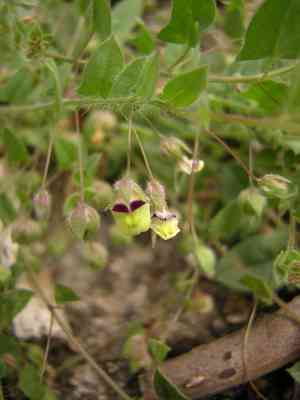
Sharpleaf cancerwort (Kickxia elatine)
Also known as: Sharp-leaved fluellen, Canker root, Sharp-point fluvellin
**Kickxia elatine**, commonly known as sharp-leaved fluellen, is a flowering plant species indigenous to Europe and Asia. It is sometimes referred to as sharpleaf cancerwort. This species has become invasive in several areas.
In This Article
Attributes of Sharpleaf cancerwort
Lifespan
Annual, Perennial
Plant Type
Herb
Plant Height
50 cm
Spread
N/A
Leaf Color
Green
Flower Size
Approximately 1 cm
Flower Color
White Yellow Green Purple
Images of Sharpleaf cancerwort
Quickly Identify Sharpleaf cancerwort
1
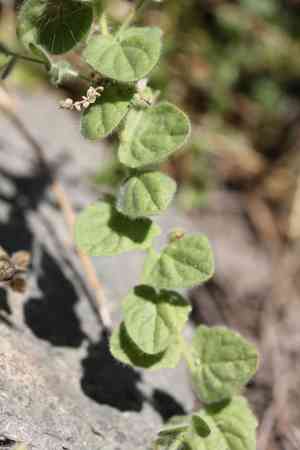
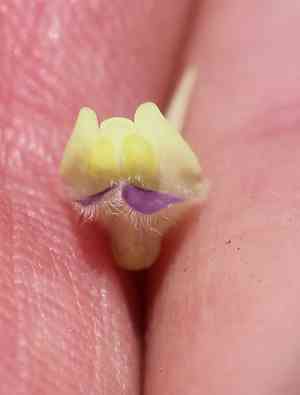
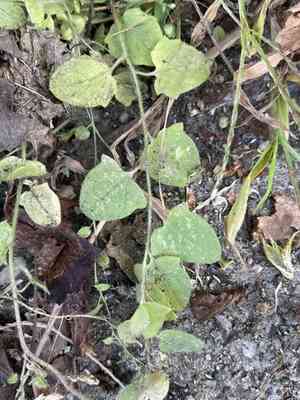
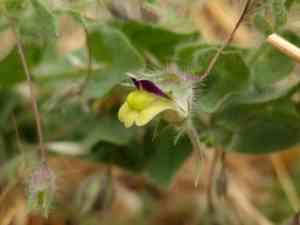
Kickxia elatine can be identified by its sprawling growth habit, small yellow flowers with a purple throat, and sharply pointed leaves that are ovate to lanceolate in shape.
Scientific Classification of Sharpleaf cancerwort
Phylum
Vascular plants
Class
Dicotyledons
Order
Lamiales
Family
Plantain
Genus
Cancerworts
Species
Sharpleaf cancerwort
Planting and Growing of Sharpleaf cancerwort
Care Difficulty
Easy
Watering Schedule
Every 4 days
Sunlight Requirements
Partial sun
Sunshine Duration
4-8 hours
Ideal Temperature
60-75℉
Soil Type
Potting Mix, Peat Mix
Soil pH
6.5-7.5
Fertilizer Type
Balanced
Pruning Season
Spring, Summer
Pruning Area
Branches, Leaves
Pruning Frequency
2 times a year
Repotting Season
Spring
Pot Type
Plastic, Ceramic
 How to Water Sharpleaf cancerwort?
Kickxia elatine requires moderate watering, approximately 200 milliliters each time. It's essential to water until the soil feels slightly damp but not soaking wet, ensuring the pot provides sufficient drainage to prevent waterlogging.
What are the symptoms of an underwatered Sharpleaf cancerwort?
›
What should I do if my Sharpleaf cancerwort is not getting enough water?
›
What are the symptoms of an overwatered Sharpleaf cancerwort?
›
How to save an overwatered Sharpleaf cancerwort?
›
 What Are the Sunlight Requirements for Sharpleaf cancerwort?
Kickxia elatine ideally requires partial sun, engaging in photosynthesis with 4-6 hours of gentle yet sufficient light. This access to moderate sunlight significantly boosts its metabolism and strengthens physical structure.
More About Sunlight Requirements Techniques→
How much sunlight does Kickxia elatine need?
›
What kind of environment best suits Kickxia elatine?
›
How can I simulate ideal light conditions if natural light is insufficient?
›
 What Is the Ideal Temperature Range for Sharpleaf cancerwort?
Kickxia elatine thrives in a moderate climate with temperatures ranging from 60°F to 75°F. This range supports its metabolic processes, ensuring healthy growth and flowering. Consistent temperatures within this range will promote vigorous foliage and robust flowering cycles, making it essential for achieving full growth potential.
 What Soil is Best for Sharpleaf cancerwort?
Kickxia elatine thrives in well-drained soils, as waterlogged conditions can lead to root rot. Good soil drainage ensures roots have adequate oxygen, promoting healthy plant growth and robust flowering. While too much water can be detrimental, Kickxia elatine benefits from soil that retains a moderate amount of moisture. This balance helps in preventing dehydration during dry spells, ensuring continuous nutrient uptake. Kickxia elatine prefers nutrient-rich soils that provide essential minerals for growth. A well-fertilized soil, preferably with organic matter, ensures vigorous growth and a lush appearance.
 How to Fertilize Sharpleaf cancerwort?
For Kickxia elatine, use a balanced liquid fertilizer with a dilution of 50% of the recommended dose. Apply about 100-150 ml of this diluted solution per plant to promote healthy growth and flowering.
 How to Prune Sharpleaf cancerwort?
Begin by inspecting the plant for any dead or discolored leaves and stems, removing them carefully to encourage new growth. Use clean, sharp pruning shears to make precise cuts just above leaf nodes to promote branching. Focus on maintaining the plant's shape by trimming overly long vines back to a manageable length. This process not only improves the plant's appearance but also encourages denser and healthier growth.
More About Pruning Techniques→
 How to Propagate Sharpleaf cancerwort plant?
1
Begin by filling seed trays with sterile potting mix. Lightly press the seeds onto the surface but do not bury them as they require light for germination. Water gently to moisten.
2
Place the seed trays in a bright area with indirect sunlight. Ensure they receive plenty of light, as insufficient lighting can hinder germination and growth.
3
Consistently check the moisture level of the potting mix. Keep it moist but not waterlogged, as too much water can rot the seeds, while too little will halt the germination process.
 How to Repot Sharpleaf cancerwort plant?
1
Kickxia elatine should be repotted when you notice roots creeping out of the drainage holes, or the soil dries out too quickly after watering. Spring and summer provide optimal conditions due to active growth, allowing the plant to adjust more easily. If leaves yellow or grow sparse despite good watering, it's time for fresh soil.
2
Choose a pot that is one size larger than the current pot, no more than 2 inches wider in diameter. This prevents excessive soil moisture retention, safeguarding against root rot while ensuring a snug fit for the roots. Opt for pots with drainage holes to maintain healthy roots, allowing excess water to escape.
3
A well-draining potting mix, composed of equal parts peat, loam, and perlite or sand, ensures proper aeration and moisture balance. This mix supports root health by preventing waterlogged conditions and enhances nutrient uptake, helping the plant thrive in its new environment.
Toxicity
Ingestion
WARNING
The judgment on toxicity and danger is for reference only. We DO NOT GUARANTEE any accuracy of such judgment. Therefore, you SHALL NOT rely on such judgment. It is IMPORTANT TO SEEK PROFESSIONAL ADVICE in advance when necessary.
Learn More About Sharpleaf cancerwort Diseases
Anthracnose
Bacterial Leaf Spot
Bacterial Soft Rot
Bacterial Wilt
Chemical Injury
Damping-off
Downy Mildew
Drought Stress
Fusarium Wilt
Gray Mold
Leaf Spot
Mosaic
Nutrient Deficiency
Nutrient Toxicity
Powdery Mildew
Root Rot
Root-knot Nematode
Rusts
Sooty Mold
Spider Mites
Temperature Stress
Thrips Damage
White Mold



