How to Prune Sharpleaf cancerwort?
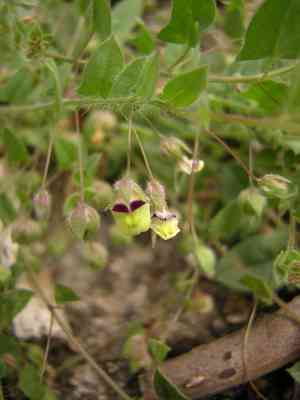
This enduring herbaceous species is recognized for its spreading nature and diminutive snapdragon-esque blossoms. For sharpleaf cancerwort, trimming is most effectively carried out from spring through early autumn. Consistent removal of faded flowers stimulates additional flowering and inhibits self-propagation. Trim back withered stalks to preserve its form and foster more compact development. Pruning also aids in managing its expansion in cultivated areas, guaranteeing sharpleaf cancerwort continues to be an appealing feature without monopolizing territory. Refrain from winter pruning to shield the plant from frost harm.
What Are the Benefits of Pruning Sharpleaf Cancerwort?
What Are the Benefits of Pruning Sharpleaf Cancerwort?
Trimming sharpleaf cancerwort promotes robust development by channeling energy to fresh shoots and blossoms. It also preserves the plant's form for visual appeal and a compact structure, vital for its overall well-being and garden integration.
What Is the Best Time for Pruning Sharpleaf Cancerwort?
What Is the Best Time for Pruning Sharpleaf Cancerwort?
Pruning or trimming sharpleaf cancerwort in Spring helps remove dead or damaged stems from winter dormancy and supports new growth. Early Summer pruning is ideal for shaping the plant before its peak summer growth, ensuring strong health and improving air circulation within the foliage. Early Fall pruning helps remove spent flowers and prevents the plant from diverting energy into seed production; however, avoid late Fall pruning as it can stimulate new growth that may not survive winter temperatures. These seasons align with sharpleaf cancerwort's growth cycles and ensure pruning does not interfere with its flowering period, thus preserving its health and vigor.
What Tools Do I Need to Prune Sharpleaf Cancerwort?
Hand Pruners
Perfect for precise cuts on sharpleaf cancerwort's tender stems and leaves. Ergonomic design ensures clean cuts without harming the plant.
Garden Scissors
Suitable for trimming delicate areas of sharpleaf cancerwort, enabling detailed shaping and upkeep.
Pruning Shears
Useful for cutting back sharpleaf cancerwort if more significant growth management is required. These shears can handle slightly thicker stems, ensuring quick and efficient work.
Gloves
Protective gloves should be worn to prevent any irritation from sharpleaf cancerwort's sap during pruning activities.
How to Prune Sharpleaf Cancerwort
Clean Tools
Before beginning to prune sharpleaf cancerwort, ensure all pruning tools are clean and disinfected to prevent disease transmission.
Identify
Locate the withered leaves on sharpleaf cancerwort that require removal. These are typically brown, dry, and may be curled or drooping.
Cut
Using sharp scissors or pruning shears, snip off the withered leaves at their base where they meet the stem. Be careful not to damage adjacent healthy tissue.
Dispose
Gently remove the trimmed debris from around the base of sharpleaf cancerwort to deter pests and disease. Properly dispose of the withered leaves, away from the garden area.
Inspect
After pruning, briefly inspect sharpleaf cancerwort for signs of pests, damage, or other diseased foliage that may need attention to maintain the plant's health.
Common Pruning Mistakes with Sharpleaf Cancerwort
Over Pruning
Removing too much foliage from sharpleaf cancerwort at once can stress the plant, leading to poor growth or even plant death.
Pruning Into Old Wood
Cutting back into the old, woody stems of sharpleaf cancerwort may prevent it from producing new shoots, as this plant may not readily sprout from old wood.
Using Dull Tools
Dull pruning tools can cause jagged cuts, which can lead to disease and pest infestations in sharpleaf cancerwort.
Improper Cut Location
Cutting too far away from a bud or node may leave a long stem piece that can rot and invite disease. Conversely, cutting too close can damage the bud.
Ignoring Diseased Material
Failing to remove diseased or damaged growth can allow problems to spread throughout sharpleaf cancerwort, reducing vigor and floral display.
Common Pruning Tips for Sharpleaf Cancerwort
Clean Cuts
Make clean, angled cuts just above the nodes or buds to encourage healthy new growth without harming sharpleaf cancerwort.
Selective Pruning
Practice selective pruning to open up the plant canopy, which increases air circulation and light penetration for sharpleaf cancerwort, promoting better health and flowering.
Rejuvenation Pruning
Perform mild rejuvenation pruning by cutting back a few of the older stems to stimulate new growth and maintain vigor in sharpleaf cancerwort.
Sterilization Of Tools
Sterilize pruning tools before and after use to prevent the spread of disease among your plants, including sharpleaf cancerwort.
Pruning For Shape
Prune sharpleaf cancerwort to maintain the desired shape or to remove spent flowers, which encourages a second flush of blooms without compromising the plantâs natural form.



