How to Propagate Sharpleaf cancerwort?
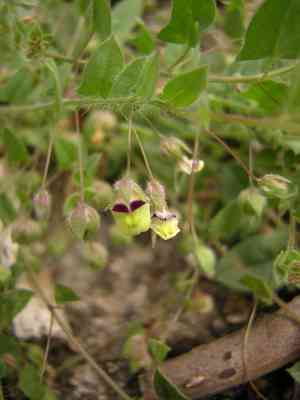
This enduring herbaceous plant, a member of the Scrophulariaceae lineage, flourishes in diverse environments such as disturbed areas and open fields. For multiplying sharpleaf cancerwort, seed dispersal offers a dependable approach. Cultivators ought to utilize newly collected seeds, preferably gathered straight from the parent plant upon ripening, to guarantee elevated sprouting percentages. Broadcasting seeds on the surface is advised since sharpleaf cancerwort needs illumination for germination. Prudent moisture regulation is vital to prevent seed dislodgement or decay, and a substrate that drains effectively improves outcomes. Once rooted, sharpleaf cancerwort can naturally reseed itself, progressively enlarging its footprint within a cultivated space.
Optimal Time for Sharpleaf Cancerwort Propagation
Propagation Method
Sowing
Propagation Period
Spring
Tools for Sharpleaf Cancerwort Propagation
Seed trays
Seed trays are essential for propagating sharpleaf cancerwort via sowing. They enable controlled seed distribution, ensuring each seed has ample room to sprout without competition. Their shallow depth and uniform compartments facilitate even water distribution and easier management of young seedlings.
Fine-grained potting mix
A fine-textured potting mix is vital for sharpleaf cancerwort seed germination. This soil type ensures good seed-to-soil contact, crucial for capillary action, which helps seeds absorb water effectively. The fine texture also allows delicate sharpleaf cancerwort roots to penetrate easily, promoting better root development.
Misting bottle
A misting bottle is used to gently water sharpleaf cancerwort seeds without disturbing their position in the soil. The fine mist provides uniform moisture distribution, critical for germination, while minimizing the risk of washing away or burying seeds too deeply.
Clear plastic cover
A clear plastic cover helps create a miniature greenhouse effect over sharpleaf cancerwort seed trays. It maintains high humidity and stable temperatures, both crucial for boosting germination rates. The cover's transparency also allows sunlight penetration, necessary for seedling growth without frequent removal.
How to Propagate Sharpleaf Cancerwort?
Propagation Type
Easy
Caring for Newly Propagated Sharpleaf Cancerwort
Caring for Newly Propagated Sharpleaf Cancerwort
Once sharpleaf cancerwort seeds have germinated and seedlings are established, gradually introduce them to outdoor conditions if they were started indoors. Transplant them to a sunny or partially shaded spot in well-draining soil. Water regularly to keep the soil moist but not waterlogged, and apply a balanced, slow-release fertilizer to encourage robust growth. Monitor for pests or diseases and treat as needed to maintain plant health.
Common Propagation Errors to Avoid with Sharpleaf Cancerwort
Overwatering
Excessive watering can lead to saturated soil, which is harmful to sharpleaf cancerwort's root health. This condition can cause root rot, impeding nutrient uptake and potentially killing sharpleaf cancerwort.
Deep planting
Planting sharpleaf cancerwort's seeds or cuttings too deeply can hinder proper germination and root development. This depth issue can result in poor or failed propagation due to insufficient access to light and air.
Ignoring light requirements
Sharpleaf cancerwort needs adequate light for successful growth, but too much direct sun can scorch leaves, while too little can stunt development. Balancing light exposure is key for optimal health.
Neglecting soil preparation
Failing to properly prepare the soil before planting sharpleaf cancerwort can lead to poor soil structure and nutrient deficiencies, both of which can significantly impact sharpleaf cancerwort's growth and propagation success.
Tips For Propagating Sharpleaf Cancerwort
Moisture control
Ensure the soil remains consistently damp but not waterlogged. Utilizing well-draining soil will help prevent issues associated with overwatering.
Light adjustment
Provide sharpleaf cancerwort with bright, indirect illumination. This moderate light level will support healthy growth without the risk of leaf burn.
Adequate seeding depth
Sow sharpleaf cancerwort's seeds lightly on the soil surface or cover them with a very thin layer of soil. This promotes effective germination by allowing easier access to light and air.
Soil enrichment
Incorporate organic matter into the soil before planting sharpleaf cancerwort. This improves soil structure, enhances nutrient availability, and supports overall healthier growth.



