How to Transplant Bog-laurel?
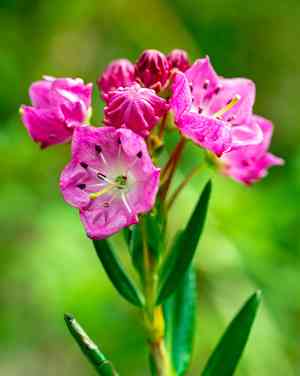
Bog-laurel flourishes optimally when relocated in the initial part of spring or the middle of autumn, owing to more moderate weather conditions. Select a moist, acidic ground site that receives partial sunlight. Prompt relocation reduces shock, ensuring a seamless settling-in phase for this enduring plant.
What Preparations are Necessary Before Relocating Bog-laurel?
What is the Optimal Period for Moving Bog-laurel?
The best times to move bog-laurel are during early spring or mid-autumn. Relocating in early spring allows the plant to establish its root system prior to the active growth season, while mid-autumn offers cooler temperatures and increased humidity, aiding root settlement without the stress of summer heat. Both periods ensure the plant flourishes in its new spot, promoting optimal development and health.
What Distance Should You Maintain Between Bog-laurel Plants?
When relocating bog-laurel, ensure a spacing of 2-3 feet (60-90 cm) between them. This provides ample room for their growth and development without overcrowding.
What is the Ideal Soil Mixture for Bog-laurel Relocation?
Prepare the soil by ensuring it is acidic and drains effectively. A blend of peat moss, sand, and a foundational fertilizer like aged compost will supply the perfect nutrients for bog-laurel.
Where Should You Replant Your Bog-laurel?
Select a site for bog-laurel that receives partial shade to full sun. They prefer a location where they can get morning sunlight but some afternoon shade, especially in warmer climates.
What Tools Should You Prepare Before Relocating Bog-laurel?
Gardening Gloves
To safeguard your hands while handling soil and the plant.
Shovel or Spade
To excavate the plant and create the new planting hole.
Watering Can or Hose
To keep the soil around the plant adequately moist.
Bucket
To transport water or soil.
Trowel
For more precise digging tasks around the plant's root ball.
Pruners
To trim any damaged roots or branches.
How Do You Extract Bog-laurel from the Ground?
How Do You Extract Bog-laurel from the Ground?
From Ground: First, hydrate the bog-laurel plant to moisten the soil. Next, dig a wide trench around the plant using a shovel or spade, ensuring the plant's root ball remains intact. Carefully work the spade beneath the root ball to lift the plant from its original position.From Pot: Water the bog-laurel plant thoroughly a few hours before moving it to loosen the soil. Gently invert the pot, supporting the plant's stem with your hand. Tap the bottom of the pot to release the plant and its root ball.From Seedling Tray: Water the seedlings well several hours before transplanting. Use a pencil or similar tool to gently push the seedling up from the tray's bottom, ensuring the root ball stays intact.
Step-by-Step Guide for Relocating Bog-laurel
Preparation
Ensure the soil and planting area are ready before commencing the relocation process.
Site Selection
Choose a location with suitable sunlight and adequate space for your bog-laurel to reach its full size.
Digging the Hole
Excavate a hole twice as wide and the same depth as the plantâs root ball. This ensures ample room for the roots to spread.
Preparing the Plant
Examine the root ball and trim any damaged roots using pruners. Gently loosen the outer roots if they are encircling the root ball.
Planting
Position the bog-laurel in the center of the hole. The top of the root ball should be level with the surrounding soil. Backfill the hole with soil, gently firming it around the plant.
Watering
Thoroughly water the plant after planting to help settle the soil around the roots. Ensure the plant is well-hydrated.
How Do You Care For Bog-laurel After Relocation?
Watering
Keep the soil around the bog-laurel consistently moist, but not waterlogged, for the initial weeks after relocation to aid in establishing strong roots.
Mulching
Apply a layer of mulch around the plant's base to retain moisture and reduce weed competition.
Monitoring
Regularly inspect the plant for signs of distress, such as wilting or yellowing leaves, and adjust care as necessary.
Troubleshooting Common Issues with Bog-laurel Relocation.
When is the best time to relocate bog-laurel?
Early spring or mid-fall are ideal times to move bog-laurel for optimal growth.
How far apart should I space bog-laurel plants?
Space bog-laurel plants 2-3 feet (60-90 cm) apart to ensure proper growth and air circulation.
How deep should I plant bog-laurel?
Plant bog-laurel at the same depth it was in its original spot to prevent stress.
What's the ideal soil type for bog-laurel?
Bog-laurel thrives in acidic, well-draining soil, enriched with organic matter for best results.
How much water does bog-laurel need after relocating?
Water bog-laurel thoroughly right after relocating and keep the soil consistently moist, not soggy.
Should I mulch around bog-laurel after relocating?
Yes, applying mulch helps retain moisture and regulate soil temperature post-relocation.
How can I reduce relocation shock for bog-laurel?
Relocate bog-laurel during cool, overcast days, and water it immediately to minimize shock.
Do I need to prune bog-laurel before relocating?
Prune any dead or damaged branches before relocating to encourage healthy new growth.
How do I prepare the new site for bog-laurel?
Ensure the new site for bog-laurel is well-prepared with loosened, nutrient-rich soil.
Can I use fertilizer when relocating bog-laurel?
It's best to avoid fertilizing bog-laurel immediately after relocating to prevent root burn.



