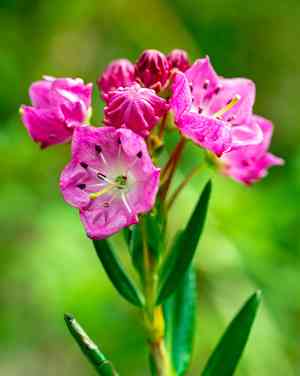
Bog-laurel (Kalmia microphylla)
Also known as: Western laurel
Bog-laurel is a toxic yet popular flowering shrub native to North American bogs. Its appealing flowers and compact height, usually around 20 cm, make it a favored addition to home gardens. However, both humans and animals should exercise caution around this plant due to its high toxicity.
In This Article
Attributes of Bog-laurel
Lifespan
Perennial
Plant Type
Shrub
Plant Height
15 cm to 46 cm
Spread
60 cm to 1.2 m
Leaf Color
Dark green
Flower Size
1.3 cm to 2 cm
Flower Color
Pink Purple
Images of Bog-laurel
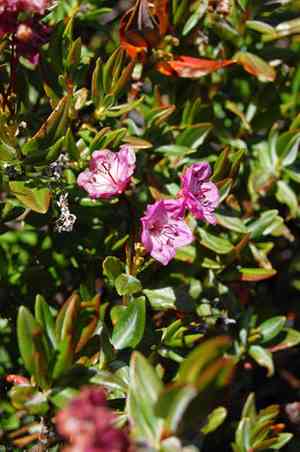
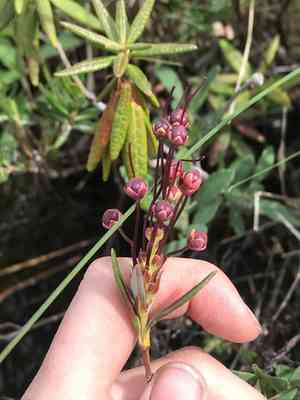
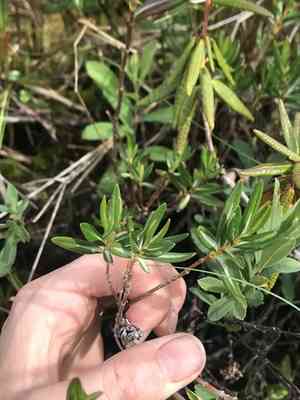
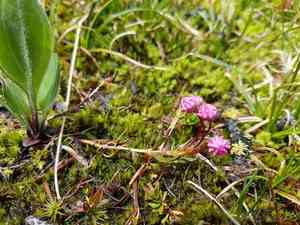
Quickly Identify Bog-laurel
1
Kalmia microphylla can be identified by its small, leathery, dark green leaves and pink to rosy flowers that appear in clusters. The plant typically forms low, compact mounds.
Scientific Classification of Bog-laurel
Phylum
Vascular plants
Class
Dicotyledons
Order
Ericales
Family
Heath
Genus
sheep laurel
Species
Bog-laurel
Planting and Growing of Bog-laurel
Care Difficulty
Easy
Watering Schedule
Every 3 days
Sunlight Requirements
Partial sun
Sunshine Duration
6-10 hours
Ideal Temperature
50-68℉
Soil Type
Potting Mix, Peat Mix
Soil pH
4.5-6
Fertilizer Type
Balanced
Pruning Season
Spring, Summer
Pruning Area
Branches, Leaves
Pruning Frequency
2 times a year
Repotting Season
Spring
Pot Type
Plastic, Ceramic
 How to Water Bog-laurel?
For Kalmia microphylla, it's important to ensure the soil remains consistently moist but not soggy. Ideally, water until about 250 ml per plant, ensuring that the soil is thoroughly moistened without being waterlogged. Water deeply enough to allow the moisture to reach the root zone, ensuring the plant has access to sufficient hydration.
What are the symptoms of an underwatered Bog-laurel?
›
What should I do if my Bog-laurel is not getting enough water?
›
What are the symptoms of an overwatered Bog-laurel?
›
How to save an overwatered Bog-laurel?
›
 What Are the Sunlight Requirements for Bog-laurel?
This plant thrives in partial sun, receiving about 4 to 6 hours of gentle sunlight. Proper light conditions promote healthy growth and flower production.
Optimal Light Conditions for Growth
›
Solutions to Achieve Ideal Light
›
Benefits of Ideal Lighting
›
 What Is the Ideal Temperature Range for Bog-laurel?
Kalmia microphylla thrives best in a temperature range between 50°F to 68°F. This range provides adequate warmth for promoting photosynthesis and maintaining healthy growth without stressing the plant.
 What Soil is Best for Bog-laurel?
Kalmia microphylla thrives in well-drained loamy soil that prevents water accumulation around the roots. This helps prevent root rot and allows the plant to access essential nutrients more efficiently. The presence of organic material is vital for Kalmia microphylla as it provides necessary nutrients and maintains moisture. Compost or peat can enhance soil richness, promoting robust growth. Maintaining moisture in the soil supports the lush development of Kalmia microphylla. This can be achieved through mulching, which conserves moisture while also mitigating temperature fluctuations.
 How to Fertilize Bog-laurel?
Kalmia microphylla, also known as alpine laurel, requires a delicate balance when it comes to fertilization. A light hand with fertilizers is crucial, as the plant thrives in nutrient-poor environments. Using too much can harm its growth. A tablespoon of balanced liquid fertilizer diluted to 1/4 strength should be sufficient when applied during its growing season.
 How to Prune Bog-laurel?
Pruning dead or diseased branches is crucial for Kalmia microphylla. Start by identifying brown, brittle branches and use clean, sharp shears to remove them close to the base. This encourages healthy growth and prevents disease spread. To shape your Kalmia microphylla, focus on maintaining a natural form. Trim extraneous growth by snipping back overly long branches to a point just above a healthy set of leaves. This keeps the plant bushy and attractive.
More About Pruning Techniques→
 How to Propagate Bog-laurel plant?
1
Start by collecting seeds from mature Kalmia microphylla plants. Sow them in a seed tray filled with moistened seed-starting mix. Cover lightly with soil and maintain a consistent moisture level, ensuring the seeds are kept in a warm environment around 20°C.
2
Select healthy, semi-hardwood cuttings about 4-6 inches long. Strip the lower leaves and dip the bottom of the cutting in rooting hormone. Plant them in a well-draining potting mix and keep them in a humid environment until roots develop.
3
Dig up the entire plant during early spring when the plant is still dormant. Gently separate the root ball into sections, ensuring each has at least a few healthy shoots. Replant each section in well-prepared soil, watering thoroughly after planting.
 How to Repot Bog-laurel plant?
1
Kalmia microphylla shows it needs repotting when its roots start escaping from the drainage holes, or when the plant's growth noticeably slows down. Spring and autumn are ideal times, as the moderate temperatures encourage root establishment without stress.
2
Select a pot that is only one size larger than the current one to prevent overwatering. The material should allow breathability, like clay, which helps avoid root rot while offering room for root expansion. This balance aids in maintaining a healthy plant environment.
3
Opt for an acidic, well-draining soil mix, akin to those used for rhododendrons and azaleas. This type of soil replicates the plant’s natural setting and supports optimal nutrient uptake, promoting lush foliage and vibrant blooms.
Toxicity
Ingestion
WARNING
The judgment on toxicity and danger is for reference only. We DO NOT GUARANTEE any accuracy of such judgment. Therefore, you SHALL NOT rely on such judgment. It is IMPORTANT TO SEEK PROFESSIONAL ADVICE in advance when necessary.



