How to Prune Bog-laurel?
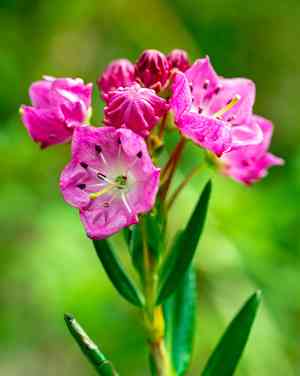
A compact, perennial woody plant, bog-laurel flourishes in moist habitats, displaying groupings of rosy blossoms. Trimming ought to occur in the colder months while the plant is inactive, to preserve its form and stimulate more vigorous flowering. Eliminate any lifeless or ailing limbs and reduce crowded sections to enhance air movement. This measure aids in averting fungal infections and fosters abundant blooming. Yearly trimming guarantees bog-laurel stays lively and properly maintained, boosting both the garden's visual appeal and the plant's vigor.
What Are the Benefits of Pruning Bog-laurel?
What Are the Benefits of Pruning Bog-laurel?
Trimming bog-laurel promotes strong development and keeps its dense form. Regular cutting eliminates old, overgrown limbs, fostering healthier, more robust foliage and stems. This controlled shape enhances bog-laurel's aesthetic appeal in garden settings.
What Is the Best Time for Pruning Bog-laurel?
What Is the Best Time for Pruning Bog-laurel?
Pruning bog-laurel during winter is considered ideal because the plant is in its dormant state. This timing prevents stress and minimizes the risk of disease and pest infestation, which are more likely if pruned during active growth. Additionally, winter pruning allows for better visibility of the plant's structure due to leaf absence, facilitating more accurate and effective trimming. This helps promote vigorous spring growth, as the plant can direct energy to new growth after dormancy.
What Tools Do I Need to Prune Bog-laurel?
Bypass Pruners
Perfect for making clean, precise cuts on small to medium-sized branches of bog-laurel. Their design allows for healthier cuts that aid in better healing.
Pruning Saw
Suitable for removing thicker, more mature branches that bypass pruners cannot handle. This ensures larger cuts are smooth and minimize damage to bog-laurel.
Hand Shears
Effective for shaping and controlling the size of bog-laurel, especially for trimming back softer, smaller foliage with precision.
How to Prune Bog-laurel
Identify
Locate the withered leaves, dead branches, and diseased branches on bog-laurel. These parts typically appear discolored, shriveled, or visibly damaged.
Sanitize
Before starting the pruning process, clean your pruning tools. This prevents the spread of diseases from infected plant parts to healthy areas of bog-laurel.
Cut
Carefully remove withered leaves by cutting at their base. For dead and diseased branches, make cuts at a slight angle just above a healthy node or bud to encourage new growth. Ensure each cut is clean and precise to avoid damaging bog-laurel
Dispose
Properly discard the removed parts such as withered leaves, dead branches, and any diseased material. Do not compost diseased material as it might contaminate the compost.
Check
After pruning, inspect the overall health and structure of bog-laurel to ensure it maintains its natural shape and that no diseased parts have been overlooked. Repeat pruning if necessary.
Common Pruning Mistakes with Bog-laurel
Overpruning
A frequent error is removing too much growth in one pruning session, which can stress bog-laurel and lead to reduced vigor and fewer blooms.
Improper cut locations
Cutting too far from a bud or not making clean, angled cuts can harm bog-laurel by promoting disease entry and poor growth patterns.
Neglecting tool hygiene
Using dirty or dull tools can spread pathogens and damage the tissue of bog-laurel, hindering healthy recovery.
Common Pruning Tips for Bog-laurel
Timing selection
Choosing the correct moments during the life cycle of bog-laurel for pruning is vital for promoting flowering and maintaining a compact form.
Selective pruning
Focus on removing only dead, diseased, or overgrown branches to help maintain the natural shape of bog-laurel and encourage healthier, more abundant blooms.
Tool preparation
Always use sharp, clean pruning shears. Disinfect tools before and after use to prevent the spread of diseases in your garden.



