How to Propagate Bog-laurel?
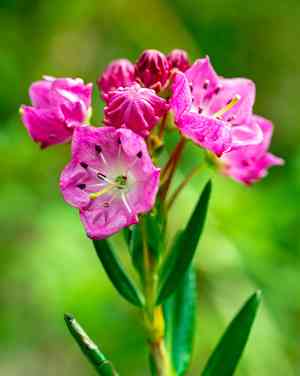
Kalmia polifolia, a member of the Ericaceae family, flourishes in damp, acidic substrates characteristic of marshy environments. For reproduction, semi-lignified cuttings prove most successful. Verify that cuttings originate from robust, uninfected specimens. Employ a rooting stimulant to boost root formation and cultivate in a porous substrate within a high-humidity setting. Steady hydration and filtered light will aid the rooting procedure.
Optimal Period for Bog-laurel Propagation
Propagation Method
Cutting
Propagation Period
Spring,Summer
Tools Required for Bog-laurel Propagation
Sharp Pruning Shears
These are vital for obtaining cuttings from bog-laurel. Keen blades guarantee clean cuts, minimizing harm to the parent plant and boosting the likelihood of successful rooting. Precise cutting helps maintain the health of the cut areas, lowering disease risk.
Rooting Hormone
This compound encourages root formation from bog-laurel cuttings. It aids in accelerating root development, which is essential for the successful establishment of new plants. Rooting hormones can significantly increase propagation success, especially for slow-rooting species.
Sterile Potting Mix
A clean medium offers a pristine and regulated setting for the cuttings, preventing fungal and bacterial infections. This substrate supports the delicate new roots of bog-laurel as they grow, ensuring they don't compete with common weeds or pathogens in non-sterile soils.
Humidity Dome
Maintaining elevated humidity levels around bog-laurel cuttings is crucial to prevent moisture loss while they lack a developed root system. A humidity dome helps retain atmospheric moisture, encouraging cuttings to root without dehydrating.
Heat Mat
This device provides gentle warmth to the base of the propagation medium, which can enhance root growth in bog-laurel. Consistent, moderate heat can improve the speed and success rate of rooting, particularly important in cooler environments where root development might otherwise be slow.
How to Propagate Bog-laurel?
Propagation Difficulty
Moderately Difficult
Post-Propagation Care for Bog-laurel
Post-Propagation Care for Bog-laurel
Once rooted, gradually introduce young bog-laurel plants to typical outdoor conditions over several weeks. Transplant them to a permanent spot with acidic, well-draining soil and partial shade. Water regularly to keep the soil consistently moist, especially during dry spells, and apply an acid-forming fertilizer to support healthy growth and vibrant blooms.
Common Errors to Avoid When Propagating Bog-laurel
Incorrect cutting selection
Utilizing non-viable or unhealthy bog-laurel segments for cuttings can lead to poor root development or complete rooting failure. Cuttings should be robust and free from any signs of stress, disease, or pests.
Excessive watering
Although bog-laurel thrives in marshy conditions, overwatering during propagation can cause issues like root rot. It's vital to maintain moisture without creating overly saturated conditions.
Over-fertilization
Applying too much fertilizer can harm delicate new roots, hindering the growth of bog-laurel. Young plants are particularly vulnerable to damage from high nutrient concentrations.
Advice for Propagating Bog-laurel
Use of rooting hormone
Applying a rooting hormone to bog-laurel cuttings can significantly boost rooting success rates, promoting healthier and more vigorous root development.
Humidity maintenance
Creating a humid environment around newly planted bog-laurel cuttings can prevent excessive moisture loss, which is crucial for their root establishment and overall growth.
Proper cutting handling
Ensuring that bog-laurel cuttings are taken with sterile tools and handled gently can prevent the introduction of diseases, fostering a healthier propagation environment.



