How to Transplant Squirrel's tail?
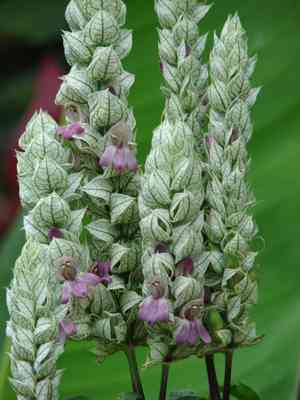
The ideal period for relocating squirrel's tail is as spring flowers give way to the mildness of early summer. Select a location offering dappled light and sufficient hydration. Carefully introduce squirrel's tail to its new environment for best development.
Essential Preparations Before Relocating Squirrel's Tail
Optimal Timing for Moving Squirrel's Tail?
The best time to move squirrel's tail is during the gentle warmth of late spring transitioning into the vibrant days of early summer. This period allows squirrel's tail a smooth shift from growth to establishment, with rising temperatures and extended daylight hours fostering robust root development. Transplanting squirrel's tail within this timeframe ensures you leverage the season's prime growing conditions, setting the stage for a lush, healthy display.
Recommended Spacing Between Squirrel's Tail Plants?
When preparing a new home for squirrel's tail, aim for comfortable yet ample space. Position them 18-24 inches (45-60 cm) apart. This provides each plant sufficient room to thrive without competing for resources with its neighbors.
Ideal Soil Blend for Squirrel's Tail Transplantation?
For squirrel's tail, envision creating a cozy resting place. Select well-draining soil and enrich it with a balanced fertilizer, such as a 10-10-10 mixture. It's like plumping the cushions for your squirrel's tail to settle in comfortably.
Preferred Location for Your Squirrel's Tail?
Your squirrel's tail enjoys soaking in gentle sunlight. Locate a spot where sunlight filters through, offering partial shade but still ample brightness, to ensure your squirrel's tail feels content and flourishes beautifully.
Tools Required Before Transplanting Squirrel's Tail?
Gardening Gloves
To safeguard your hands while handling soil and plants.
Shovel or Spade
For excavating the plant from its original spot and preparing the new planting hole.
Hand Trowel
Useful for detailed work or smaller plant specimens.
Watering Can or Hose with a Gentle Spray
To hydrate the plant before and after the transplanting process.
Pruning Shears
For trimming any damaged or excessively long root structures.
Wheelbarrow or Garden Cart
For transporting the plant and soil amendments efficiently.
Organic Mulch
To aid in moisture retention and suppress weed growth around the newly planted area.
How to Extract Squirrel's Tail from the Soil?
How to Extract Squirrel's Tail from the Soil?
From Ground: First, moisten the squirrel's tail plant to dampen the soil. Next, dig a wide trench around the plant using a shovel or spade, ensuring the root ball remains intact. Carefully work the spade beneath the root ball to lift the plant from its initial location.From Pot: Water the squirrel's tail plant in its container to ensure the soil is moist, which will aid in root ball removal. Turn the pot sideways and gently tap the sides to loosen the plant from its container. Grasp the base of the plant and carefully ease it out, preserving the root ball's structure.From Seedling Tray: Water the seedlings to facilitate easier removal. Use a hand trowel or appropriate tool to gently lift the seedling without excessively disturbing the roots. Ensure a good amount of soil remains around the root to protect it during transplant.
Step-by-Step Guide for Transplanting Squirrel's Tail
Preparation
Ensure all necessary tools are accessible and the new planting site is prepared.
Removal
Carefully extract the squirrel's tail plant from its original spot as outlined in the 'removal process'. Handle gently to minimize root disturbance.
Hole Preparation
Dig a hole in the ground that is twice as wide and the same depth as the squirrel's tail plant's root ball to comfortably accommodate its root system.
Placement
Position the squirrel's tail plant in the center of the new hole. Adjust the depth by adding or removing soil until the plant sits at the same level it was previously growing.
Refilling
Gently backfill around the root ball with soil, lightly patting it down to eliminate large air pockets.
Watering
Thoroughly water the squirrel's tail plant after transplanting to settle the soil around the roots and help alleviate transplant shock.
Mulching
Apply a layer of organic mulch around the plant's base, avoiding direct contact with the stems, to retain moisture and regulate soil temperature.
Post-Transplant Care for Squirrel's Tail
Monitoring
Observe your squirrel's tail plant for any indications of stress, such as wilting or discolored foliage.
Consistent Watering
Maintain steady moisture levels in the soil, ensuring it is hydrated but not waterlogged.
Mulching
Periodically check the mulch and replenish as needed to sustain moisture levels and deter weed growth.
Pruning
Remove any dead or damaged leaves to encourage healthy growth and improve air circulation.
Supporting
If the squirrel's tail plant is tall or tends to droop, consider providing stakes or other supports to maintain its upright posture.
Resolving Common Issues with Squirrel's Tail Transplantation.
When is the best time to transplant squirrel's tail?
Choose a mild period between late spring and early summer for successful transplantation.
Why is my squirrel's tail wilting after transplanting?
Wilting can be due to transplant shock. Ensure careful handling and adequate watering to aid recovery.
What's the ideal distance between squirrel's tail when transplanting?
Space squirrel's tail approximately 18-24 inches (45-60 cm) apart to allow ample room for growth.
How deep should I plant squirrel's tail during transplant?
Plant squirrel's tail at the same depth it was previously growing to prevent stress and promote stability.
Can I transplant squirrel's tail during a hot day?
It's best to transplant squirrel's tail on a cooler, overcast day to minimize stress and prevent wilting.
How much should I water squirrel's tail after transplanting?
Water squirrel's tail thoroughly after transplanting to settle the soil around the roots and encourage establishment.
What soil condition is best for transplanting squirrel's tail?
Squirrel's tail prefers well-draining soil rich in organic matter; prepare the soil in advance for optimal results.
How can I protect my transplanted squirrel's tail from direct sunlight?
Use a shade cloth or temporary screen to shield squirrel's tail from intense direct sunlight initially.
Why are the leaves of squirrel's tail turning yellow after transplant?
Yellowing may result from overwatering or nutrient deficiency. Ensure proper moisture and fertilize if necessary.
Should I prune squirrel's tail before or after transplanting?
Lightly prune squirrel's tail before transplanting to reduce transplant shock and stimulate new growth.



