How to Propagate Squirrel's tail?
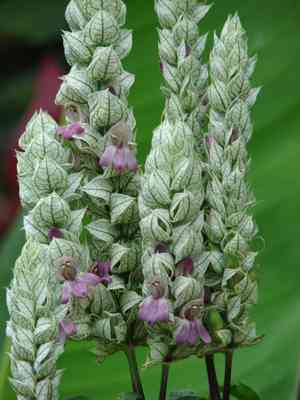
Squirrel's tail readily multiplies through stem sections. Select robust, non-blooming stalks and sever pieces approximately 4-6 inches in length, ensuring each segment possesses several leaves or leaf junctions. Remove the bottom foliage and immerse the severed tip in rooting compound to stimulate development. Insert the cuttings into a potting blend that drains effectively, and sustain steady dampness without saturating. Supplying ample, diffused illumination will aid root formation. After rooting, the specimen can be relocated to its permanent spot.
Optimal Period for Squirrel's Tail Propagation
Propagation Type
Cutting
Propagation Season
Spring,Summer
Tools for Squirrel's Tail Propagation
Sharp Pruning Shears
Pruning shears are vital for obtaining clean, precise cuttings from squirrel's tail. A sharp blade ensures a smooth cut, preventing stem tissue crushing or damage. This accuracy is crucial for minimizing infection risk and boosting rooting success.
Rooting Hormone Powder or Gel
Rooting hormone is applied to the cut stem end to encourage root growth and improve propagation success. For squirrel's tail, using a rooting hormone can greatly enhance root formation, providing a stronger base for new growth, especially given its semi-woody stem structure.
Sterile Potting Mix
A well-draining, sterile potting mix offers an ideal environment for squirrel's tail cuttings to root. Sterility ensures no pathogens cause disease, while good drainage prevents excess moisture, reducing root rot during the delicate rooting phase.
Propagation Tray or Pots
Trays or small pots are used to plant squirrel's tail stem cuttings. These containers should provide ample space for root system development and have adequate drainage to prevent water accumulation.
Plastic Cover or Mini Greenhouse
A plastic cover or mini greenhouse helps maintain high humidity around squirrel's tail cuttings, which is crucial during rooting. This setup creates a microclimate that keeps cuttings moist and warm, enhancing rooting and improving survival rates.
Misting Bottle
A misting bottle is useful for gently watering squirrel's tail cuttings. Regular misting maintains soil moisture and humidity without disturbing newly developing roots, which is vital for the sensitive initial stage of root development.
How to Propagate Squirrel's Tail?
Propagation Type
Easy
Caring for Your Newly Propagated Squirrel's Tail
Caring for Your Newly Propagated Squirrel's Tail?
Once roots are established, gradually introduce squirrel's tail to its typical growing conditions. Maintain moderate humidity and water when the top inch of soil feels dry. Squirrel's tail prefers bright, indirect light and benefits from regular feeding with a balanced, water-soluble fertilizer during the growing season. Avoid direct sunlight and over-watering to prevent leaf burn and root rot, ensuring healthy growth.
Common Mistakes to Avoid When Propagating Squirrel's Tail
Overwatering
Excessive watering of squirrel's tail can lead to root rot, a condition that degrades roots, preventing nutrient and water absorption, ultimately harming the plant's overall health and reducing propagation success.
Poor cutting selection
Using weak or diseased squirrel's tail cuttings can result in poor root development. Healthy cuttings are crucial as they determine the initial health and vigor of newly propagated plants.
Inadequate light
Placing squirrel's tail cuttings or divisions in areas with insufficient light can lead to weak growth and leaf discoloration, hindering the plant's development and reducing the chances of successful propagation.
Tips For Propagating Squirrel's Tail
Sterile tools
Using sterilized tools for taking cuttings or dividing squirrel's tail prevents disease transmission and ensures cutting health, enhancing successful rooting and growth.
Rooting hormone
Applying rooting hormone to the cut ends of squirrel's tail cuttings can significantly boost rooting success by stimulating root growth, thus increasing the likelihood of establishment in new plants.
Appropriate moisture
Maintaining consistent and appropriate moisture levels for squirrel's tail cuttings or divisions is crucial, as it supports new root formation without causing waterlogging. This balance promotes healthy root development, essential for successful propagation.



